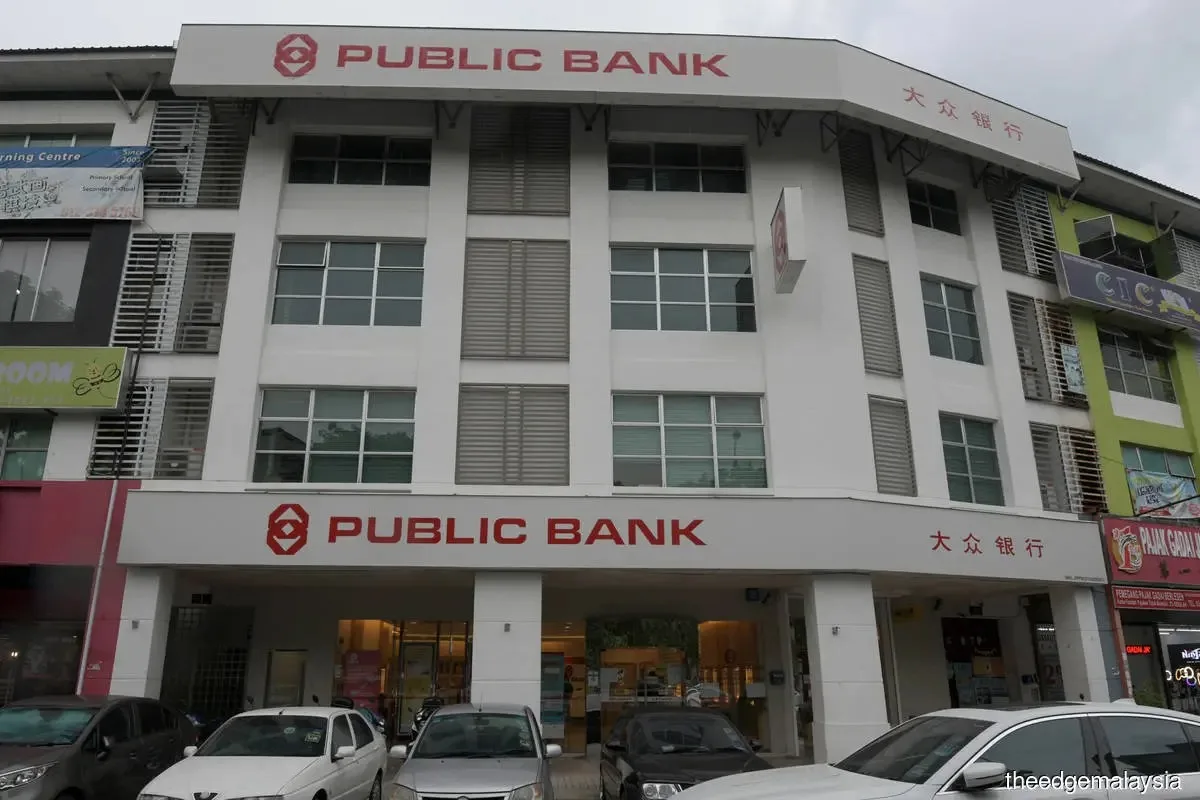
Public Bank Bhd unveiled a plan to return RM3.5 billion in capital to shareholders over the next three years through special dividends starting this year [1, 2, 3, 4]. The bank expects to pay about 5.9 sen per share annually as a special dividend, translating to approximately a 1.2% yield on top of its existing 60% ordinary payout ratio [1, 2, 3, 4].
The payout will be distributed progressively over three years, subject to regulatory approval [1, 2, 3, 4]. This capital return plan follows upcoming Basel III regulatory changes due to take effect in July 2026, which are expected to free around 100 basis points of excess capital for the bank [1, 2, 3, 4].
Public Bank reported a net profit of RM1.75 billion for the quarter ended March 31, 2026, up 0.4% year-on-year [1, 2]. Net interest income rose slightly to about RM2.82 billion, while non-interest income increased 4% to roughly RM825.9 million in the same period [1, 2]. Analysts noted the bank's flat earnings were in line with expectations, citing a cost-to-income ratio of 35.5% due partly to a 5% rise in personnel costs [1, 2].
The bank’s return on equity (ROE) is projected to improve from fiscal 2026 to 2028 as the capital optimisation plan is implemented [1, 2, 3, 4]. Data from Bloomberg tracking 21 research firms shows strong analyst support, with 16 buy ratings, 5 hold ratings, and no sell recommendations for Public Bank shares [1, 2]. Kenanga Investment Bank rates the stock as "outperform" and recently raised its target price to RM5.95 [1]. CIMB Investment Bank maintains a buy rating with a target of RM5.50, stating "PBB's premium is underpinned by its defensiveness, supported by strong capital and provisioning buffers while sustaining its industry-leading return on equity" [1].
Public Bank announced the capital return shortly after releasing its first-quarter results on May 15, 2026 [1, 3, 4]. Basel III changes are scheduled to take effect in July 2026, freeing additional capital for the bank to begin the special dividend distribution [1, 2, 3, 4].