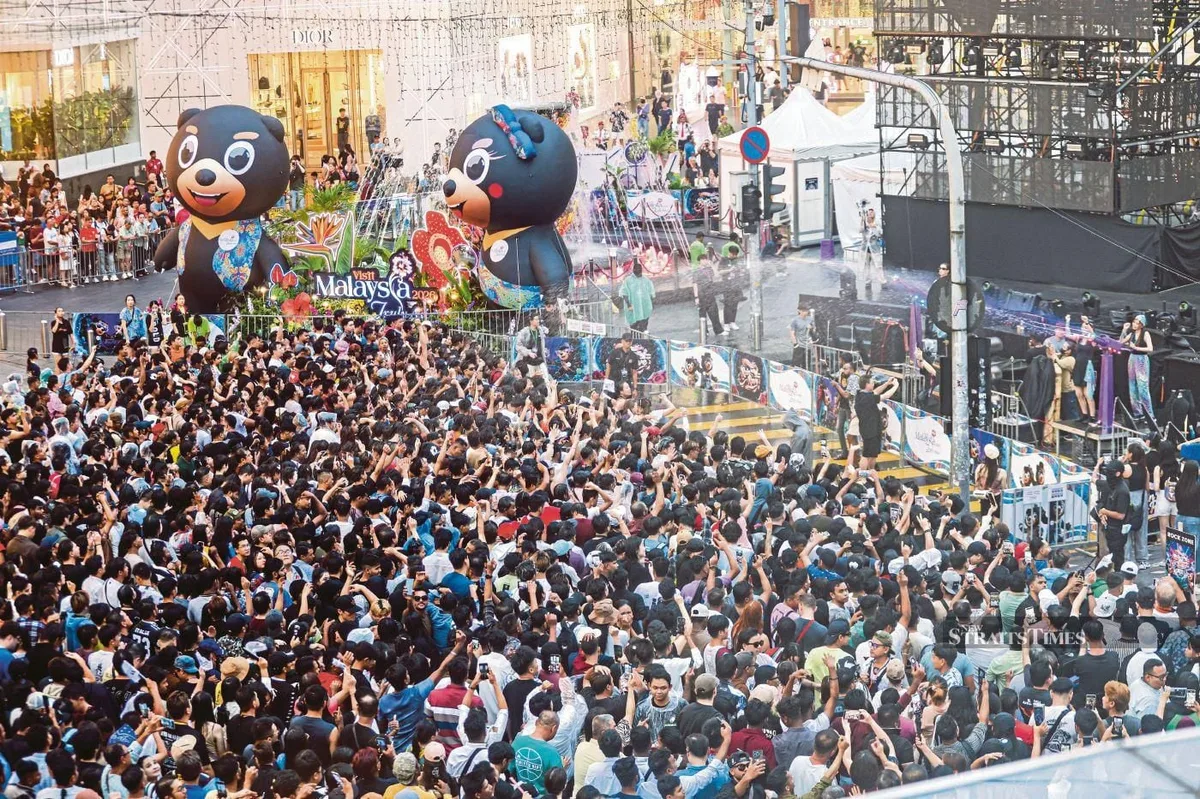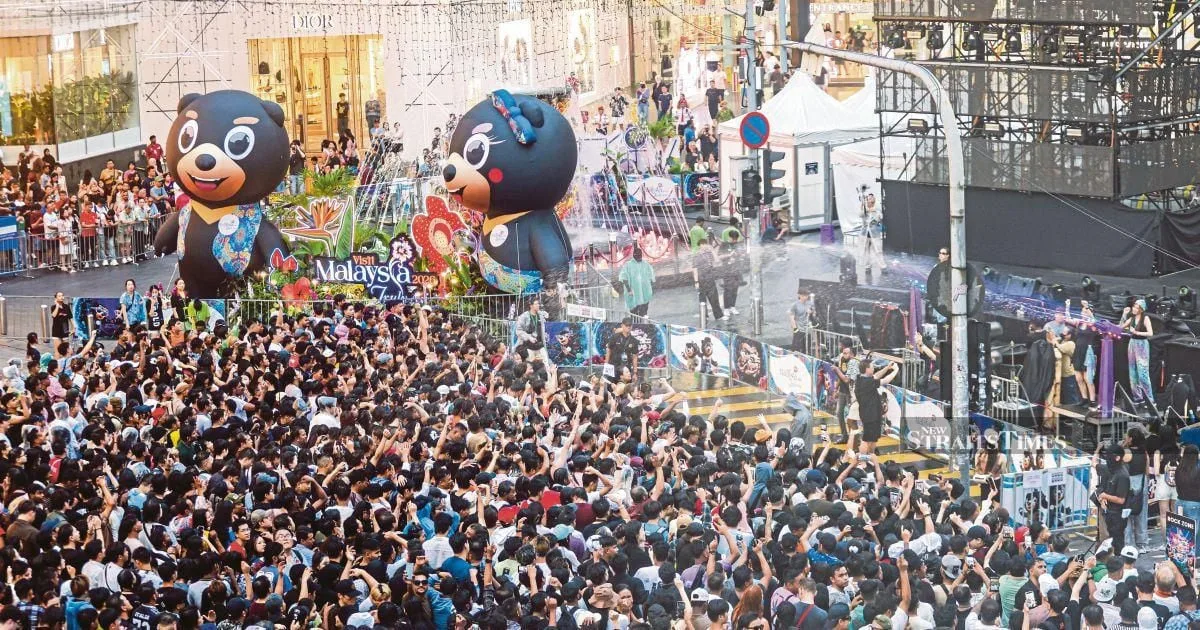
The Rain Rave Water Music Festival 2026 attracted approximately 415,000 visitors across six Malaysian states, including about 150,000 domestic visitors and 100,000 foreign tourists from countries such as China, Japan, India, South Korea, Thailand, Singapore, Indonesia, and Vietnam [1, 2, 3, 4, 5]. The six states hosting the event were Terengganu, Melaka, Negeri Sembilan, Johor, Labuan, and Langkawi according to multiple sources, although one alternative source reported seven states including Kedah and Pahang [1, 2, 3, 4, 5, 6].
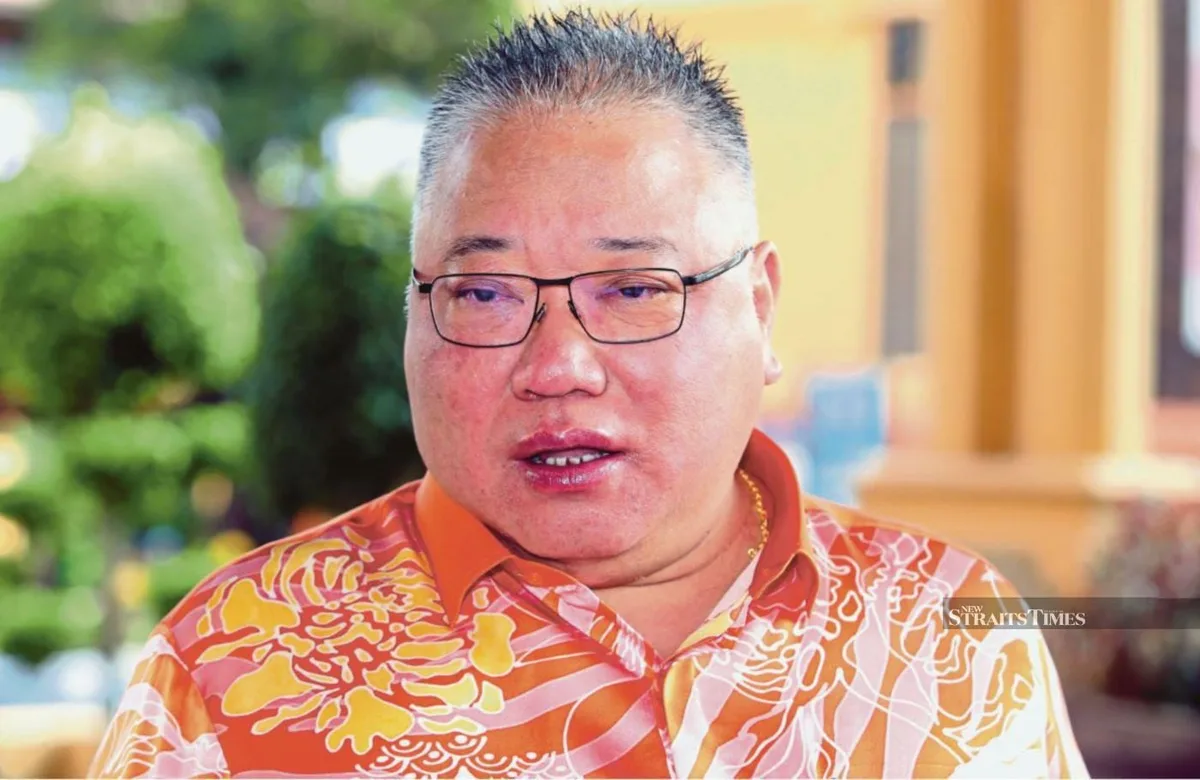
The flagship event held at Bukit Bintang in Kuala Lumpur generated an estimated RM320.43 million in economic returns, contributing a major share of the total RM392.33 million returned to Malaysia’s economy from the overall festival program [1, 2, 3, 4, 5]. The total cost to organise the festival was RM15 million, funded by RM11 million from the government and RM4 million from private sector contributions [1, 2, 3, 4, 5]. Tourism Minister Datuk Seri Tiong King Sing said every RM1 spent by the government generated an estimated RM36 in economic returns [1].
The festival was free to the public, despite the potential to generate up to RM75 million in ticket revenue by charging RM300 per entry. The government decided to waive admission fees as a gesture of appreciation and to promote Visit Malaysia 2026, said the minister [2, 3, 5]. Local businesses saw significant benefits, with a 40% increase in visitor traffic and 25% rise in sales reported at Lot 10 Bukit Bintang, and visitor numbers at nearby Sungei Wang Plaza increasing by 31.3% [2, 3]. The festival featured 63 food stalls and 15 handicraft vendors, with one Kelantan food vendor earning RM4,800 on the first day [2, 3].
Cultural programming included Malaysian traditional music, cultural fashion shows, traditional games, and heritage food involving local artistes [1]. The event had strong private sector support from shopping centres, hotels, transport operators, and international brands [4, 5]. Media coverage included 41 international journalists producing nearly 10,000 reports and digital content pieces, with publicity valued at RM77.5 million and 1.9 billion social media exposures [4].
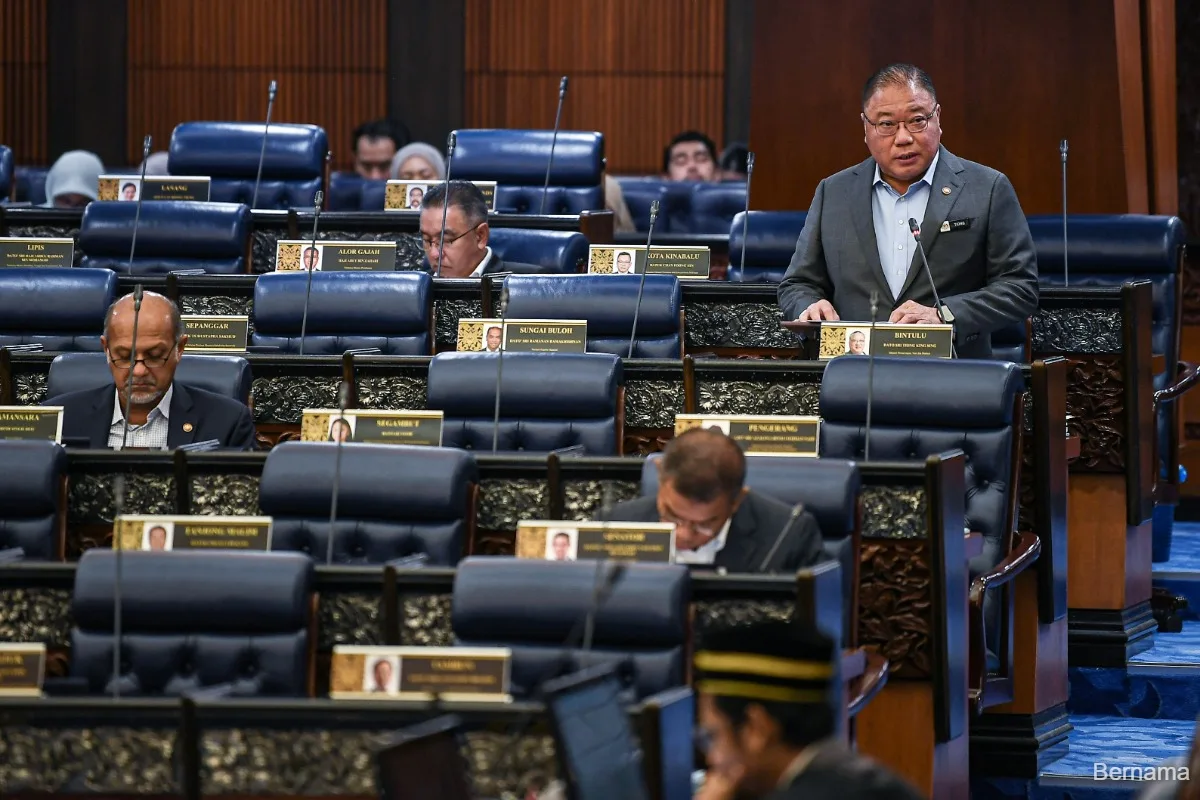
Malaysia saw 17.5 million visitor arrivals as of May 2026, up 3.4% from the previous year [4, 5]. The festival faced criticism from some conservative groups raising moral concerns [6, 7]. On June 23, Tourism Minister Tiong King Sing presented the economic results and responded to questions in Parliament [1, 6, 4]. On June 24, he stated the government is open to considering making the Rain Rave Water Music Festival an annual event if it benefits tourism and after a comprehensive evaluation of economic impact, traffic management, and alignment with national tourism goals [7].