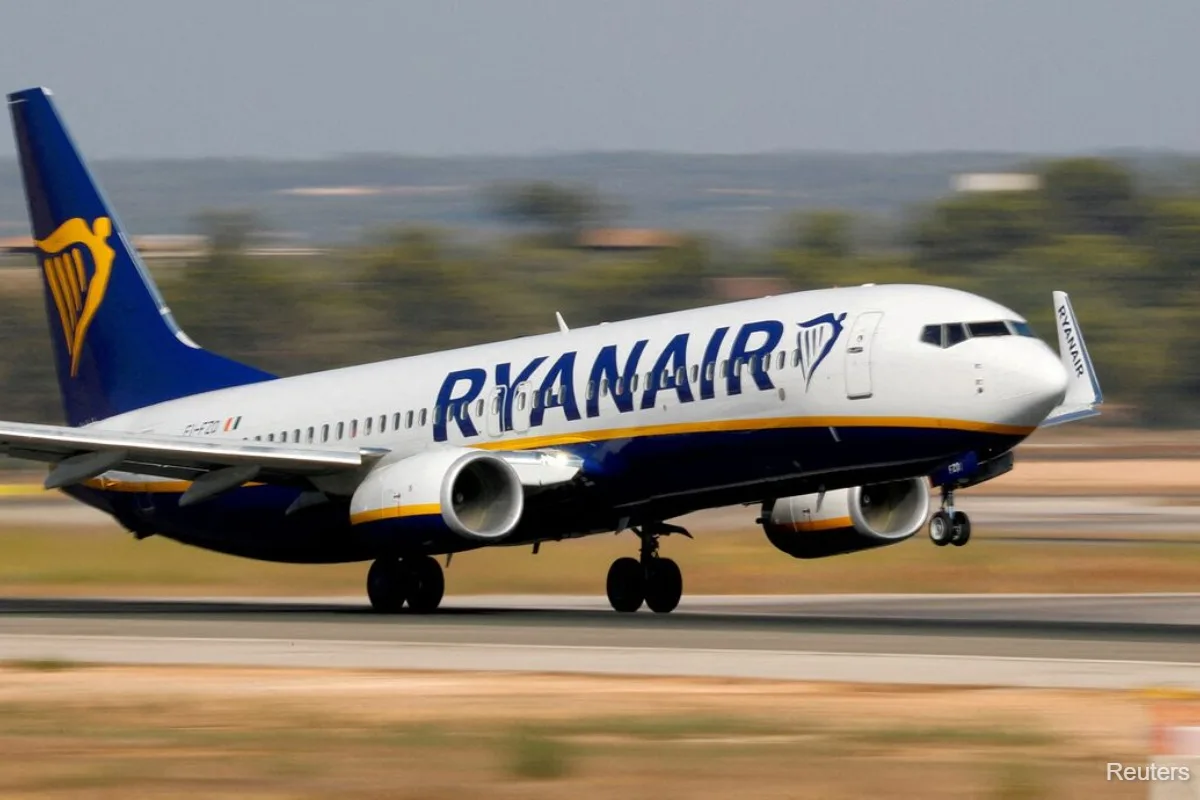
Ryanair reported an after-tax profit of 2.26 billion euros (US$2.63 billion) for the fiscal year ended March 2026, up from 1.61 billion euros the previous year and exceeding analyst forecasts [1, 2]. Michael O'Leary, Ryanair CEO, said, "We've delivered a record year, record traffic, record profits. Clearly at the moment, we are going through significant uncertainty." [1]
The company does not expect jet fuel supply disruptions in Europe this summer. Suppliers have adapted to the closure of the Strait of Hormuz by sourcing fuel from West Africa, Norway, and the Americas. Neil Sorahan, Ryanair CFO, said, "I am increasingly confident that we will not see any supply shocks this summer." [1, 2]
Ryanair has hedged about 80% of its jet fuel needs through April 2027 at roughly $67 per barrel, reducing its exposure to fuel price volatility [2]. Despite supply confidence, the airline cut its fare outlook for the peak summer travel period (July-September) 2026 to broadly flat versus last year, down from a prior forecast of a low single-digit percentage increase [1, 2].
Fares fell by a mid-single digit percentage in the three months ended June 2026 amid uncertainty around the Iran conflict and cautious consumers [2]. Demand remains strong but bookings are happening closer to travel dates, limiting visibility. "Demand is still strong, but people are leaving it longer to book so we do not have the visibility that we normally have for July to September," said Sorahan [1, 2].
Ryanair also cautioned that its financial year 2027 forecasts remain suspended due to uncertainties including fuel cost rises, growing environmental taxes, and wage inflation [2]. The company expects EU environmental taxes to increase by about €300 million in 2026 to around €1.4 billion [2].
Ryanair reported the fiscal year profit on March 31, 2026, and executives publicly stated their fuel supply confidence on May 18, 2026 [1, 2]. The airline will monitor developments closely as it approaches the peak summer season.