The number of Sumbangan Asas Rahmah (SARA) business partners across Malaysia reached 14,068 premises as of August 7, 2026, a jump from about 700 when the programme began in 2024 [1, 2, 3]. The network growth aims to bring government-targeted cash assistance closer to recipients’ communities for easier access [1, 2, 3].
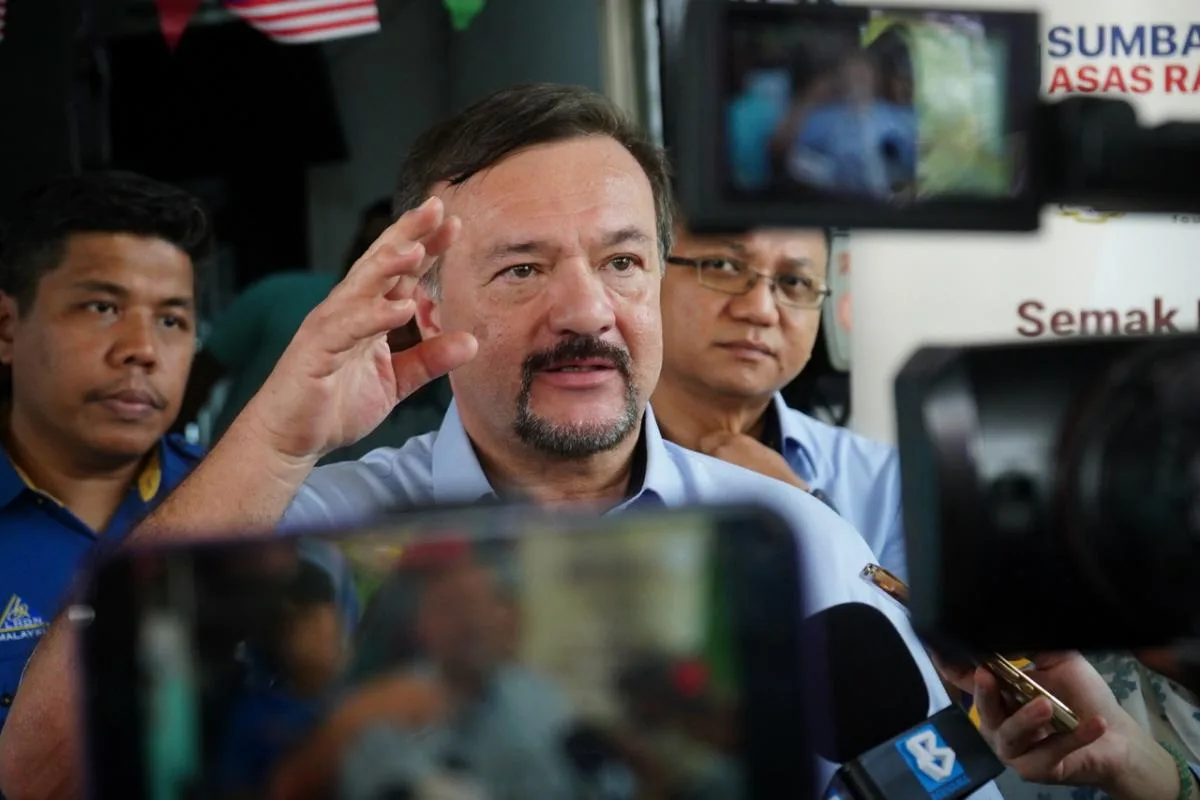
Finance Minister II Datuk Seri Amir Hamzah Azizan said, "This is the government's approach, not merely to provide assistance, but to ensure it reaches the people, can be used and brings benefits to their daily lives" [1]. He also highlighted Sabah’s high transaction rates, noting, "The high transaction rate in Sabah shows that remote locations and geographical challenges are not barriers for people to utilise the assistance credited directly to their MyKad" [2].
In Sabah, there are 1,495 SARA business premises, including 32 in Semporna and 115 in Tawau [1, 2, 3]. As of August 7, RM501.2 million from the SARA monthly allocation was spent by 815,689 recipients in Sabah [1, 2]. The "SARA For All" category recorded RM158.9 million in utilization—88% of its allocation—covering 1.8 million recipients in the state over the same period [1, 2].
The SARA system now offers over 140,000 essential items, such as groceries, personal hygiene products, and frozen foods including chicken and nuggets [1, 2, 3]. The government provides free point-of-sale (POS) systems to small retailers and village cooperatives participating in SARA, removing the need for them to buy equipment [1, 2, 3].
The combined allocation for Sumbangan Tunai Rahmah (STR) and SARA increased from RM10 billion in 2024 to RM15 billion in 2026 [1, 2]. The government plans to keep identifying rural and island areas with access challenges to ensure no recipients are left out under the SARA programme [2].
Finance Minister II Datuk Seri Amir Hamzah Azizan inspected SARA’s implementation at Pulau Bum Bum on August 15, 2026 [1, 2].