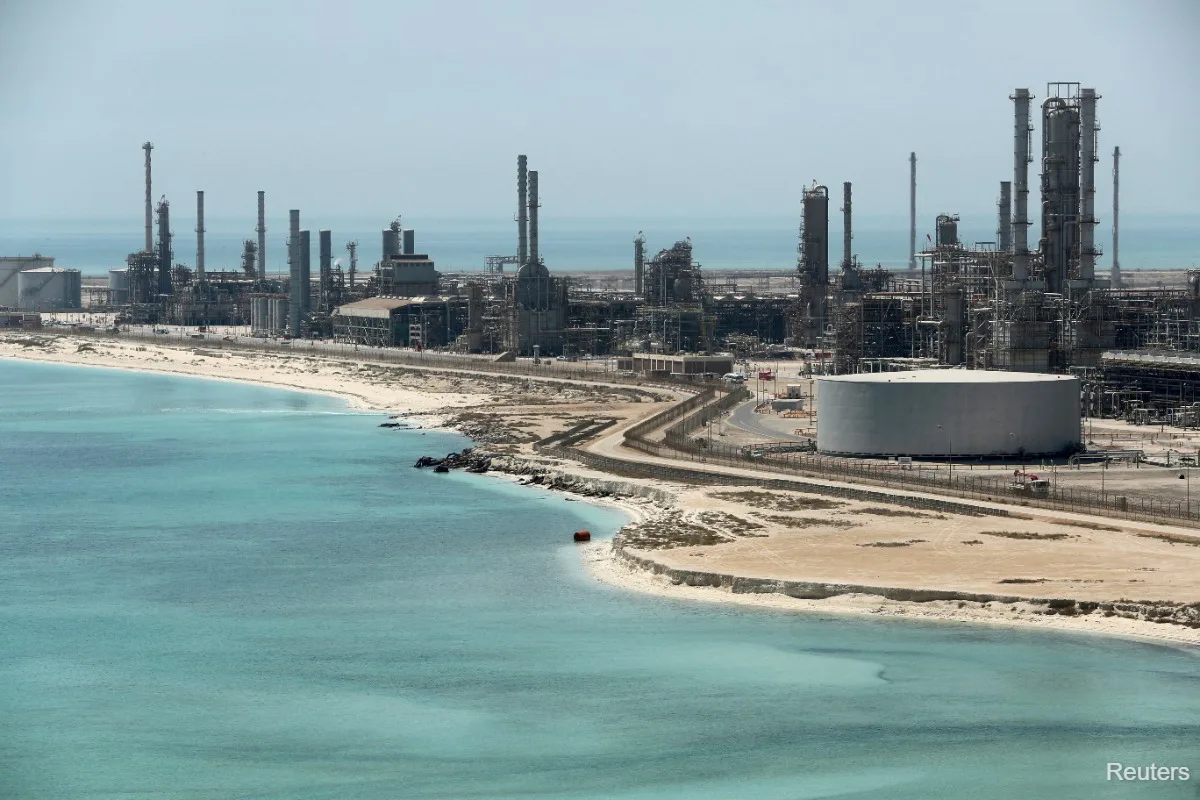
Saudi Aramco restarted crude oil loadings at its Ras Tanura port on June 26 after nearly four months of halted shipments, signaling a rebound in exports from the Persian Gulf hub [1, 2]. Since the resumption, at least five Saudi supertankers carrying around 10 million barrels have passed through the Strait of Hormuz, according to some sources, while others report four supertankers with about 8 million barrels—marking the largest oil flow from the Gulf since the Iran war truce [1, 3, 2, 4].
The increase in tanker movements follows an interim US-Iran peace deal that reopened shipping lanes through the Strait, leading to higher maritime traffic. Some Saudi tankers use a US-controlled corridor in Omani waters, while others sail closer to Iran’s coast [3, 5, 4].
To accelerate sales amid growing competition, Saudi Aramco shifted from mostly long-term contracts to spot sales for crude oil to Asian buyers. The company offered about 6 million barrels of July-loading crude on a spot basis to regular customers in Asia [1, 3, 2, 4]. Two very large crude carriers (VLCCs) are heading to Japan, and two to China, including deliveries to Sinochem’s Quanzhou refinery and Shenghong Petrochemical’s Lianyungang port [1, 2]. An anonymous trade source said the pricing was “very attractive for Chinese buyers” [1].
Saudi crude exports from Persian Gulf ports, including Ras Tanura and Yanbu, averaged 6.3 million barrels per day in the week through July 2. This matched the 2025 average and was nearly 90% of February’s pre-war levels, showing a swift recovery. Export volumes jumped from about 4.45 million barrels per day in June, based on tanker tracking data [5].
The increased supply weighed on prices. Brent crude fell from around $120 per barrel in March to about $70 per barrel amid the peace deal and sharp rise in spot sales [1, 2]. Saudi Aramco set official selling prices for July cargoes to Asia at premiums of $6 to $10 per barrel but traders expect substantial cuts for August [1, 2].
The growing export activity at Ras Tanura and elevated seaborne shipments through Hormuz will be closely watched in the coming weeks as Saudi Aramco prepares further sales and adjusts pricing strategies in the competitive Asian market.