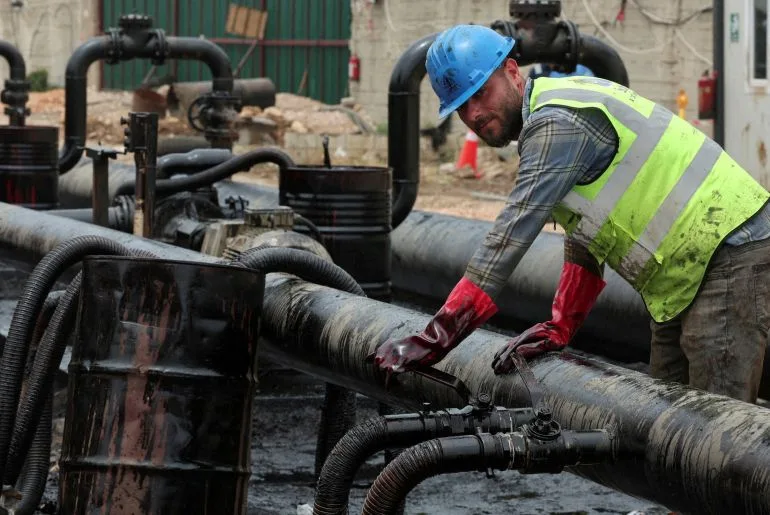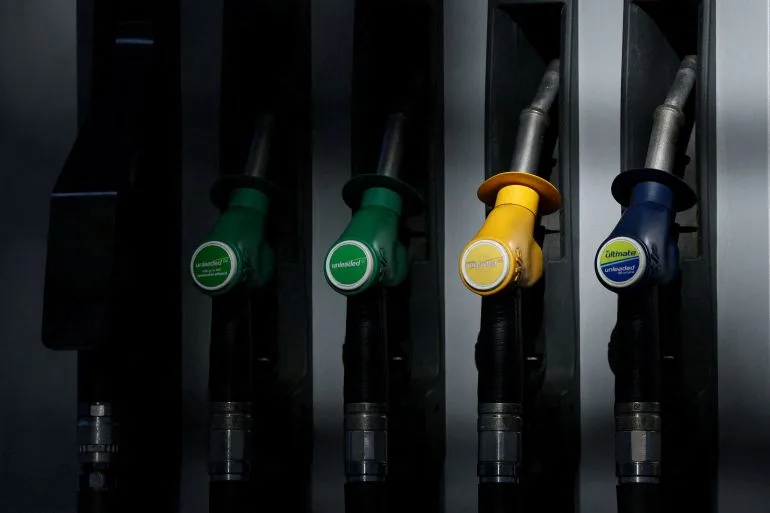
Saudi Aramco posted adjusted net income of approximately $33.4 billion for the second quarter of 2026, marking a 33% to 44% increase compared to about $25.2 billion a year earlier [1, 2, 3, 4, 5]. The surge in profits was driven by the US-Iran war, which severely disrupted oil supply through the Strait of Hormuz, pushing Brent crude prices in the quarter to nearly $97 per barrel on average [1, 3, 6].
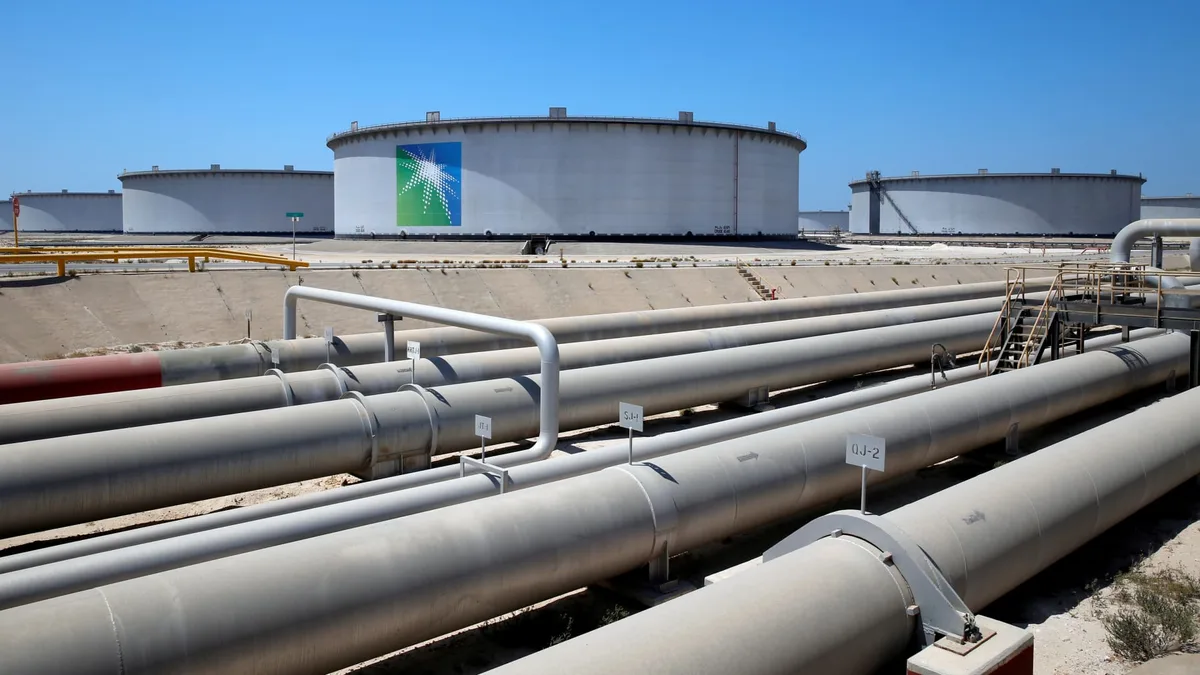
The conflict forced Aramco to reroute exports via its East-West pipeline to Red Sea ports, partially offsetting the blockade's impact on shipments [1, 3, 4, 5]. Aramco also benefited from higher prices for refined products such as diesel and jet fuel, whose increases outpaced crude oil price gains [1, 3].
Saudi oil production dropped sharply from 10.1 million barrels per day in January 2026 to 6 million bpd in early April but partially recovered to 7.1 million bpd by June [4]. Despite the volatility, Aramco's CEO Amin H. Nasser said the company demonstrated resilience. "Despite the unprecedented supply disruption through the Strait of Hormuz, we continued to demonstrate our ability to maintain business continuity," he stated [4].
Aramco's net income for the first half of 2026 reached about $65.2 billion, up from $48.68 billion a year earlier [5]. The record earnings at Aramco mirror similar gains at other major oil companies like ExxonMobil, Chevron, Shell, BP, and TotalEnergies, which also posted record or near-record second-quarter profits amid the ongoing conflict [6].
However, the rising profits drew criticism from US President Donald Trump, who on August 4 expressed disapproval of oil companies making "too much money" due to the war-driven price surge. Trump said, "I don’t like it. They’re making too much money, okay? Based on a shortage, they’re making too much money" [4].
Meanwhile, Yemen’s Houthi group has threatened attacks on tankers using the Red Sea export route, increasing risks to Aramco's alternative shipping pathway [1, 3, 4].
The company continues to monitor regional security risks while maintaining gradual production recovery. Saudi oil output is expected to remain under close observation through the rest of 2026 as geopolitical factors evolve [4].