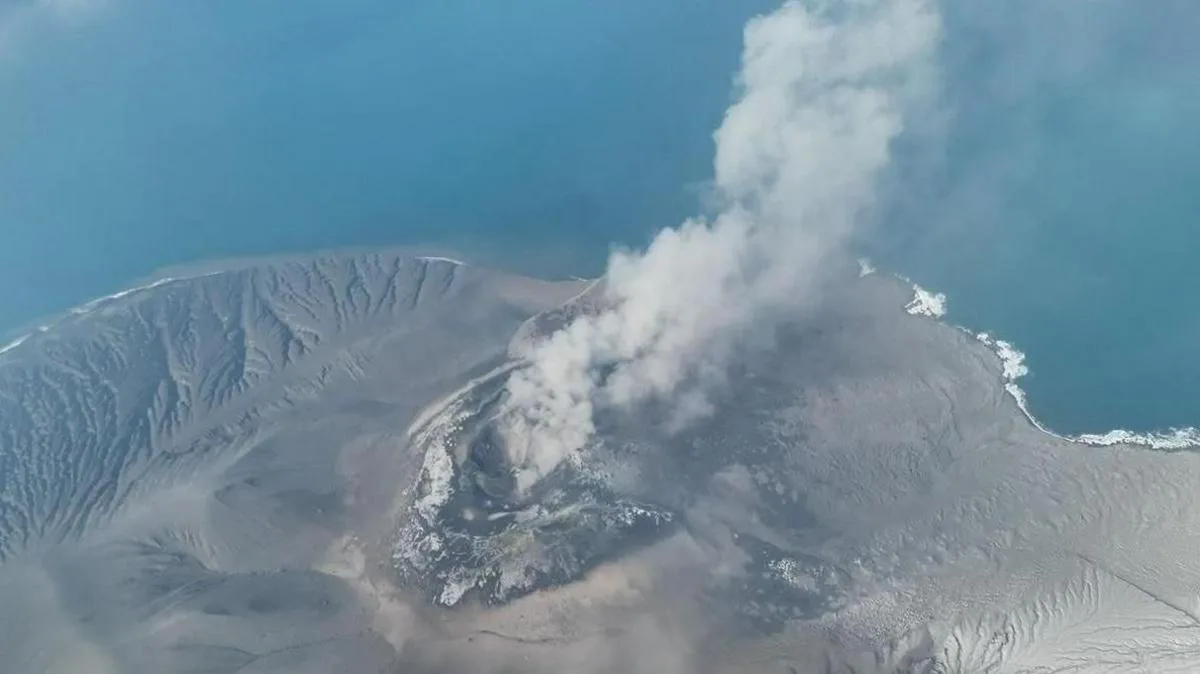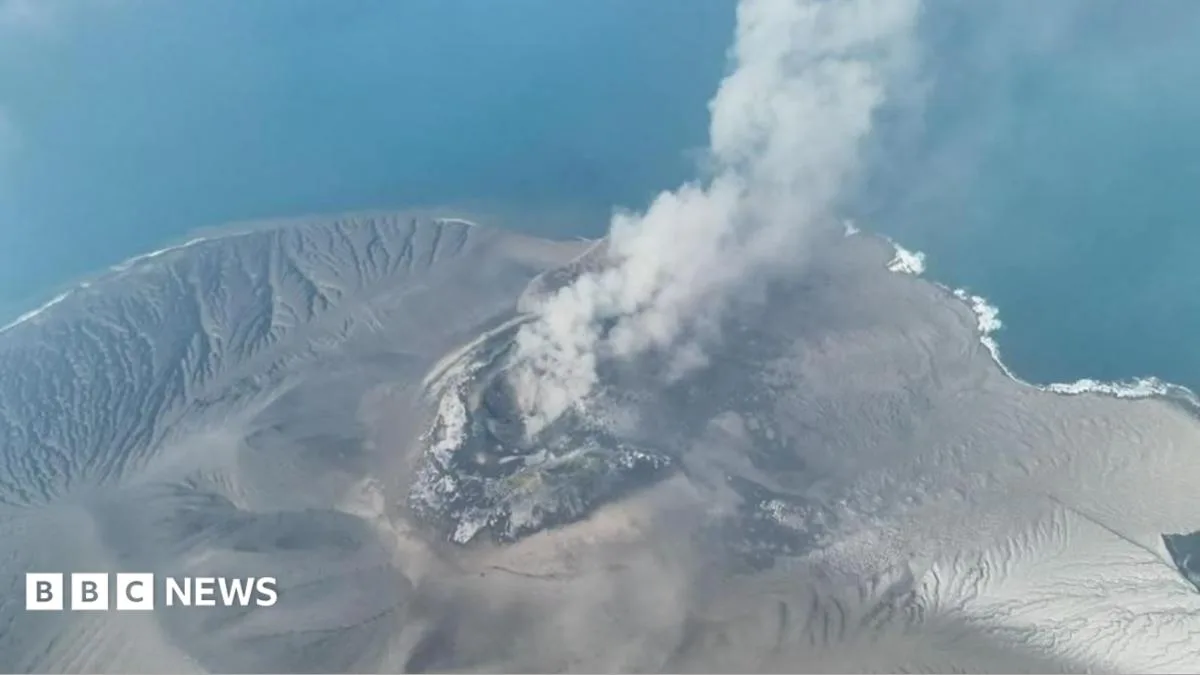
Mount Anak Krakatau began erupting late on September 4, 2026, sending volcanic ash plumes that disrupted air travel near Jakarta. Volcanic ash was detected near Soekarno-Hatta International Airport early on September 5, causing multiple suspensions of flight operations lasting from early September 5 until 5:30pm local time on September 6 [1, 2, 3, 4, 5].
Flight operations were halted and resumed several times, with at least 209 flights initially suspended or cancelled. Later reports indicated up to 301 flights were affected through cancellations, delays, or rescheduling, impacting approximately 22,800 passengers, mostly at Soekarno-Hatta Airport [1, 4, 5, 6, 7, 8]. Indonesian authorities also confirmed no tsunami warning was issued related to the eruption [1, 4, 5].
Singapore Airlines experienced significant disruption, cancelling or rescheduling 19 flights to and from Singapore between September 5 and 6. An SIA spokesperson said, "The situation remains fluid and other flights between Singapore and Indonesia may be affected. The latest flight information can be found on its flight status page" [4, 6, 7, 8].
Other Indonesian airports, including Radin Inten II Airport in Lampung, Halim Perdanakusuma Airport and Budiarto Airport near Jakarta, were temporarily closed due to ash clouds extending across the region [6, 9, 10, 7]. The ash plume reached heights of 20,000 feet on the Java side and up to 50,000 feet on the Sumatra side of the Sunda Strait [5].
The eruption also disrupted local communities beyond aviation. Schools, fishing activities, and shipping operations faced interruptions around Lampung and Banten provinces on Java [2, 4, 5]. Authorities urged calm and advised safety measures. Berton Panjaitan, spokesperson for Indonesia’s BNPB, said: "BNPB urges the public to remain calm while increasing vigilance. In the event of ashfall, people are advised to wear masks and eye protection, reduce outdoor activities, cover water sources and exercise caution when driving, as volcanic ash can reduce visibility" [4].
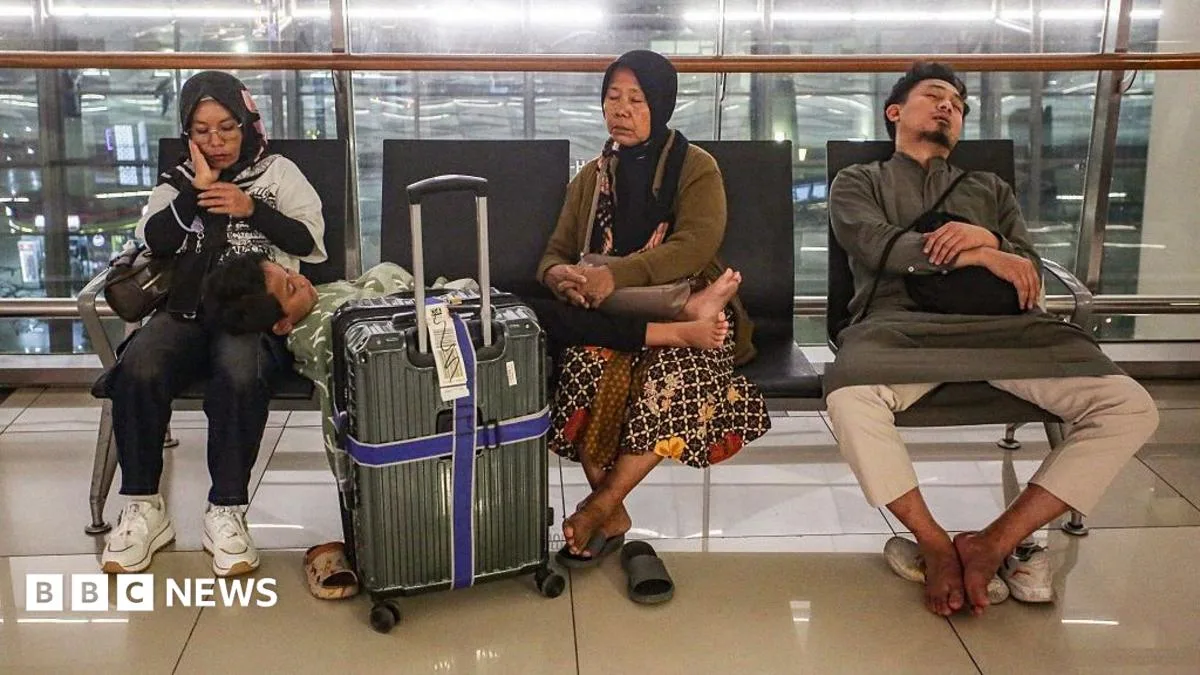
Passengers endured long waits amid changing schedules. Finna, a stranded traveler, noted, "It was very crowded because passengers from the morning flights had piled up, while those scheduled for later departures still didn't know what would happen. We were all glued to the flight information screens" [2]. Another passenger, Rishi from Singapore, said, "I’ve gotten no word at all, but I assume that it’s either delayed or cancelled" [10]. Pregnant passenger Ms Catrine Carina added, "We were still thinking, a two-hour flight should be fine for me, suddenly this thing happened" [8].
As of September 6, the airport remained closed through the late afternoon. Recovery efforts and flight resumptions are ongoing. Passengers continue to seek alternatives, with some opting for trains or ferry routes to bypass disrupted air travel [2, 8, 11].