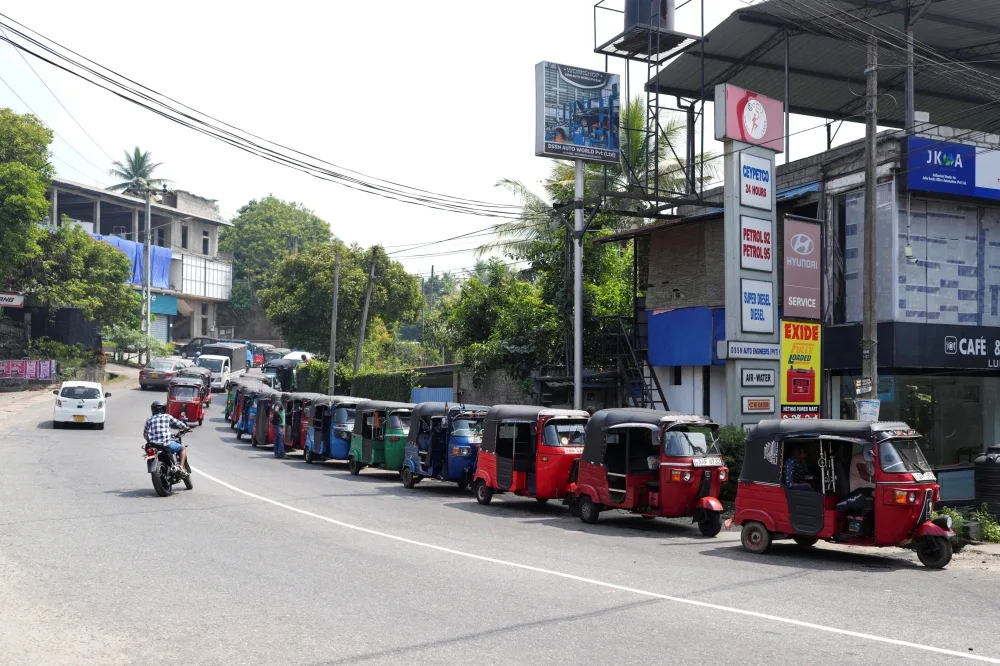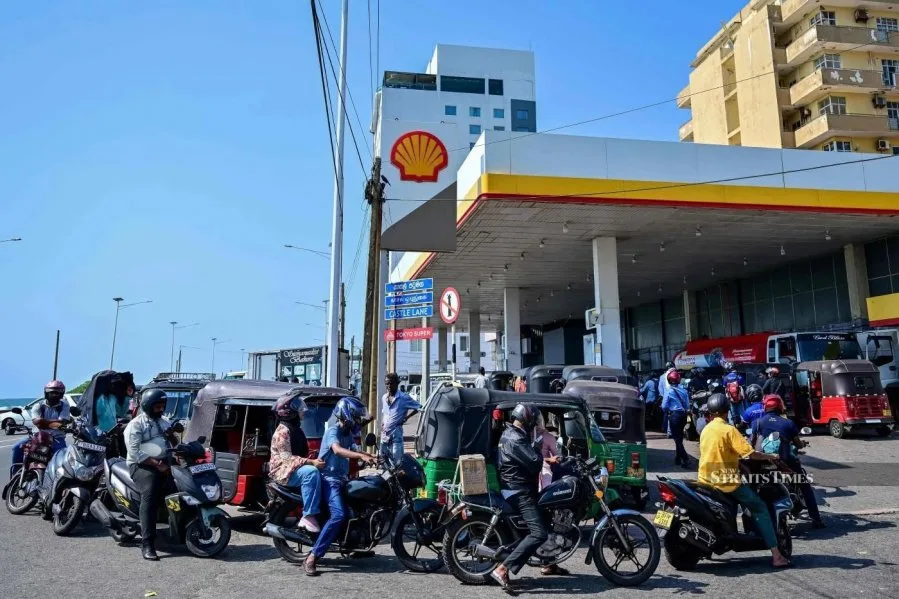
Sri Lanka increased fuel prices by up to 6% on May 31, raising petrol from 410 to 434 Sri Lankan rupees per litre and diesel from 392 to 407 rupees per litre [1, 2, 3, 4]. The hike is part of conditions set by the International Monetary Fund (IMF) for a bailout loan aimed at stabilizing Sri Lanka's economy and fiscal position [1, 2, 3, 4].
The IMF agreed to a four-year bailout loan of about US$2.9 billion to Sri Lanka in early 2023. The first installment of US$695 million was disbursed just days before the fuel price increase [1, 2, 3, 4].
Sri Lanka plans to phase out all fuel subsidies by September 2026, according to a letter from President Anura Kumara Dissanayake to the IMF. The president said "fuel subsidies will be phased out by September" [1, 2, 3, 4].
Since the outbreak of the Middle East conflict on February 28, 2026, which triggered a global energy crisis, Sri Lanka has raised petrol and diesel prices by around 48%. Electricity prices also rose by about one-third during the same period [2, 3]. Sri Lanka imports all its oil and buys coal to generate electricity [2, 3].
The country defaulted on US$46 billion of foreign debt in 2022 and has relied on drawing down the IMF bailout loan to stabilize its finances [2].
The next key step in Sri Lanka’s economic adjustment is to complete the removal of fuel subsidies by September 2026, as committed to the IMF [1, 2, 3, 4].