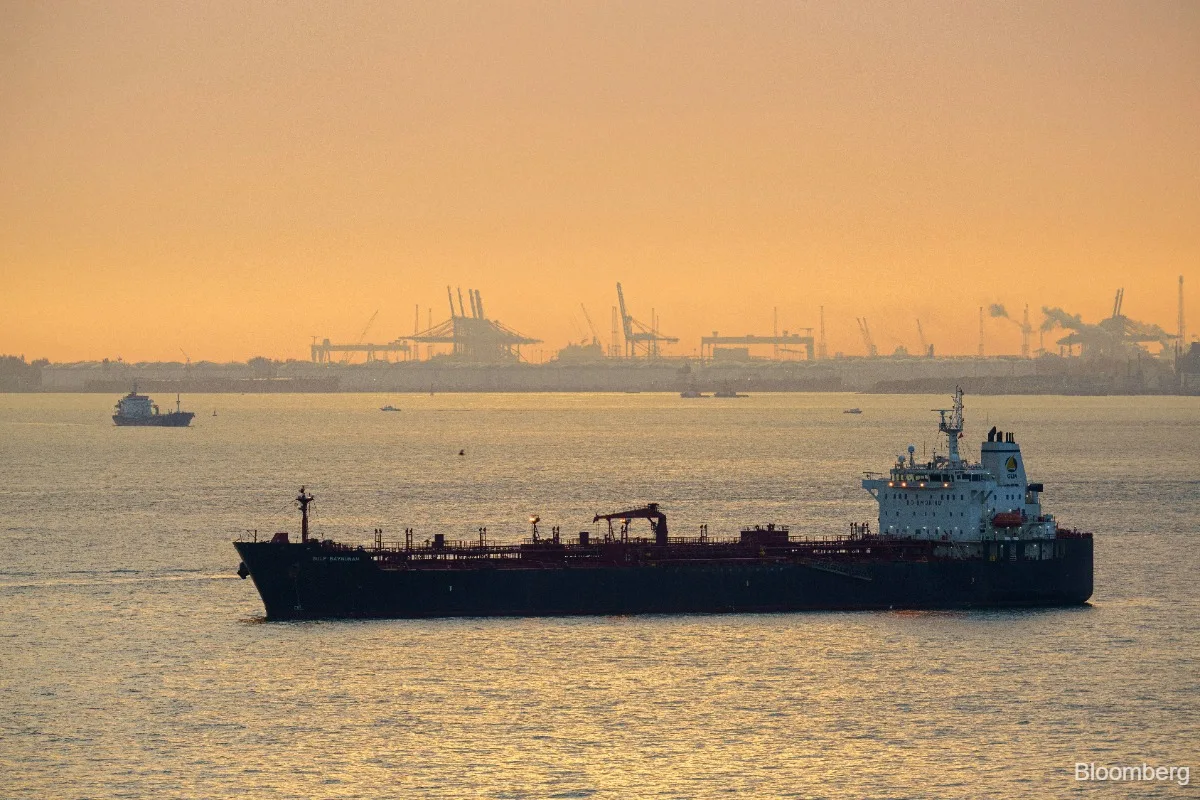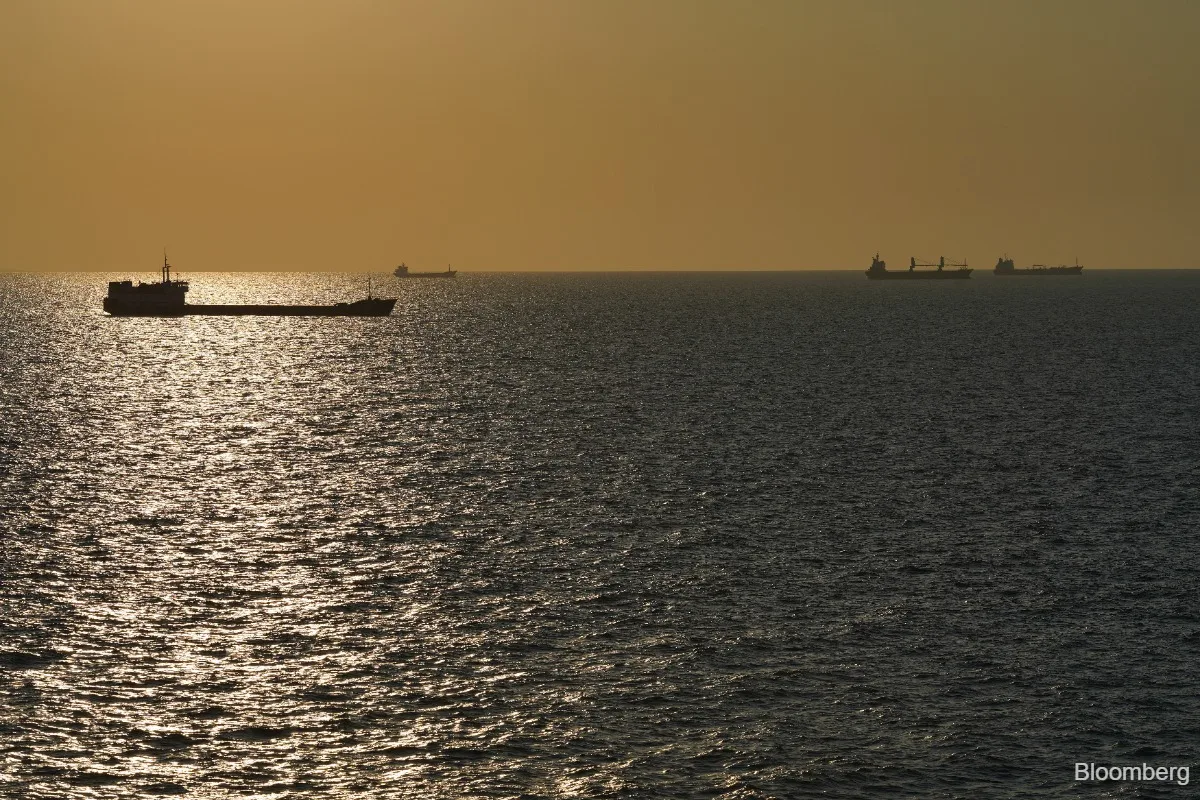
An interim peace agreement between the United States and Iran signed on June 17, 2026, reopened the Strait of Hormuz for commercial shipping after months of closure and conflict-induced disruptions [1, 2, 3, 4, 5, 6]. Prior to reopening, 31 supertankers carrying about 62 million barrels of crude oil had been trapped inside the strait. These ships began sailing out once the strait was reopened, with nearly 10 million barrels of stranded oil emerging or transiting shortly after the deal took effect [1, 2, 7, 4].
Iran announced that commercial vessel traffic at its southern ports returned to normal since June 15, signaling easing tensions in the region [4]. Despite the reopening, advisories remain for mariners to exercise caution due to navigation hazards including naval presence and mines in the area [5]. Ships also resumed broadcasting positions after weeks of turning off transponders amid the conflict, improving maritime transparency [2, 5].
Gulf oil producers quickly moved to restore supplies. Kuwait Petroleum Corp lifted all force majeure notices on June 18 and began ramping up production, planning to raise output to 2 million barrels per day within a week—nearly doubling its 1.2 million barrels per day average export rate from early 2026 before the closure [8, 6]. Kuwait also offered crude for July delivery via tender on June 19 [8, 5]. Alongside Kuwait, other producers including Abu Dhabi National Oil Co and Saudi Arabia’s Bahri restarted crude marketing and shipments around the reopening date [1, 7, 5].
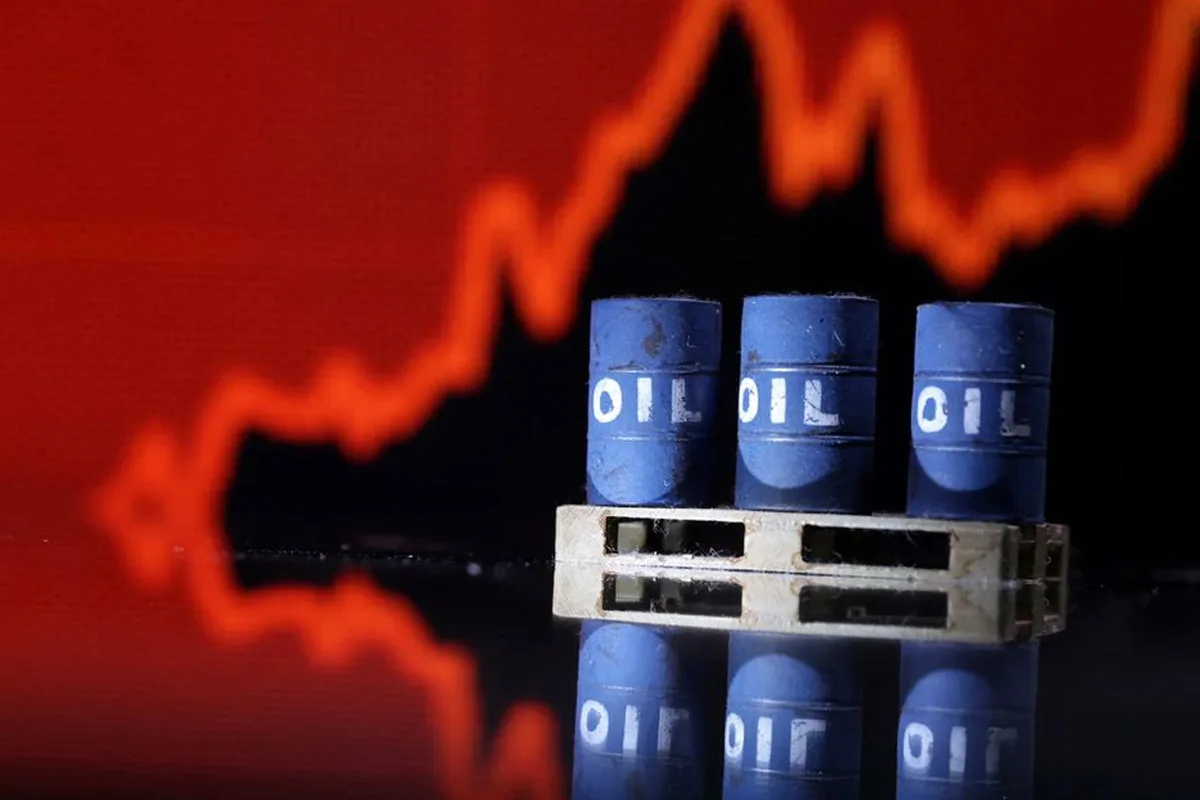
Oil prices fell to around $77 per barrel in mid-June, the lowest since the initial stages of the conflict, reflecting market relief at renewed Gulf flows [2, 3]. Former U.S. President Donald Trump remarked succinctly, "Oil is flowing," capturing the turnaround [4]. Analysts at Goldman Sachs, including Daan Struyven, projected that Persian Gulf exports would normalize to pre-war levels by late July 2026 [1].
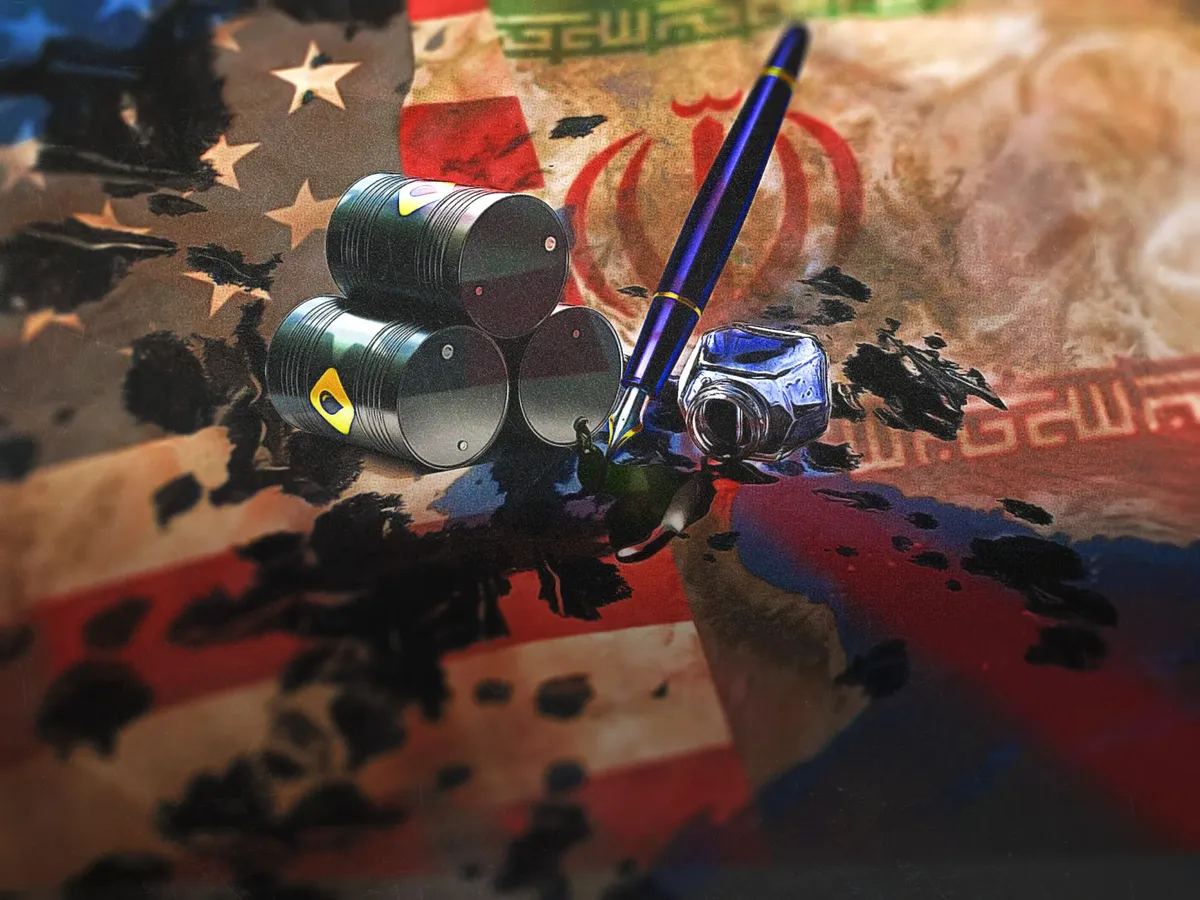
The interim US-Iran deal includes a 60-day negotiating window on Tehran’s nuclear program while maintaining free commercial passage through the Strait of Hormuz during that period [3, 4]. The reopening and export resumption mark a key early milestone in that arrangement.