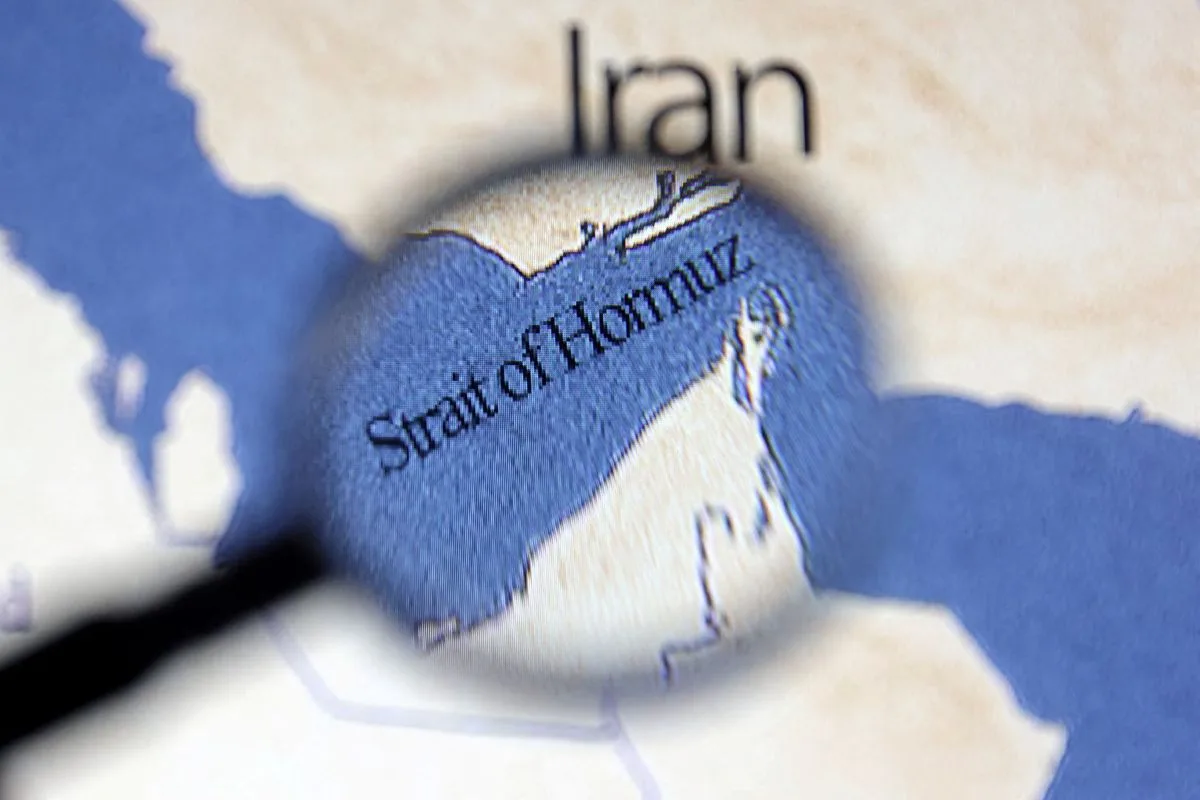
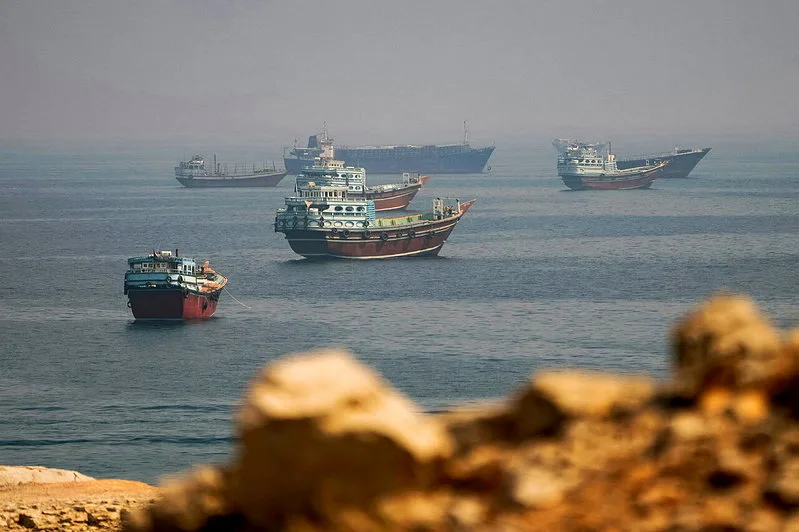
About five vessels transited the Strait of Hormuz on August 31, 2026, with four entering and one exiting, according to preliminary Kpler ship-tracking data [1, 2, 3, 4, 5]. None of these vessels were liquid tankers, marking a notable absence in the usually busy crude oil route [1, 2, 3, 4, 5].
Among the four vessels entering, one was an empty handy-sized gas tanker arriving via the Iranian route, while the other three were laden dry bulk carriers [1, 2, 3, 4, 5]. Vessels with their transponders turned off were not counted, meaning some traffic may not be reflected in the totals [1, 2, 3].
The five-vessel count is well below the 10-day average of about 14 vessels per day transiting the Strait of Hormuz [1, 2, 5]. This low activity underscores a significant dip in traffic through this strategic waterway on that day.
Meanwhile, at the Bab-el Mandeb strait, vessel transits hit a three-day high of 27 on August 31, with 14 vessels entering and 13 exiting [1, 2, 4, 5]. Among those, five were Aframax or Suezmax crude oil tankers, but no very large crude carriers (VLCC) or liquefied natural gas tankers passed through [1, 2, 4, 5].
On September 1, Iranian media reported a Saudi oil tanker was stopped while transiting the southern corridor of the Strait of Hormuz, highlighting ongoing tensions in the region [1, 2, 4, 5].