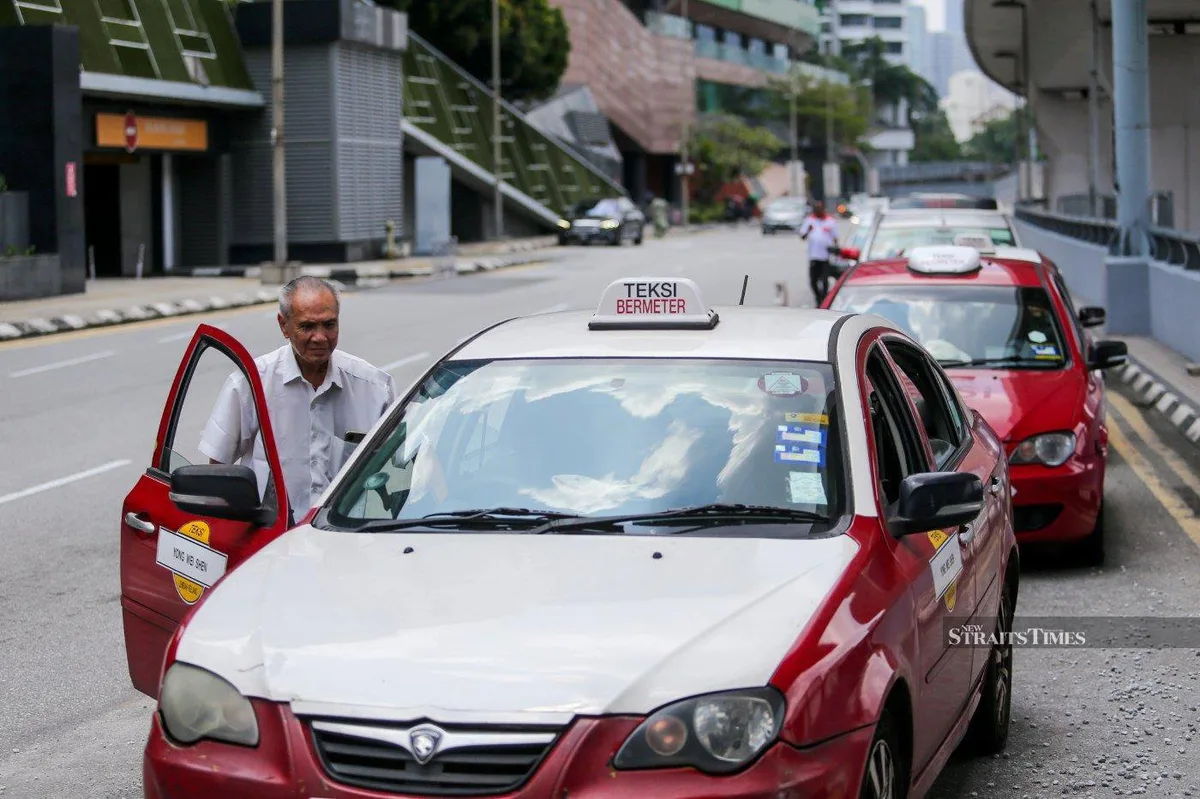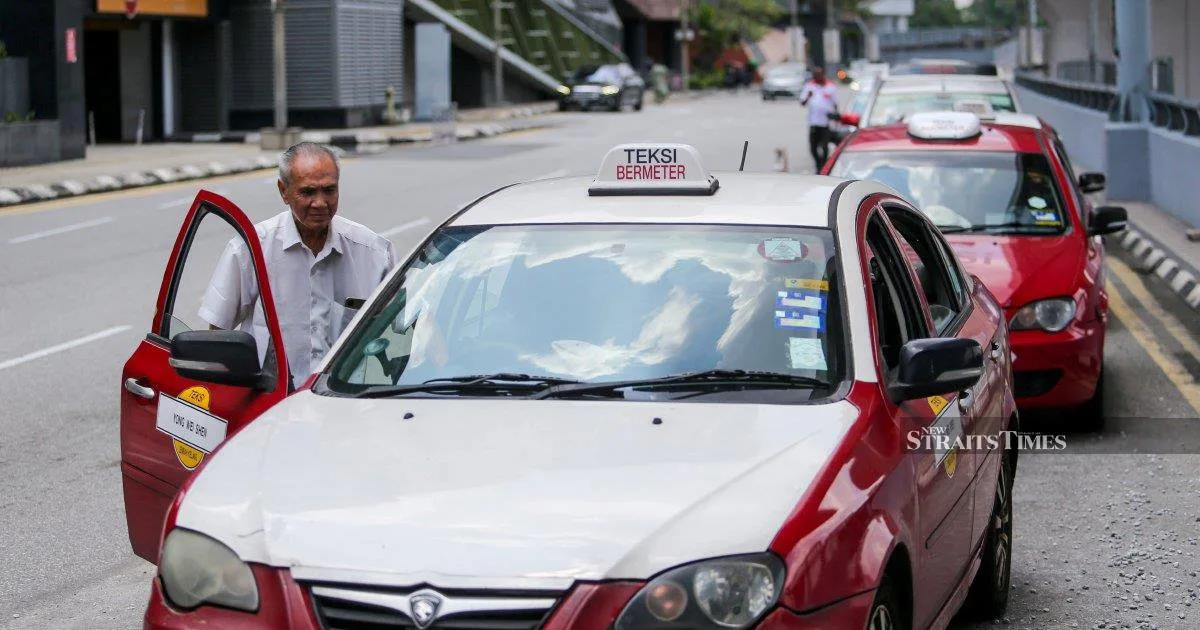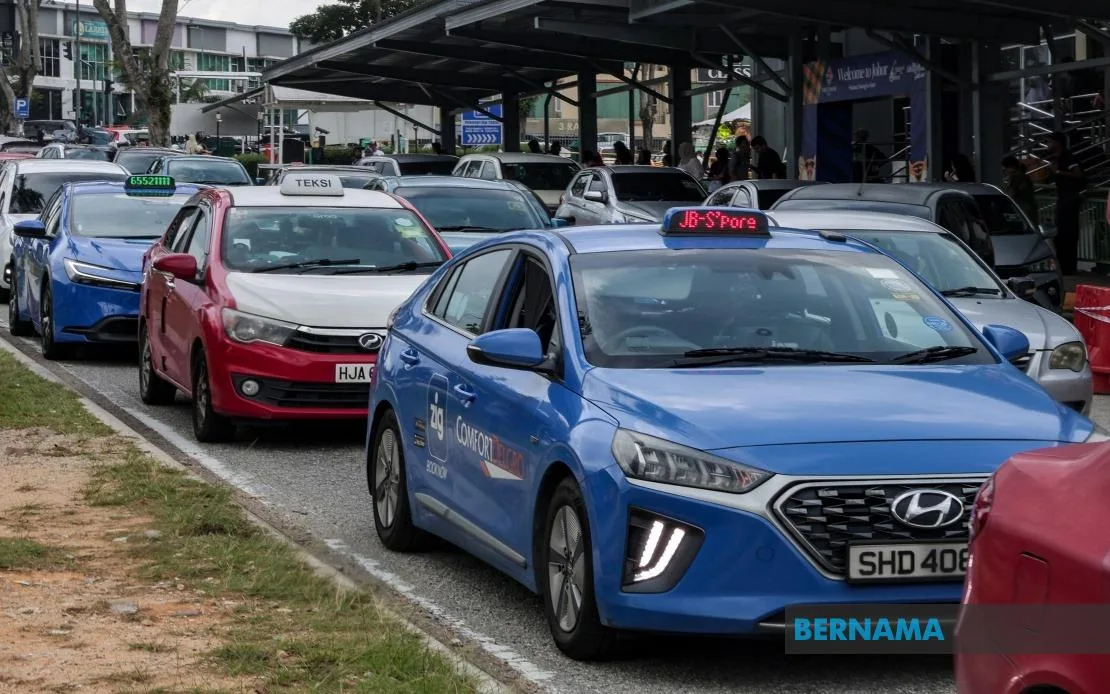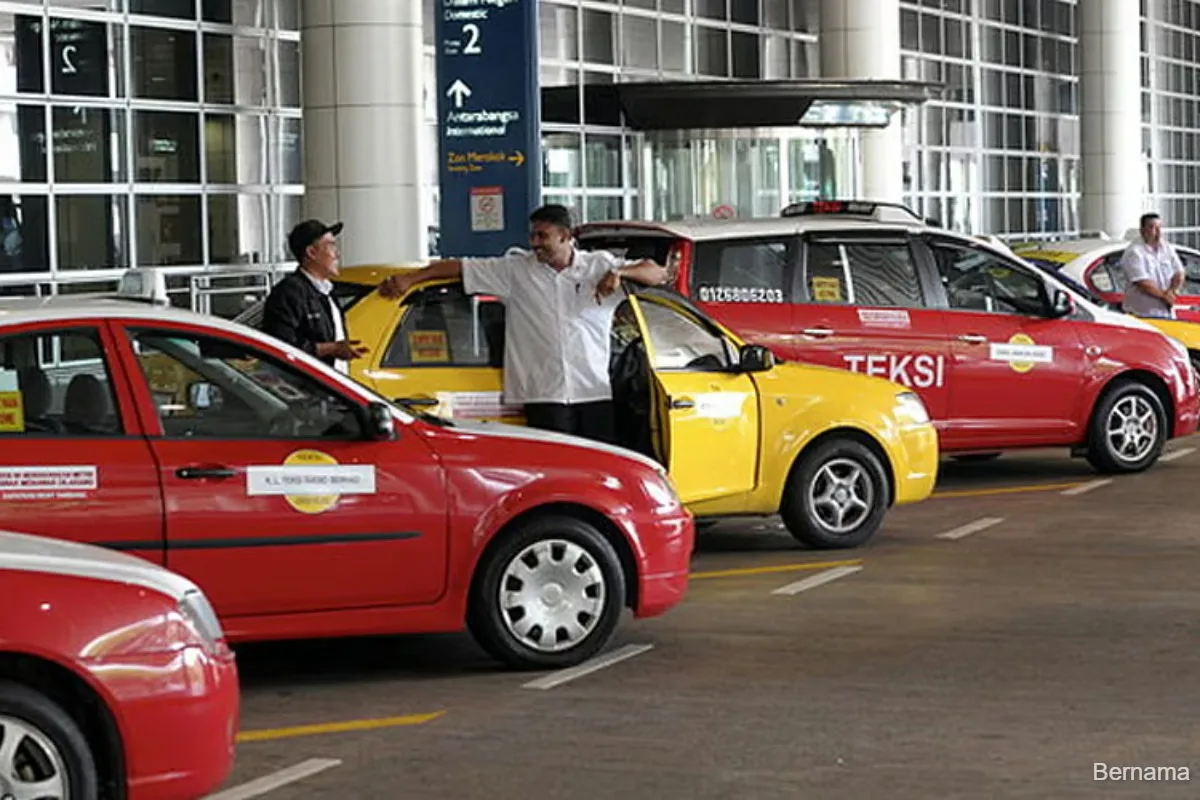
Taxi drivers in Malaysia are now permitted to license or replace their vehicles with models other than the Proton S70 under the National Madani Taxi Renewal Programme, known as Teksi Madani. The announcement was made on August 7 by the Land Public Transport Agency (APAD) to support applicants who already own vehicles or were denied hire-purchase financing under the programme [1, 2, 3, 4].
The Transport Ministry had initially set conditions on April 23 limiting new applications or taxi replacements under Teksi Madani to Proton S70 models on a voluntary basis. The Proton S70, selected as the official taxi model, features a modern design without roof taxi signs and a special registration series starting with "GET" [1, 2, 3, 4].
Teksi Madani, launched by Prime Minister Datuk Seri Anwar Ibrahim on July 3, 2026, aims to enable taxi drivers to legally own their vehicles and move away from traditional leasing models, which often disadvantaged drivers [1, 2, 3, 4]. According to an APAD statement, "Taxi drivers are encouraged to switch to Teksi Madani to enjoy the various incentives offered. However, to assist applicants who already have existing vehicles or were unsuccessful in obtaining approval for hire-purchase financing under the Teksi Madani programme, applicants are still allowed to license or replace their vehicles with models other than the Proton S70" [1].
Taxis not replaced under the programme are permitted to continue operating until they reach their specified vehicle age limit [1, 2, 3, 4]. Financially, the government has allocated RM20 million for the programme's matching grant scheme to support old vehicle replacement, including an additional RM10 million on top of the initial RM10 million allocated in Budget 2026 [1, 2, 3, 4].
The expanded vehicle flexibility under Teksi Madani is intended to ease the transition for taxi drivers impacted by financing issues or possessing different existing models. The programme continues to accept applications and replacements, focusing on increasing taxi ownership among drivers.
Officials have signaled ongoing monitoring of the programme's impact on taxi operators and financing arrangements as the initiative develops throughout 2026 [1, 2, 3, 4].