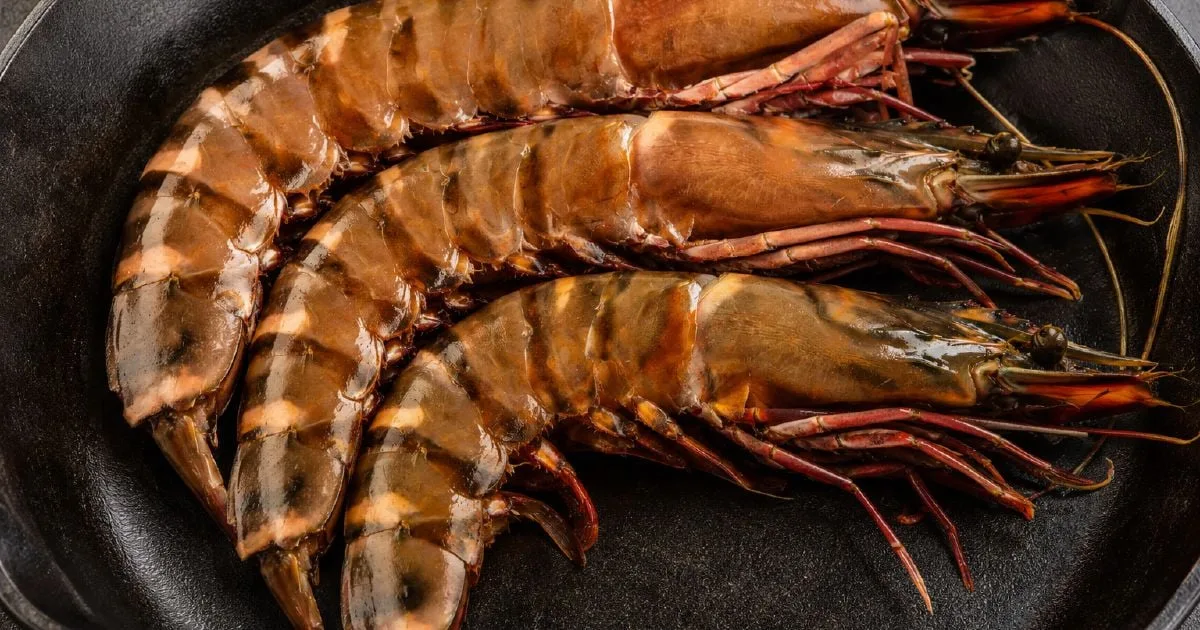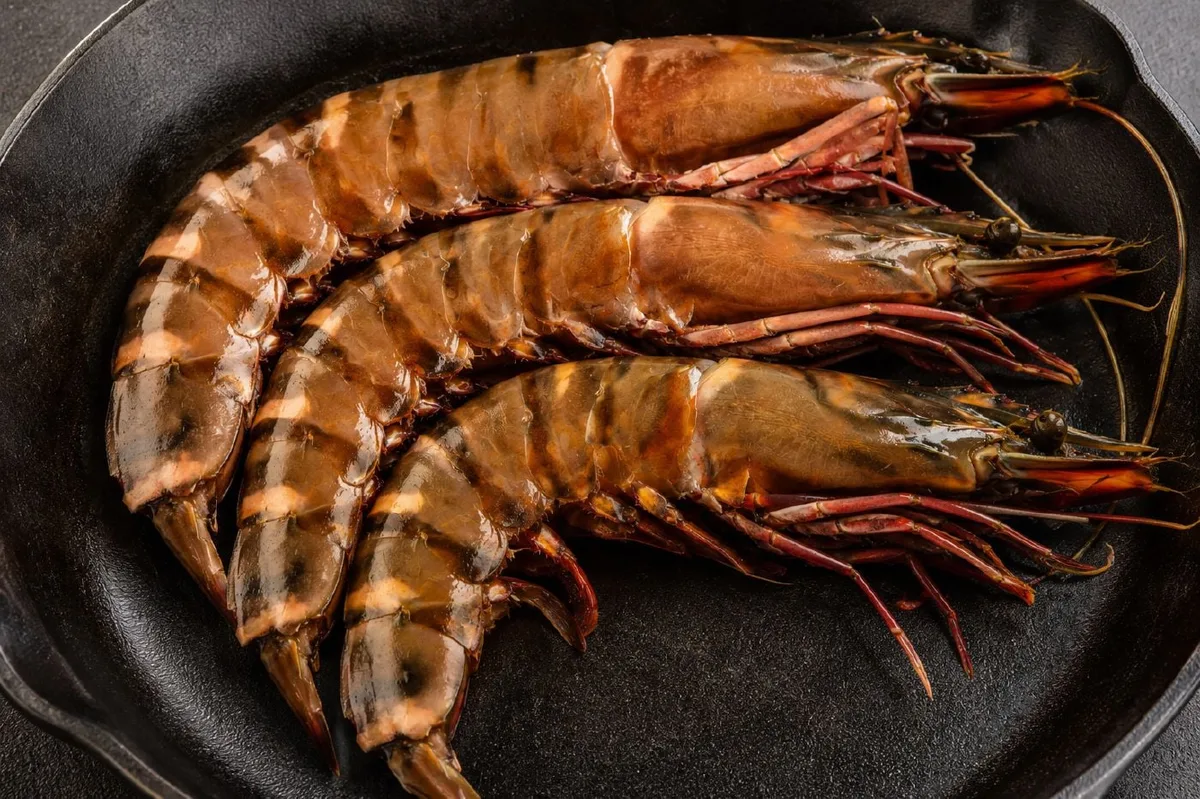
Malaysia implemented a temporary ban on imports of five Thai shrimp species starting June 1 as part of tighter fisheries controls, affecting brown tiger prawn, banana prawn, whiteleg shrimp, giant tiger prawn, and blue shrimp species [1, 2].
The ban covers species critical to Thailand’s shrimp industry and export market. On June 2, Thai Prime Minister Anutin Charnvirakul, who also serves as interior minister, issued a directive during a cabinet meeting for urgent diplomatic discussions with Malaysia to resolve the issue [1, 2].
Government spokesman Ratchada Thanadirek warned, "If the issue is allowed to persist, it could affect farm-gate shrimp prices and the incomes of small-scale farmers" [1]. Another spokesman underscored that the problem cannot be borne by farmers alone because the shrimp industry supports the entire supply chain, including farms, processors, exporters, and workers [2].
Thai agencies have been instructed to prepare measures to stabilize farm-gate prices, manage domestic surplus shrimp supplies, and seek alternative export markets to mitigate the impact of the import restrictions [1, 2].
In addition to the shrimp ban, Malaysia's Agriculture and Food Security Ministry has tightened import controls on other Thai products including chili, cucumber, tomato, kailan, round cabbage, and gastropods by requiring a certificate of analysis for these items [2].
The ban affects five key Thai shrimp species critical to the seafood export sector, posing economic risks to producers and related businesses [1, 2]. The next step will be the ongoing talks between Thai and Malaysian officials aimed at resolving the shrimp import ban.