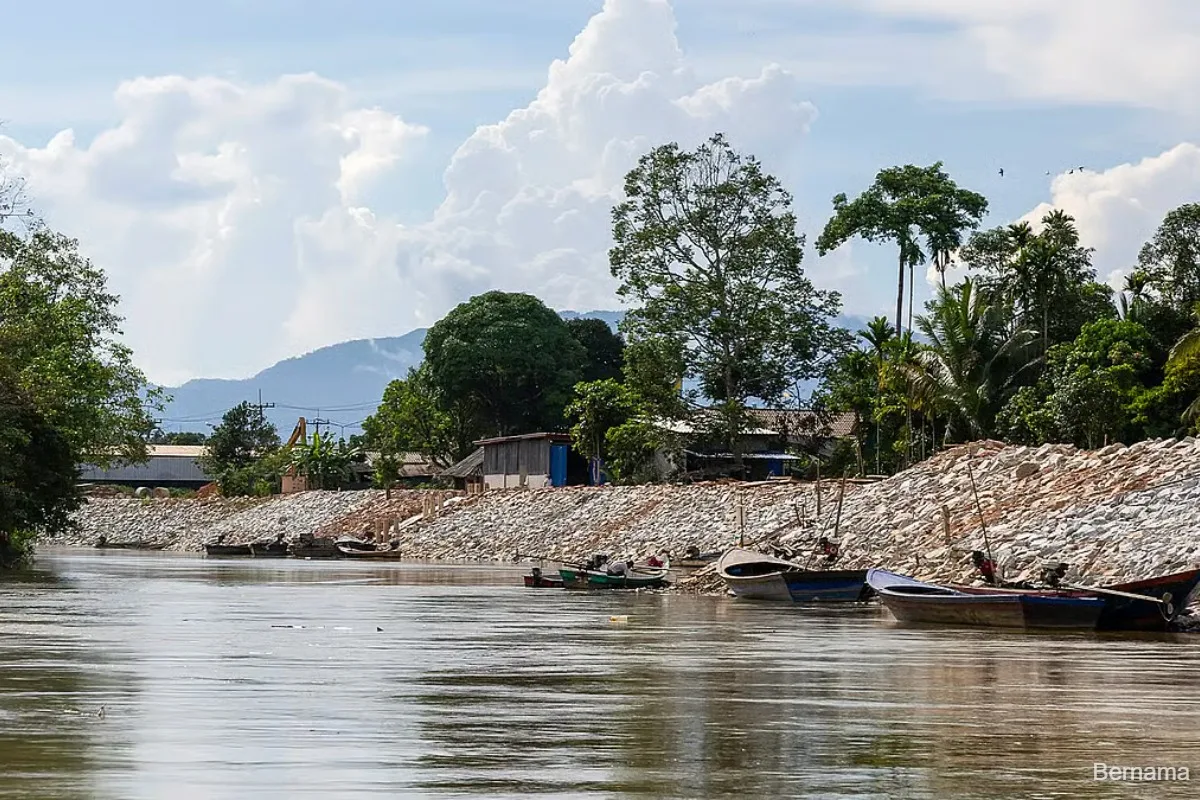
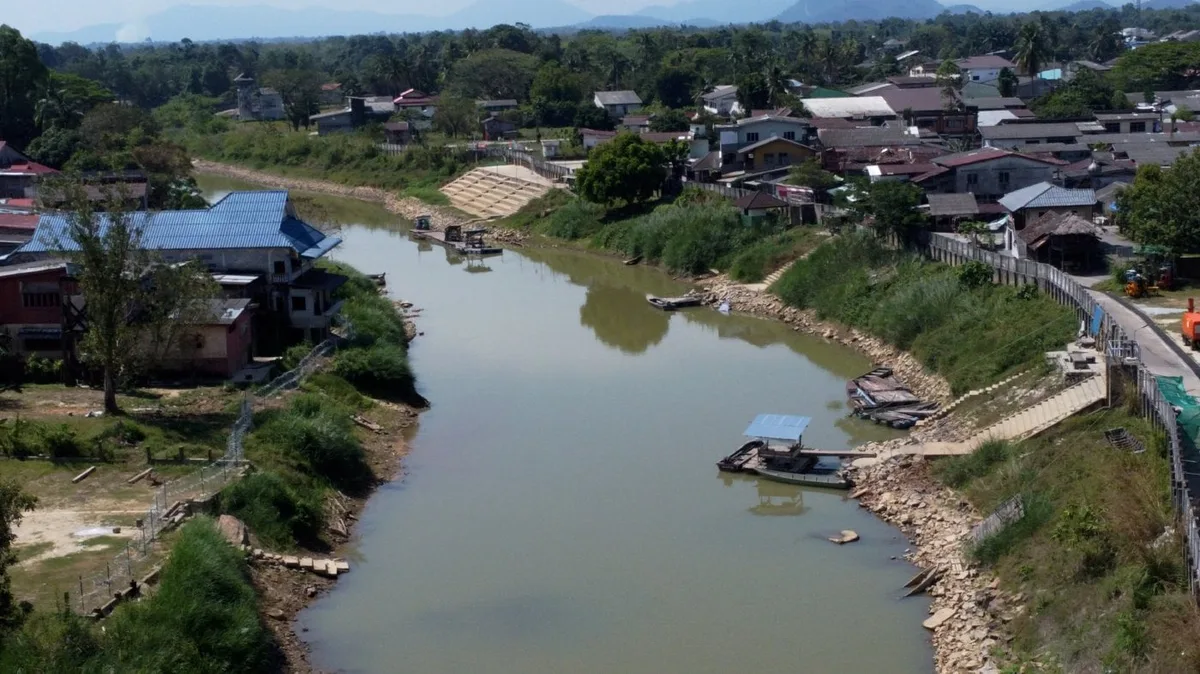
The Thai Cabinet approved the Sungai Golok Basin development project on June 7 to enhance flood risk reduction, water security, and ecosystem restoration in border areas between Malaysia and Thailand [1, 2, 3]. The project was jointly developed by Thailand’s Office of National Water Resources and Malaysia’s Department of Irrigation and Drainage to strengthen transboundary water resource management [1, 2, 3].
Funded with US$4 million (RM15.9 million) from the Global Environment Facility (GEF) and supported by the United Nations Food and Agriculture Organisation (FAO), the initiative aims to run over a 48-month period [1, 2, 3]. It includes the development of a shared database, flood and drought risk assessments, and preparation of a joint strategic action plan for the Sungai Golok River basin [1, 2, 3].
National Security Council Director-General Datuk Raja Nushirwan Zainal Abidin spoke on the same day about ongoing cooperation efforts, saying, "For that purpose, we will constantly remain in contact with the Thai government because it involves the interests of both countries" [1].
Malaysia intends to implement related developments in the area, although its plans remain at the planning stage [1, 2, 3]. Kuala Lumpur is also detailing economic initiatives to assist communities affected by the demolition of 91 illegal jetties along Sungai Golok, including in Rantau Panjang and Tumpat [1, 2, 3]. The assistance initiative will be implemented after federal and state governments finalize coordination [1, 2, 3].
The developments are expected to impact the well-being of residents and the broader progress of border areas on both sides [1, 2, 3]. The project marks a coordinated effort to manage shared water resources and mitigate environmental risks in the region.