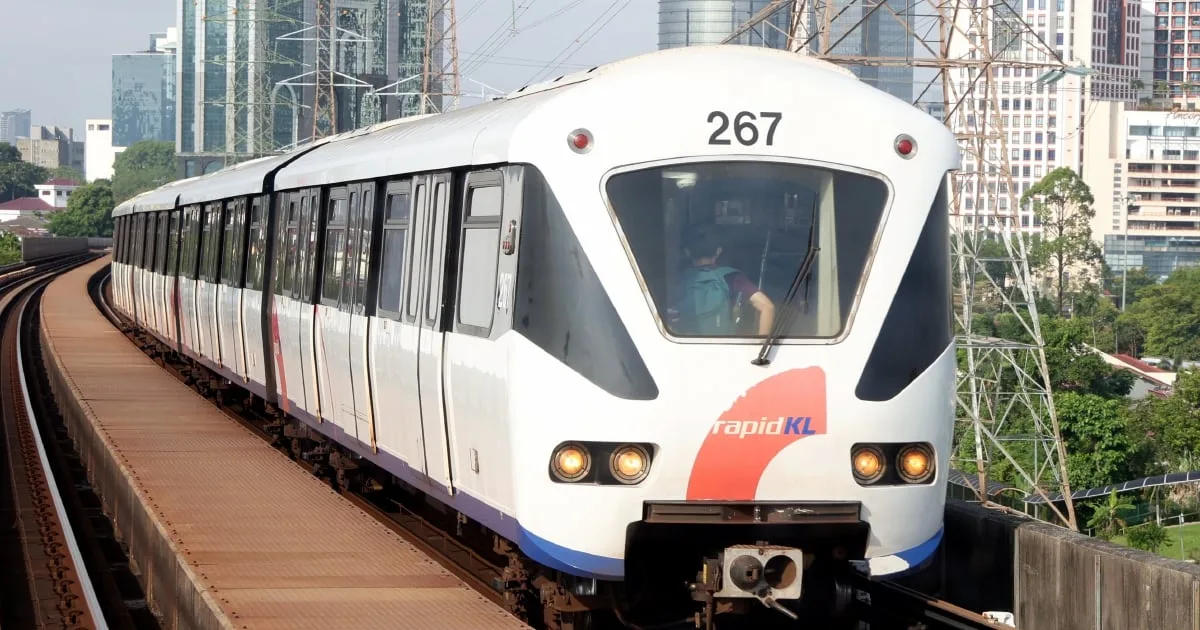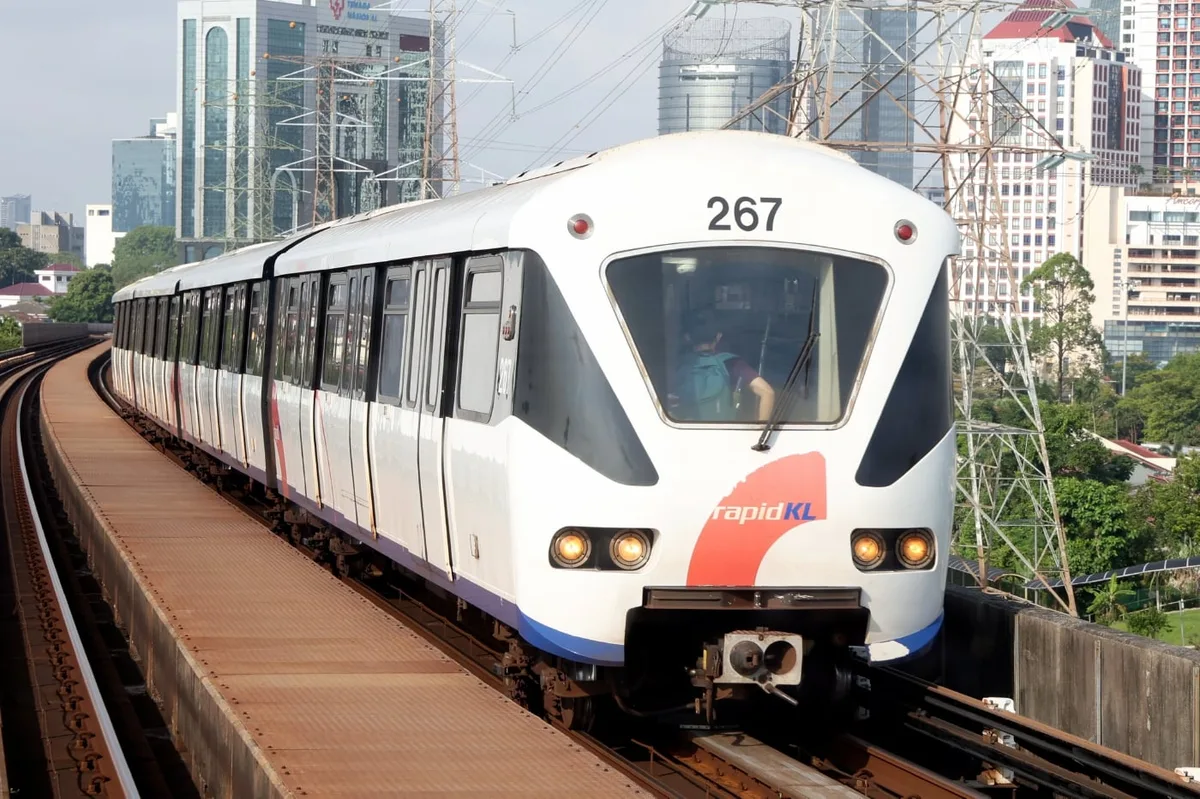
The Kelana Jaya LRT line experienced significant service disruptions on May 18, 2026, after a component failure disabled a train at Kelana Jaya Station during peak hours [1, 2, 3, 4, 5]. Train number 92 suffered damage to its Linear Induction Motor (LIM) cover, which rendered the train immobile on the track [6, 4, 5]. Rapid Rail warned that moving the stalled train could have damaged the signaling system and emergency stop mechanisms, necessitating the train to remain in place until resolved [4].
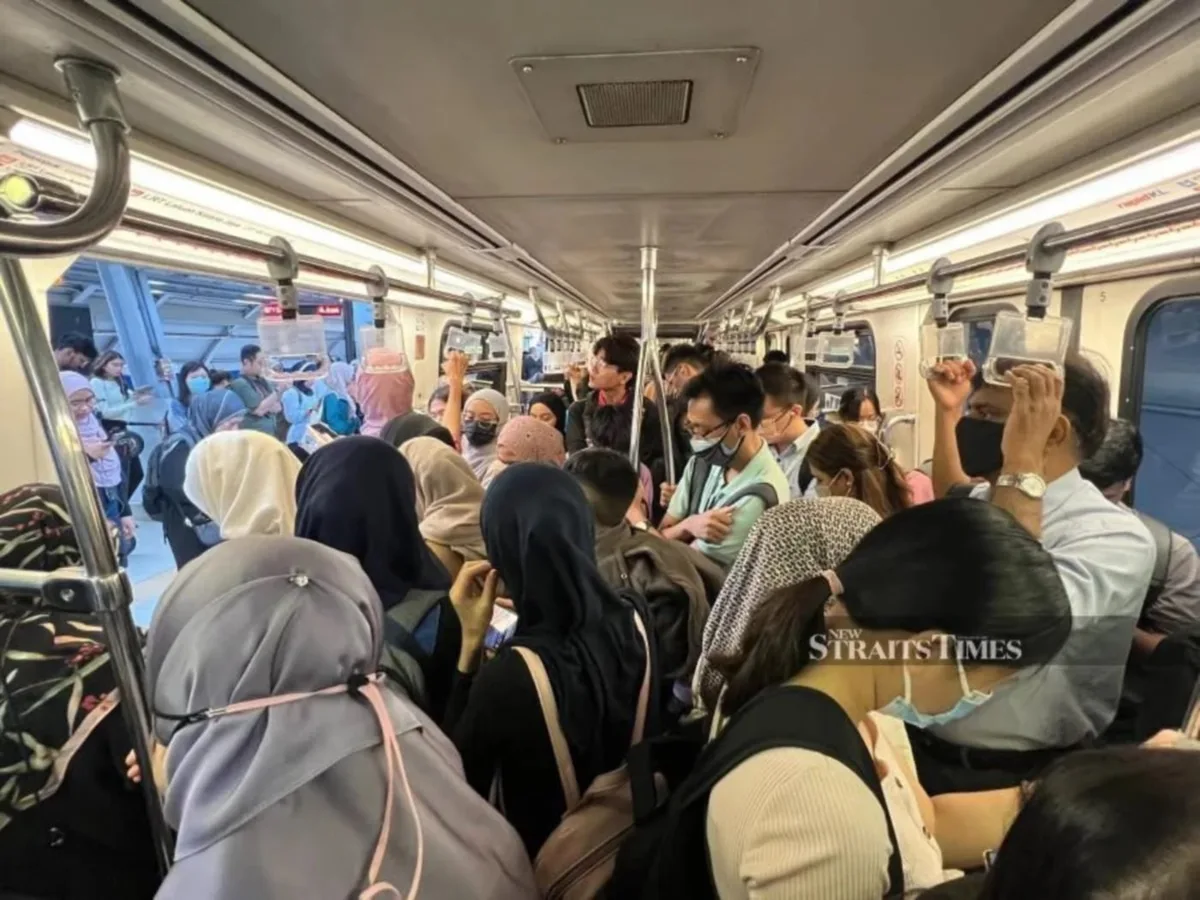
Passengers faced longer waits and crowding as Rapid KL deployed technical teams, auxiliary police, and staff to manage affected stations and provide real-time updates [1, 2, 3]. Travelers were advised to use alternative routes including the Ampang/Sri Petaling Line, Kajang Line, Putrajaya Line, and Monorail Line to alleviate congestion [1, 2, 3].
This incident follows another disruption on May 12 caused by a melted battery cable triggering a network failure between Pasar Seni and KL Sentral stations, showing multiple recent faults on the line [6, 5]. After the May 18 breakdown, Rapid Rail launched comprehensive inspections of LIM systems across its train fleet to prevent recurrences [4].
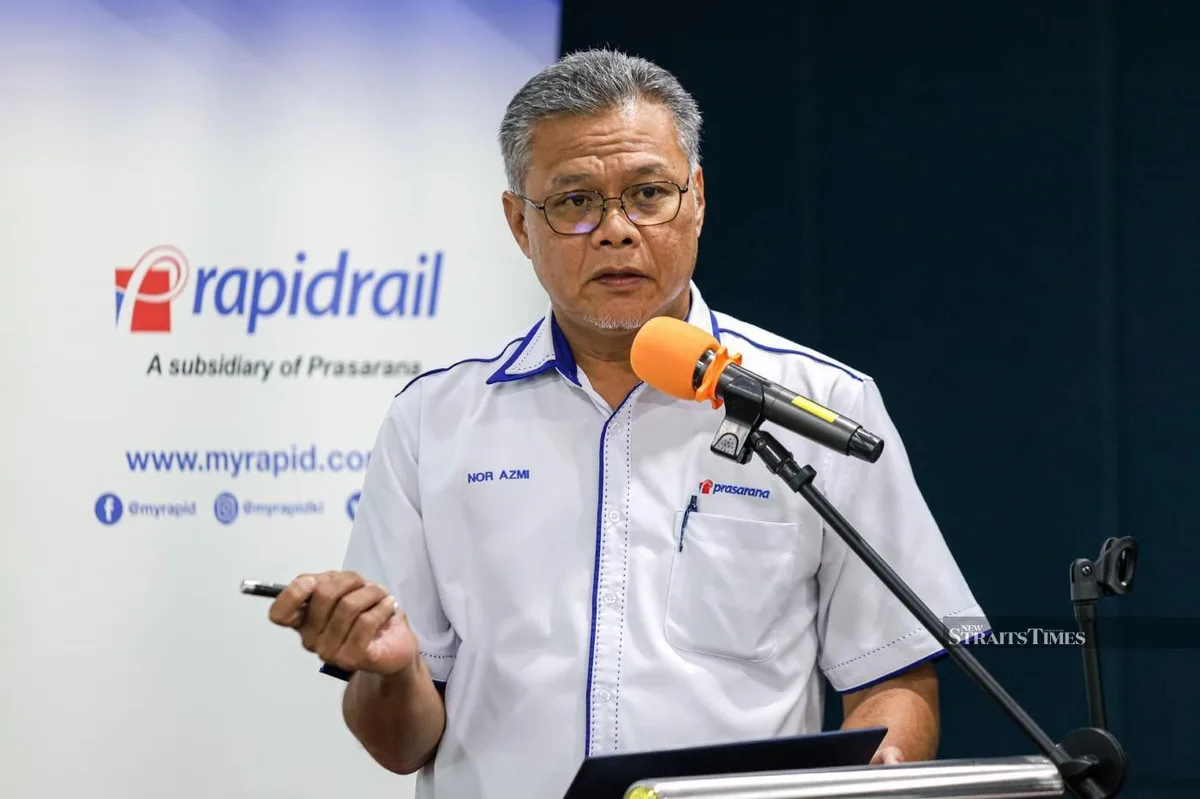
Rapid Rail's LRT Chief Operating Officer Nor Azmi Mohd Yusof acknowledged that ageing trains contribute to failures but noted that some disruptions stem from temporary instabilities during recent system upgrades. "At the beginning, we will naturally see several issues before things stabilise," he said, describing a 'bathtub curve' effect where stability normally takes one to two years after upgrades begin [6, 5].
Ridership on the Kelana Jaya Line has increased sharply, nearly doubling from 150,889 daily passengers in 2020 to 289,282 in April 2026, driven by factors like rising fuel prices and regional conflicts [7, 8]. This surge has put added pressure on the aging infrastructure and rolling stock.
To address these challenges, Rapid Rail plans to replace 26 train sets by 2030 while continuing upgrades to signaling and communication systems [5].
Earlier disruptions and maintenance challenges underline the importance of ongoing inspections and upgrades. Rapid Rail's next scheduled step is the full LIM system inspection underway following the May 18 incident [4].