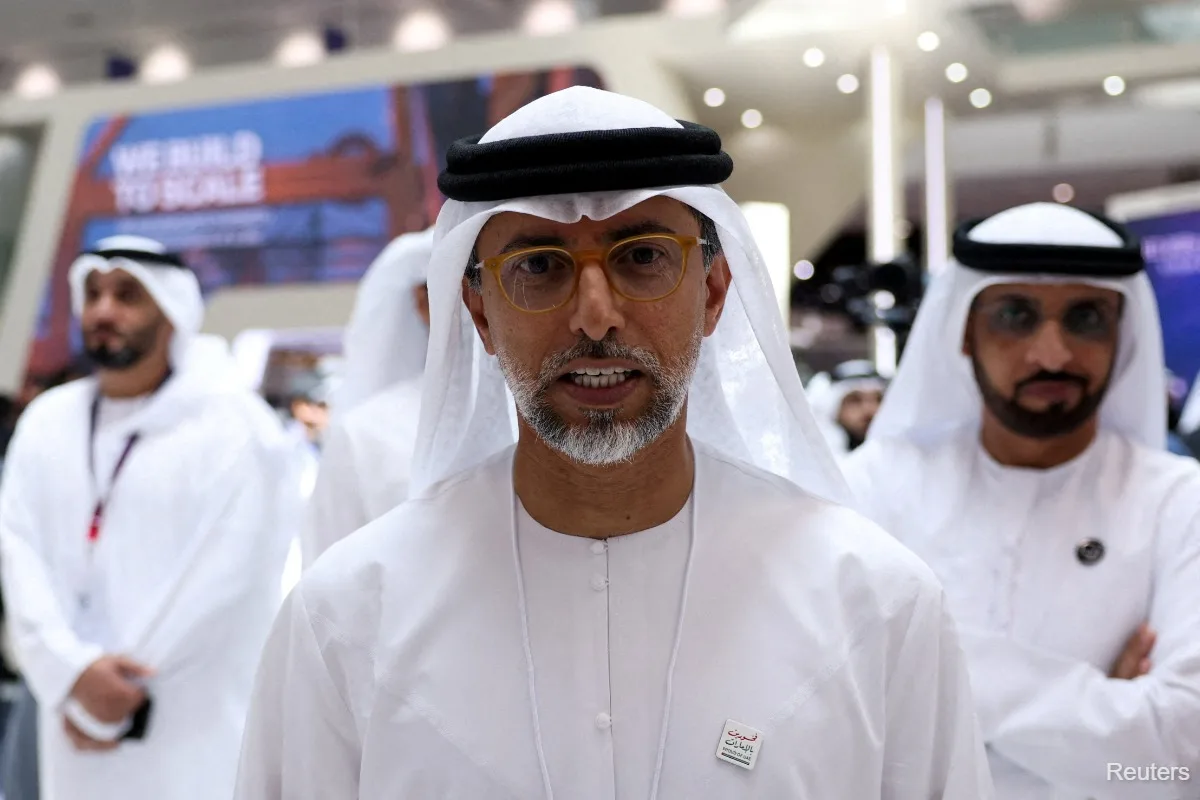
The United Arab Emirates formally exited OPEC and OPEC+ on May 1, 2026, marking a major change in its oil policy [1, 2]. UAE Energy Minister Suhail Al Mazrouei said the decision was a sovereign, strategic, and economic choice based on a "comprehensive assessment of the national production policy and its future capabilities." He added, "It is not driven by political considerations, nor does it reflect any division between the UAE and its partners" [1, 2].
Before the war involving Iran, the UAE was producing just over 3 million barrels per day, roughly aligned with OPEC+ quotas [2]. Due to disruptions from the conflict, current production has fallen to between 1.8 and 2.1 million barrels per day [2]. Despite this, the UAE aims to raise its production capacity sharply to 4.9 million barrels daily, signaling ambitions beyond OPEC constraints [2].
Historically, the UAE ranked as one of OPEC's most influential members after Saudi Arabia, possessing meaningful spare capacity to influence global prices and respond to supply shocks [2]. The exit weakens OPEC's grip on global oil supply and highlights growing tensions with Saudi Arabia [1].
Suhail Al Mazrouei emphasized the move reflects the UAE’s role as a reliable energy supplier committed to market stability, stating, "This decision came following a comprehensive assessment of the national production policy and its future capabilities, and it is based solely on the national interest of the United Arab Emirates" [2].
The UAE’s departure was publicly explained by Al Mazrouei on May 16, reinforcing that the step was strategic rather than political [1, 2]. The country’s next milestone will be its efforts to ramp up production capacity toward the 4.9 million barrels per day goal.