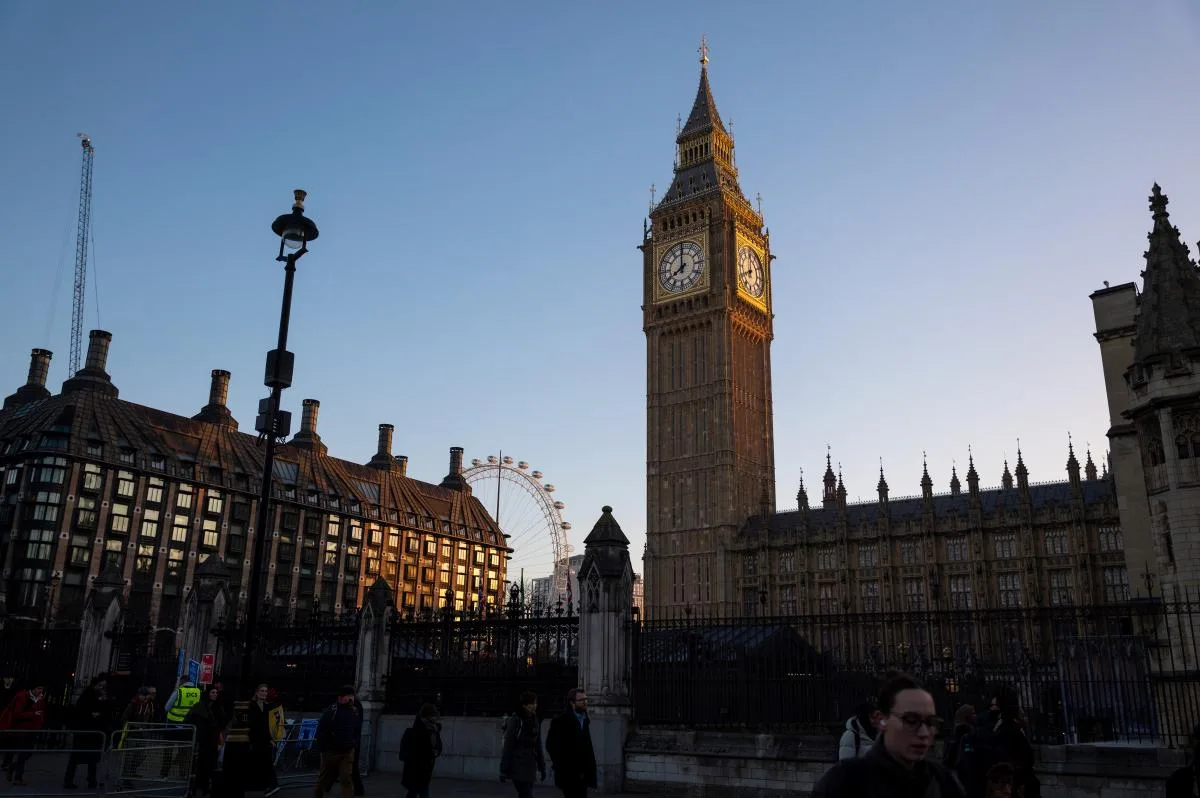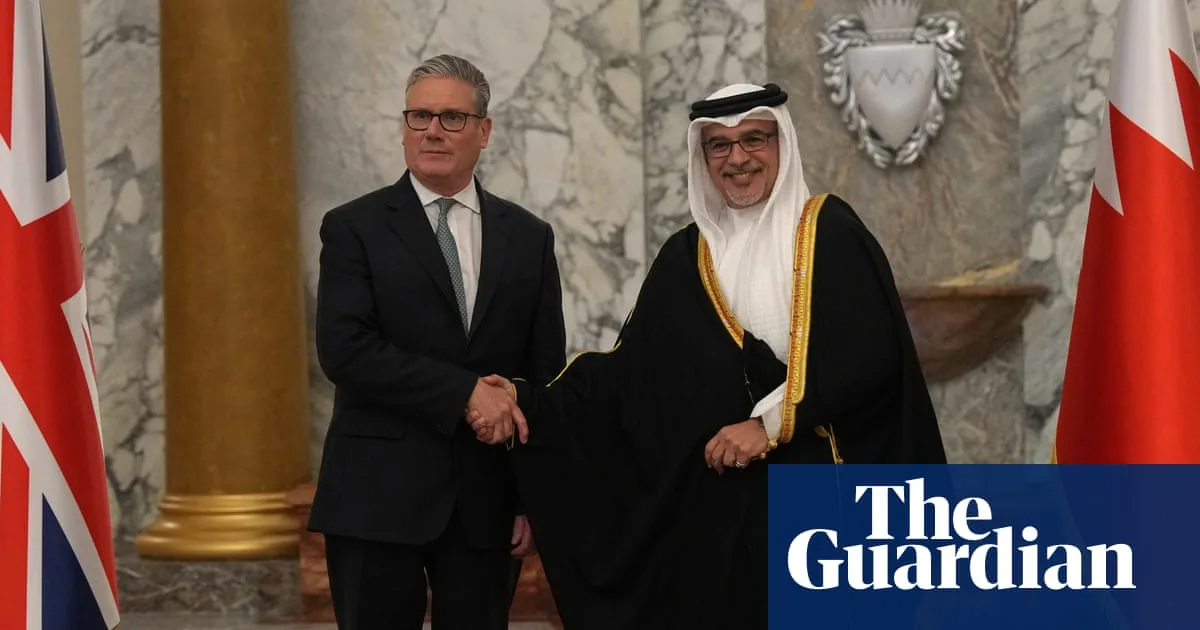
The United Kingdom and the six Gulf Cooperation Council (GCC) states—Saudi Arabia, United Arab Emirates, Qatar, Kuwait, Bahrain, and Oman—finalized a free trade agreement in London on Wednesday, May 20, 2026, ending four years of negotiations [1, 2, 3, 4, 5].
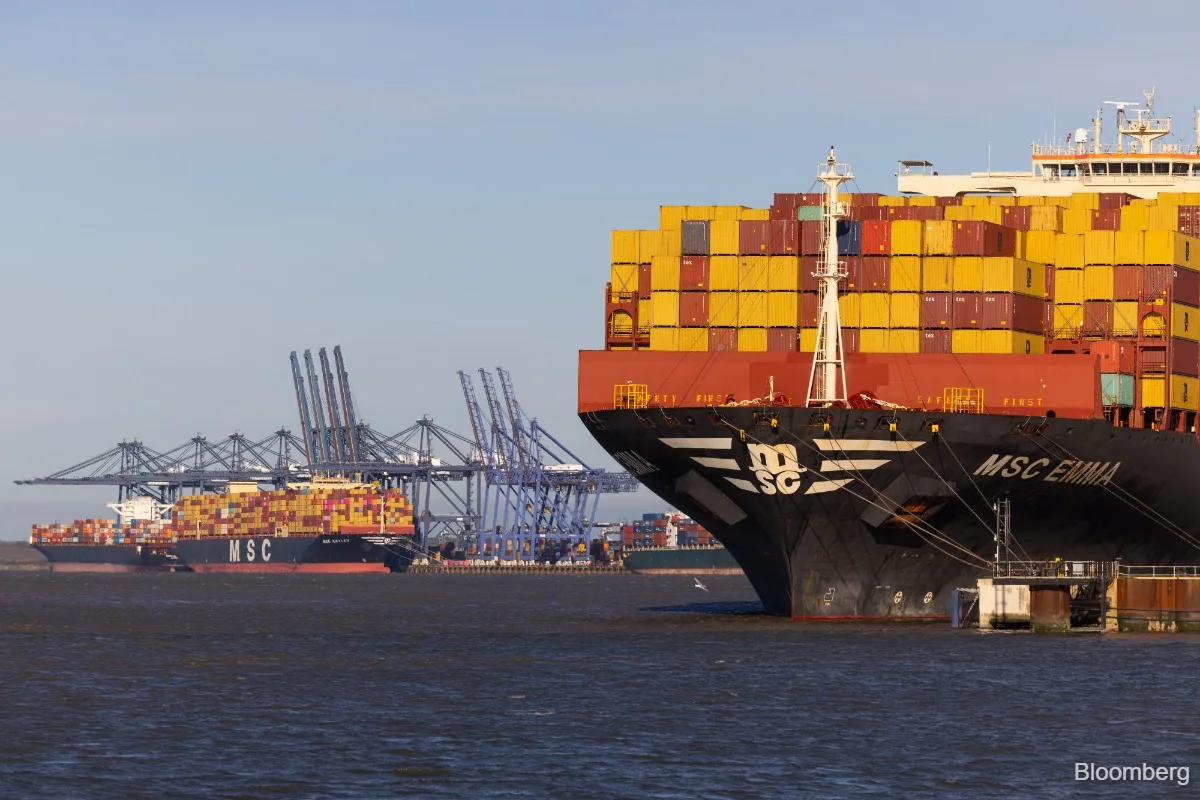
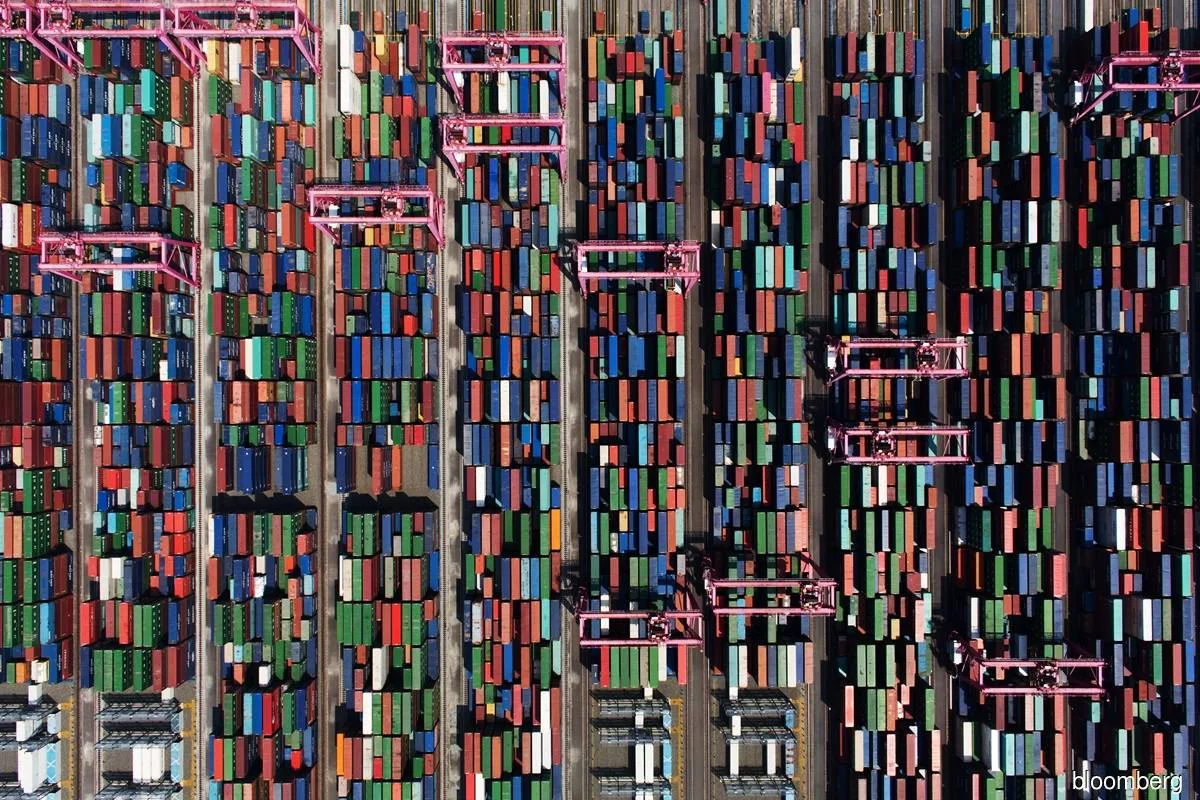
The deal eliminates tariffs on 93% of British exports to the GCC, covering key sectors such as food, medical equipment, defense, aerospace, and advanced manufacturing [2, 3, 4, 5]. UK exporters previously faced tariffs of 5% on most goods and up to 15% on items like chocolate and biscuits [2, 4]. The agreement will immediately remove £360 million in duties with a total of £580 million eliminated annually once fully enforced [3, 4, 5].
Economists estimate the deal will boost the UK economy by £3.7 billion annually by 2036 or 2040 and raise British wages by about £1.9 billion per year [6, 2, 3, 4]. Prime Minister Keir Starmer called it "a huge win for British business, and for working people who will feel the benefits in the years ahead through higher wages and more opportunities" [4]. He added, "The Gulf states are valued economic partners and this agreement deepens that relationship, building trust and unlocking new possibilities for trade and investment" [3].
The GCC states have a combined GDP exceeding $2 trillion and a population over 57 million [5]. Bahrain’s Industry Minister Abdulla bin Adel Fakhro described the deal as "a monumental achievement; it is quite significant for both the GCC and the U.K." [5]. He also highlighted the GCC's restrained response to regional tensions amid the US-Iran conflict, which stalled negotiations earlier this year [5, 1, 3].
A notable provision allows UK companies to store data outside the GCC region for the first time, facilitating digital trade [2]. However, the UK did not include a human rights chapter, drawing criticism from advocacy groups such as the Trade Justice Movement. Director Tom Wills said the omission was "especially alarming given the severe human rights abuses across the Gulf region" [2].
The complex talks faced delays due to investment clause disputes and were impacted by the US-Iran war breaking out in February 2026, which caused regional tensions and missile attacks [1, 3]. Earlier rounds included a UK delegation visit to Saudi Arabia in October 2025 and final negotiations in London on May 19, 2026 [1, 3]. GCC Secretary-General Jasem AlBudaiwi noted the "intensive rounds of negotiations and meetings between both sides" that led to the agreement [1].
This agreement marks the UK’s third major post-Brexit trade deal under Starmer, following deals with India and South Korea, and is the first free trade agreement between the GCC and a G7 country [2, 4].
The next step is for the UK government and GCC states to ratify the deal and formally bring it into force, after which tariff removals and other provisions will take effect.