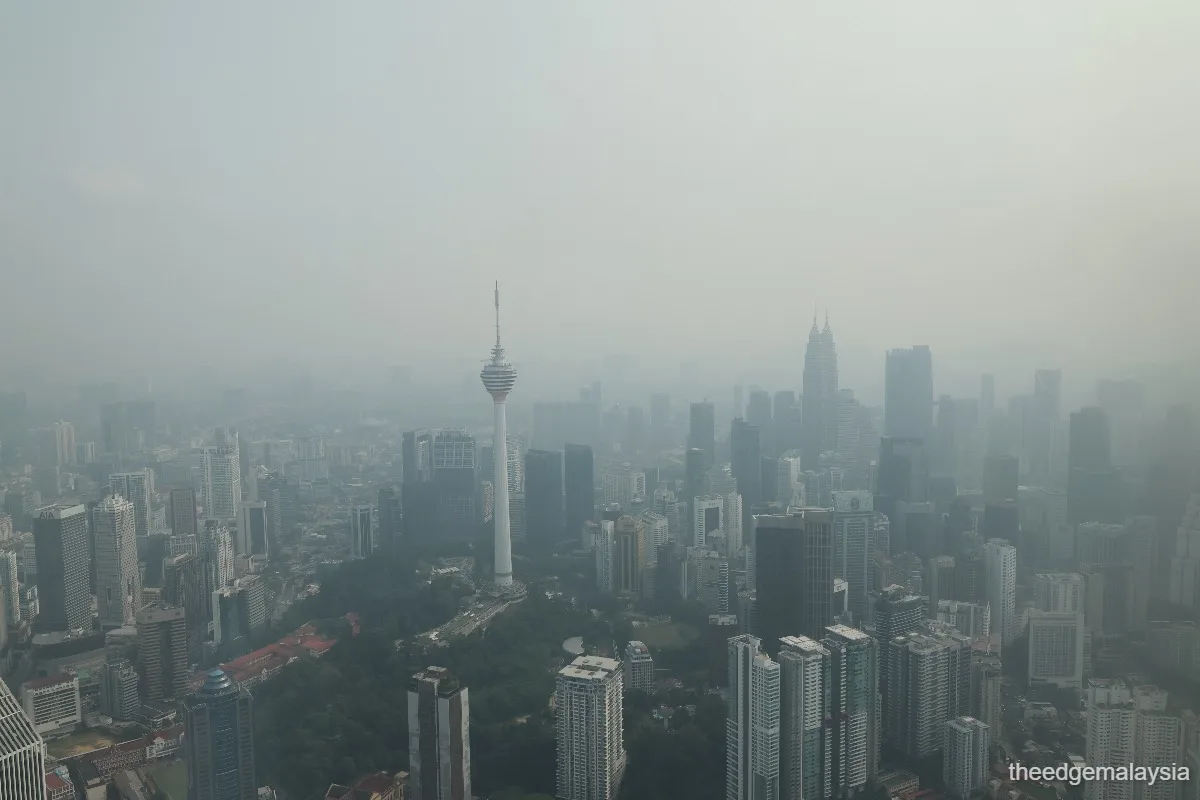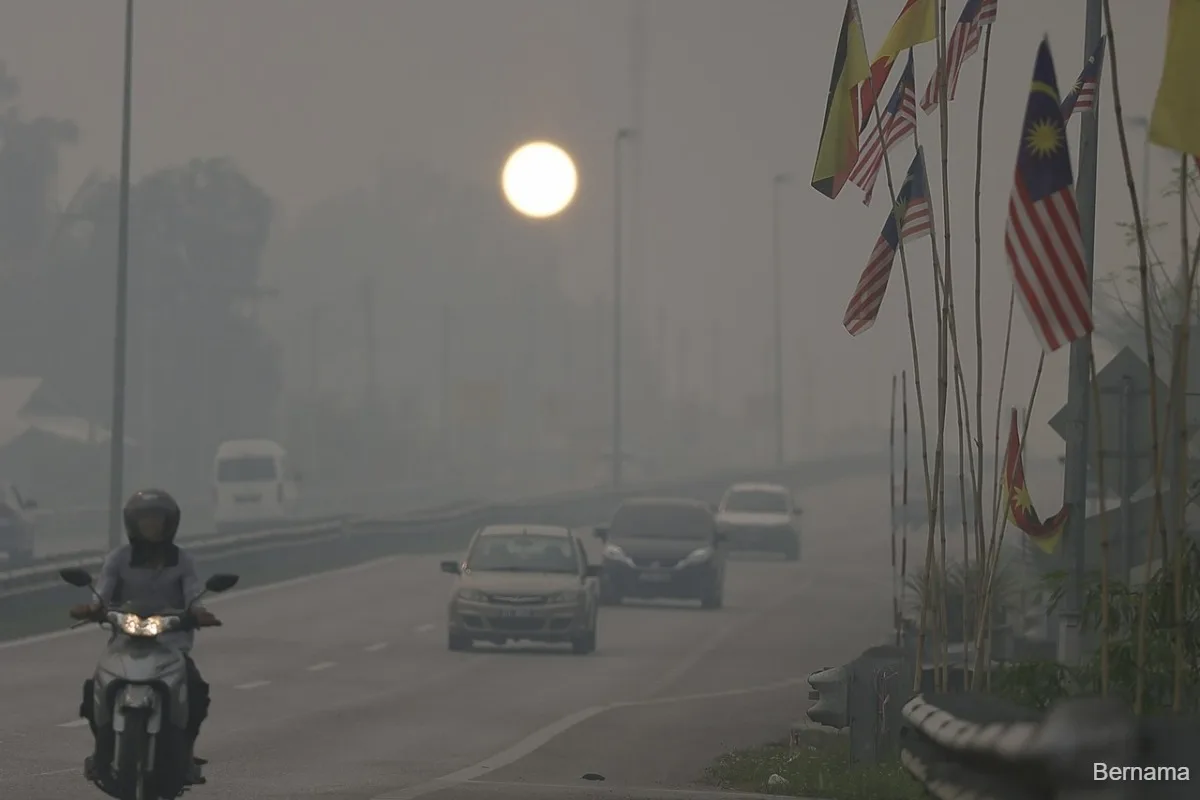
Malaysia experienced significant air quality deterioration due to transboundary haze from Indonesia, with hazardous Air Pollutant Index (API) readings reported in multiple areas yesterday and prior days [1, 2, 3]. Sarawak recorded the worst levels nationwide, with several districts such as Serian, Samarahan, Sri Aman, and Kuching reaching very unhealthy and hazardous API levels as of August 31 [1, 2, 3]. The highest hazardous reading was at Serian district police headquarters, where the API peaked at 475 on August 31, surpassing earlier readings of 364 on August 30 morning [3, 4, 5]. Other Sarawak locations reached hazardous levels, including Samarahan at 334, Sri Aman at 330, and Kuching at 324 [3]. Additional Sarawak areas like Sarikei, Sibu, and Mukah recorded very unhealthy readings during the period [6, 3, 7, 8, 4].
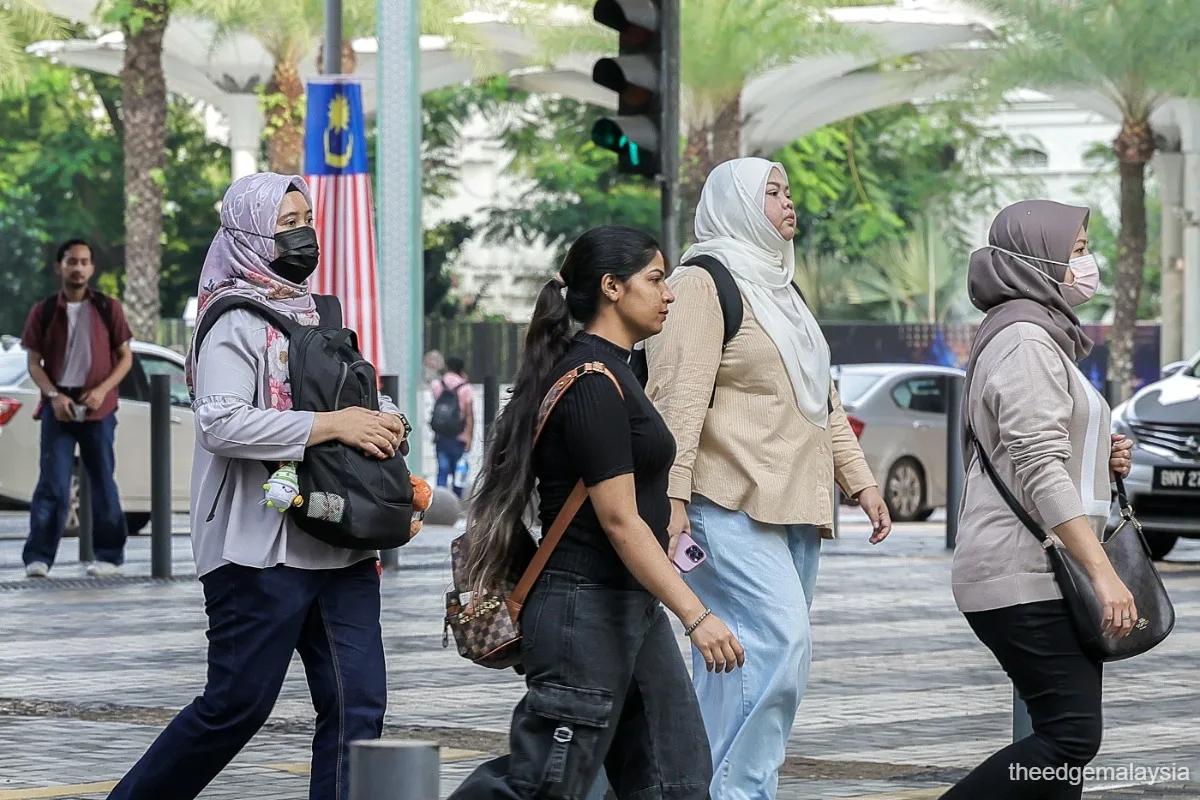
In Peninsular Malaysia, unhealthy air quality was recorded across several states including Selangor, Kuala Lumpur, Perak, Kedah, Penang, Negeri Sembilan, Johor, and Putrajaya, with APIs mostly between 100 and 160 [1, 2, 9]. Sabah reported one unhealthy area at Politeknik Kota Kinabalu with an API of 142 on the evening of August 30 [6, 10].
The Department of Environment (DOE) has intensified enforcement efforts and activated the National Open Burning Action Plan and National Haze Action Plan to monitor and mitigate the haze impact [1, 11, 10]. DOE deputy director-general Azuri Azizah Saedon said, "The quality of air in the country today was found to have deteriorated, with several areas on the west coast states of Peninsular Malaysia and Sarawak recording unhealthy API readings amid haze movement from various directions" [11]. Sabah DOE director Nor Rashidah Mohd Ghazali urged, "The public are urged to cooperate in putting out small fires and report cases of open burning or fires to the Fire and Rescue Department at 999 and the DOE toll-free line at 1-800-882727" [10].
Satellite images from the ASEAN Specialized Meteorological Centre and NOAA detected numerous fire hotspots in Kalimantan and Sumatra, Indonesia, which are the main contributors to the haze affecting Malaysia [1, 11, 7, 12, 10]. The ASMC reported "Moderate to dense smoke haze... over western parts of Borneo, while moderate smoke haze was observed drifting in the northwest direction from central parts of Sumatra into the western parts of Peninsular Malaysia" [7]. The number of hotspots ranged between 266 and 514 in Kalimantan and 164 to 176 in Sumatra during late August, depending on the report [1, 11].
Malaysia’s air quality data comes from 68 monitoring stations nationwide, providing hourly API readings classified as good (0-50), moderate (51-100), unhealthy (101-200), very unhealthy (201-300), and hazardous (above 300) [1, 2, 6, 3, 8, 10].
On August 31, four Sarawak districts recorded hazardous API levels, with Serian peaking at 475, one of the highest recorded in the country to date [3]. The DOE continues close monitoring and public advisories as the haze persists.