Iranian negotiators reported significant progress in peace talks with the US, expecting a final deal within 60 days [1, 2, 3, 4, 5, 6]. The US issued a 60-day license allowing Iran to sell oil internationally, providing Tehran a crucial economic lifeline during negotiations [7, 8]. Meanwhile, Iran closed the Strait of Hormuz again on June 19, which reduced vessel traffic compared to recent days [2, 3, 5, 6].
Asian stock markets rallied strongly in response to the peace-talk news. Japan’s Nikkei rose 1.9%, building on a nearly 8% gain last week, South Korea’s Kospi advanced 2.6%, up more than 11% last week, and Taiwan’s benchmark index surged over 3% [2, 3, 5, 6]. AI-related shares and the semiconductor sector were key drivers in South Korea and Taiwan, reflecting investor confidence in technology spending linked to artificial intelligence [3]. Glenn Yin, director of research at ACCM brokerage, said, “AI remains the strongest counterweight to geopolitics and higher rates,” noting the semiconductor and AI capital expenditure cycle benefits [3].
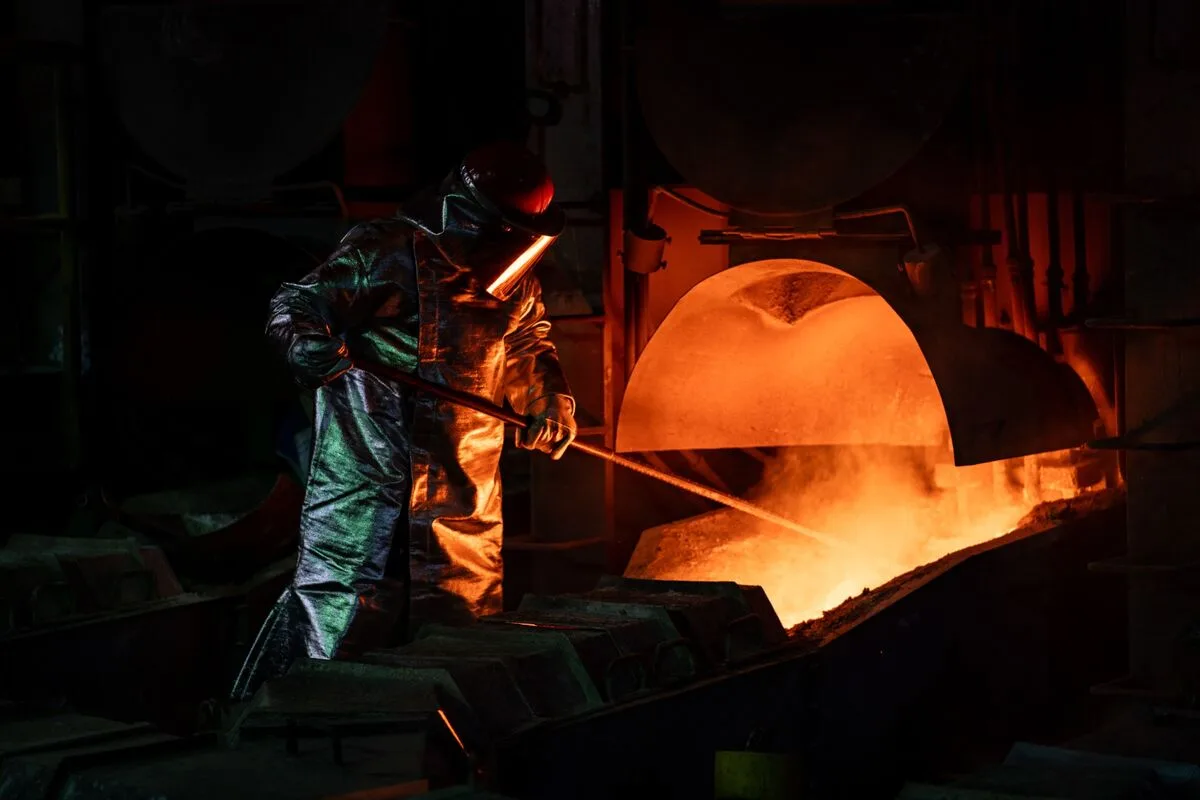
Industrial metals also gained. Copper prices increased 1.1% to about US$13,737.50 per tonne, while tin, nickel, and zinc rose following the positive outlook on US-Iran relations [1, 4]. Brent crude stood at US$80.17 per barrel, and US crude hovered near US$77.52 per barrel amid the geopolitical developments [2, 5, 6].
Despite progress, tensions persisted. US President Donald Trump threatened further attacks on Iran as talks continued, and Iranian officials disputed US Vice President JD Vance’s claim that Tehran agreed to allow nuclear inspectors back, calling the claim “false and does not reflect reality” [2, 7]. Vance described the first negotiation round as “very, very good” and highlighted Iran’s apparent concessions on inspections [7].
US Treasury yields rose after a hawkish Federal Reserve meeting, with markets pricing in a 75% chance of a rate increase as soon as September. Fabio Bassi of JPMorgan said the baseline expectation is patience until the second half of 2027 for hikes but noted rising risks of earlier increases due to inflation concerns [2, 5]. He added that improving labor markets would support continued strength in quality growth, large-cap, and tech stocks [5].
Wall Street’s S&P 500 had surged nearly 20% from lows linked to the war but saw recent declines in tech shares and SpaceX bond-related concerns. Matt Maley at Miller Tabak pointed to worries over low returns on AI investments and “circular investments” among tech firms [7, 8]. The SpaceX bond sale aims to raise at least US$20 billion [7, 8].
Iran’s closure of the Strait of Hormuz since June 19 continues to weigh on maritime traffic as peace talks proceed from June 20 to June 22. The next key timeline is the expected 60-day roadmap to a final peace deal, during which oil sanctions relief and diplomatic engagements will be closely monitored [2, 3, 7, 5, 6].