US import prices climbed 0.3% in June 2026 following a 1.7% increase in May that was revised upward from an initial 1.9% report [1, 2, 3]. On a year-over-year basis, import prices rose 7.1%, the largest annual gain since August 2022 [1, 2, 3]. The increase defied expectations amid easing energy costs.
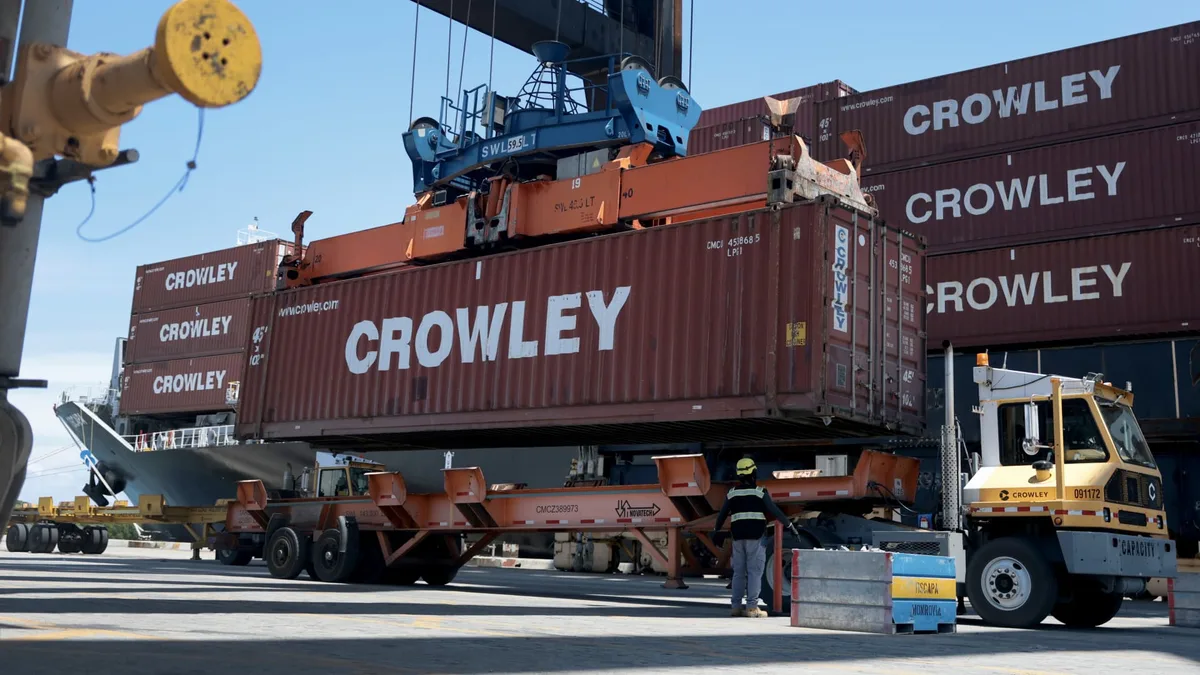
Prices for imported goods from China surged 0.9% month over month in June, the biggest single-month rise since January 2008. Over the past 12 months, Chinese import prices increased 1.3%, their largest annual gain since November 2021-November 2022 [2, 3]. The growth in Chinese import costs contributed significantly to overall US import inflation.
Excluding food and fuel, import prices increased 0.4% in June, supported by a 0.4% gain in capital goods prices. The latter was driven by strong demand for technology products related to artificial intelligence [1, 2, 3]. Imported consumer goods prices, excluding automobiles, also rose 0.3%, while prices for automotive vehicles, parts, and engines declined 0.1% [1].
Imported fuel prices fell 0.4% month over month but remained 44.1% higher than a year earlier [1]. Imported food prices eased by 0.2% in June [1]. Declines in fuel and energy prices offset some of the increases seen in capital goods and consumer products [1, 2, 3].
Meanwhile, overall US export prices dropped 0.6% in June 2026 for the first monthly decline since May 2025 but still rose 10.2% annually. Export prices to China fell 0.2% month over month but rose 7.4% year over year [2, 3].
Federal Reserve officials remain cautious on inflation risks despite the softer consumer and wholesale price readings in June, which were mainly due to falling energy costs amid briefly eased US-Iran tensions [2, 3]. Fed Chairman Kevin Warsh warned the June inflation data does not mean the Fed’s effort to reduce inflation is finished. He said, "He didn't view the softer June inflation reports as an indication that the central bank's work is finished in returning inflation back to the 2% goal" [2]. Dallas Fed President Lorie Logan said interest rates should be "modestly higher" to manage inflation [3]. Cleveland Fed President Beth Hammack noted, "貨幣政策仍有進一步緊縮的必要,‘這是我任內第1次聽到企業表示,他們認為我們需要採取行動抑制通膨;也是第1次聽到無法維持生計的消費者,表達日益加深的絕望感。’" [3].
The next key update on US import and export prices is expected with July data release later this summer.