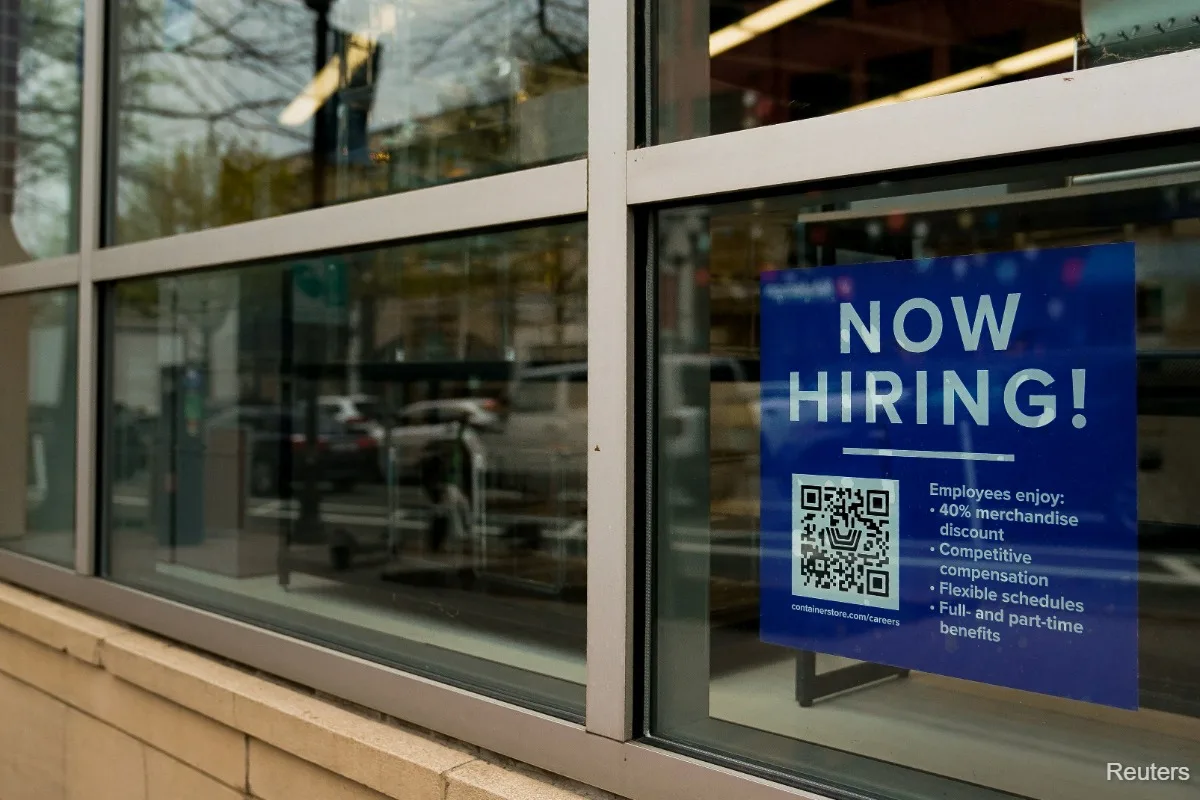
US job openings surged by 731,000 to 7.618 million in April 2026, marking their highest level since May 2024. The job openings rate rose to 4.6% from 4.2% in March 2026, driven mainly by professional and business services, which accounted for about 91% of the increase with 668,000 new openings. Health care and social assistance added 89,000 openings, while finance and insurance dropped by 134,000, accommodation and food services declined by 74,000, and retail trade fell by 43,000 openings the same month [1, 2].
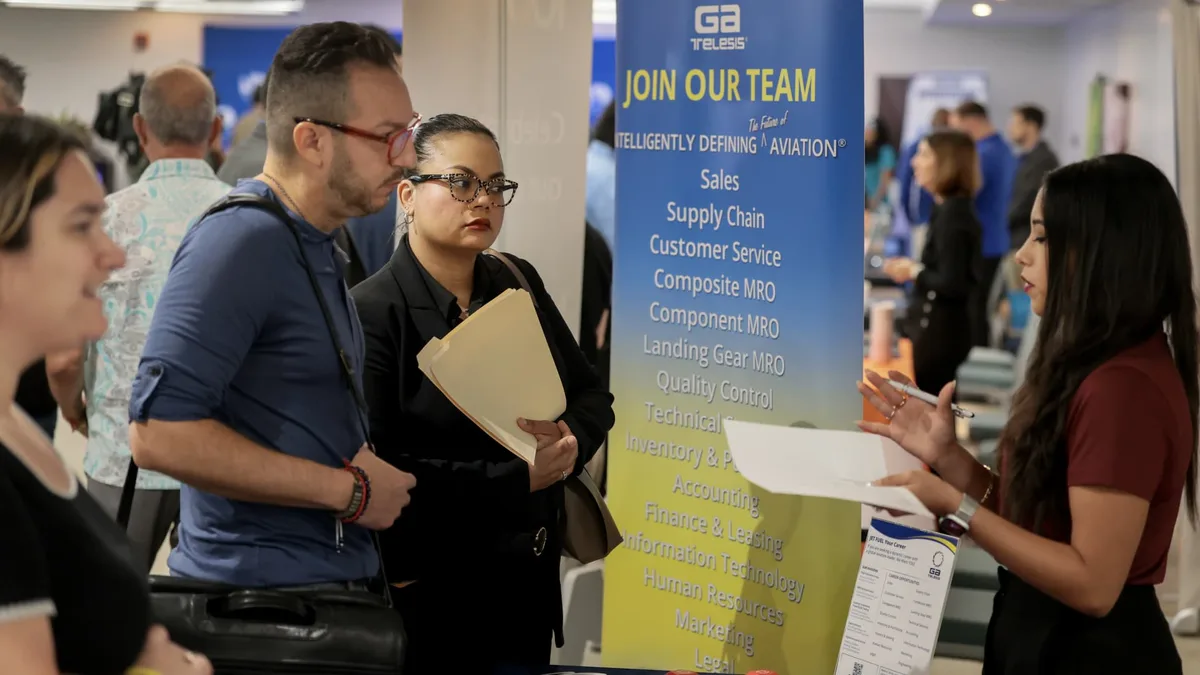
Nearly all of the 684,000 private-sector job openings growth in April occurred at businesses with one to nine employees. Despite the surge in openings, hiring weakened as only 5.12 million hires were reported in April, down 419,000 from March. The hiring rate also fell to 3.2%. Resignations dropped to just under 3 million, the lowest level since August 2020. Layoffs and discharges decreased slightly by 192,000 to 1.7 million [1, 2].
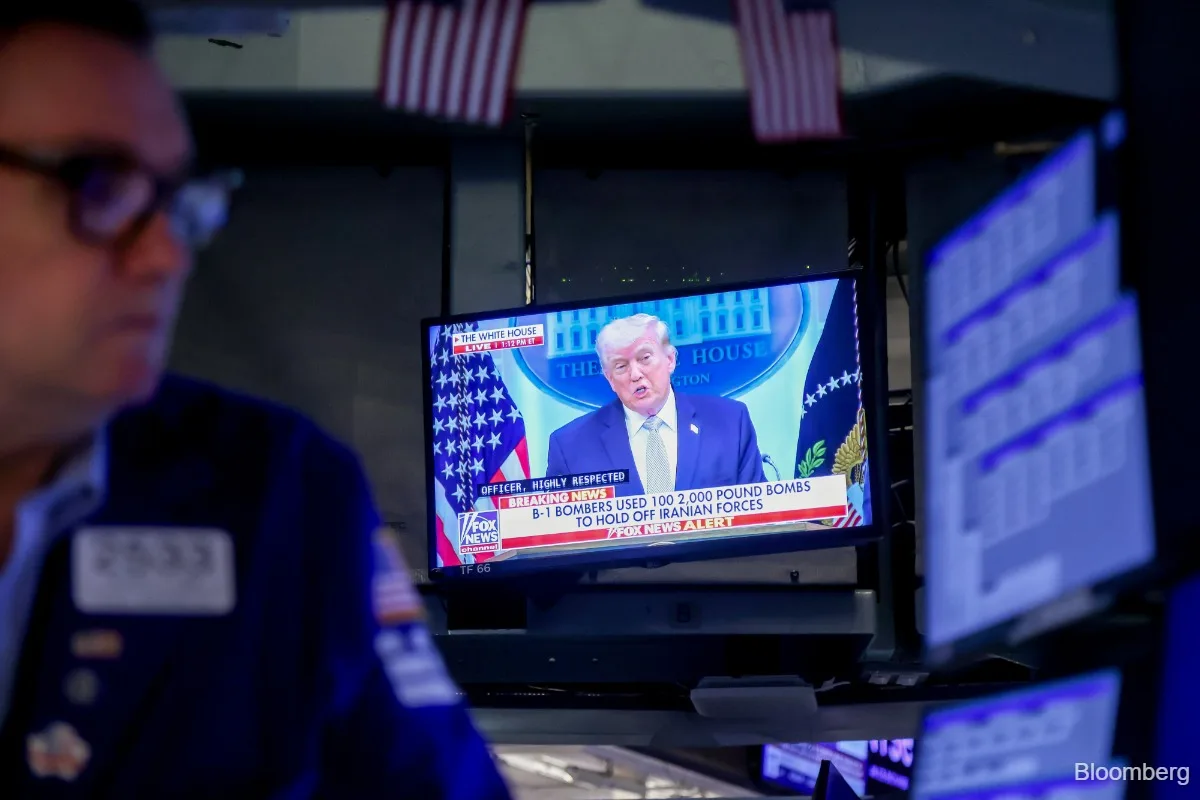
Economists link the cautious labor market to economic uncertainty from the ongoing US-backed war in Iran, which has pushed up oil prices and inflation pressures. Matthew Martin, senior US economist at Oxford Economics, said, "The labour market remains mostly stable. Without a concrete end to the war in Iran in sight, higher oil prices will reduce aggregate demand by crimping real incomes. Coupled with increased uncertainty, businesses are likely to pull back further on hiring intentions." Samuel Tombs, chief US economist at Pantheon Macroeconomics, noted revisions in prior months’ data, warning, "Sharp drops in openings in this sector in previous months have been revised away as more data have been collected. It is just as likely that April's big increase in openings also proves illusory." [1]
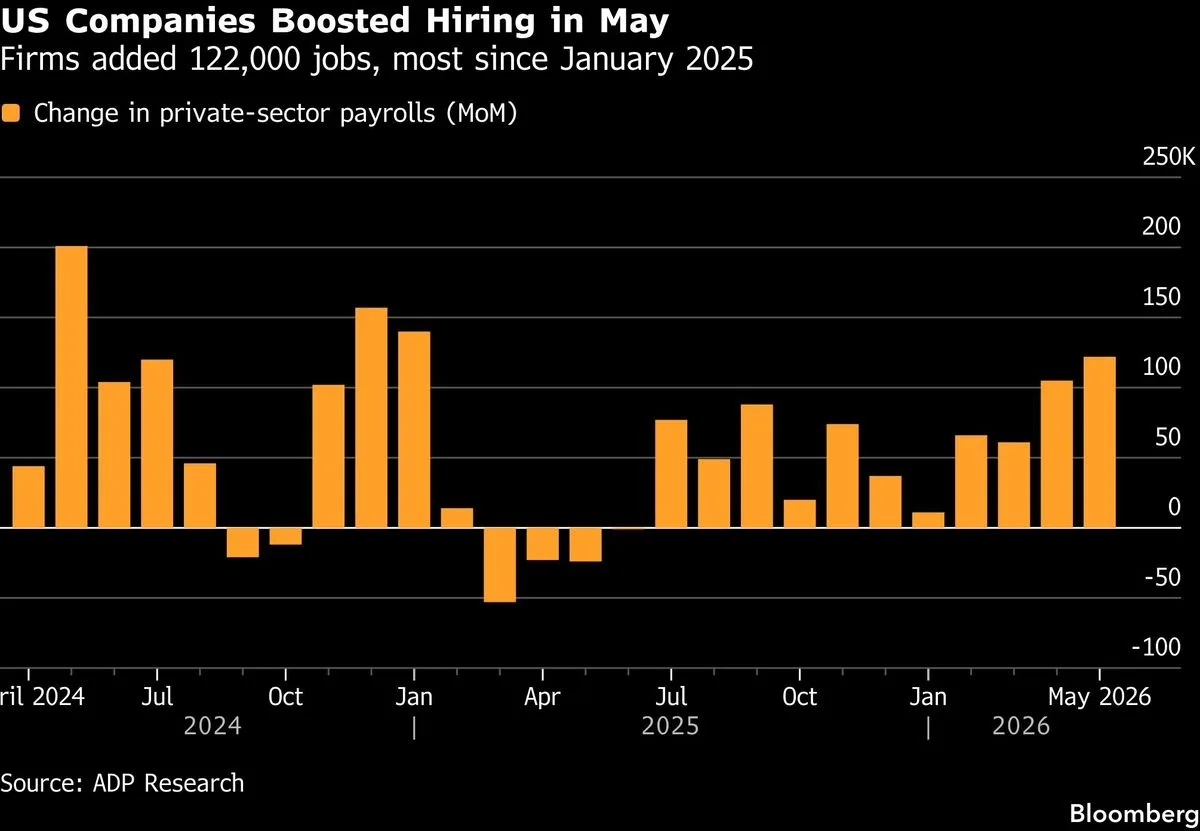
However, May 2026 brought some job growth. US companies added 122,000 private-sector jobs in May, the strongest monthly gain since January 2025, according to ADP data. Education and health services led with 57,000 new jobs, followed by trade, transportation, and utilities with 36,000 jobs added. ADP’s chief economist Nela Richardson said, "Hiring was more broad-based in May than we have seen in the last few years. The labour market continues to show sustained momentum going into the summer hiring season." [3]
The labor market remains mixed as April showed rising job openings but weakening hiring, while May payrolls pointed to some momentum. Analysts will closely watch upcoming job reports to determine if April’s surge in openings translates into sustained hiring or reflects more data volatility.