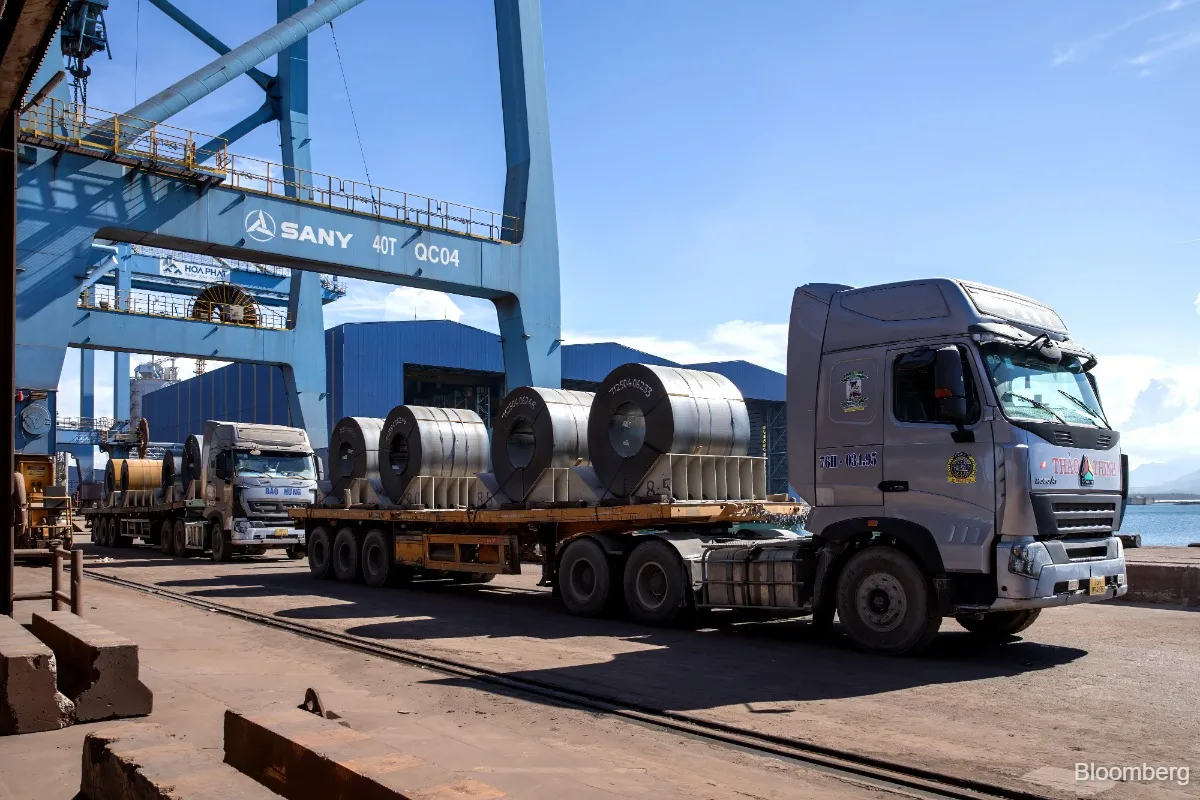
Vietnam recorded its largest-ever monthly trade deficit of $5.21 billion in May 2026, exceeding market estimates and the previous month's revised shortfall [1, 2]. Exports grew 18% in May, falling short of the 19.7% economists forecast, while imports soared 33.8%, driven mainly by higher costs for energy and semiconductor components [1, 2].
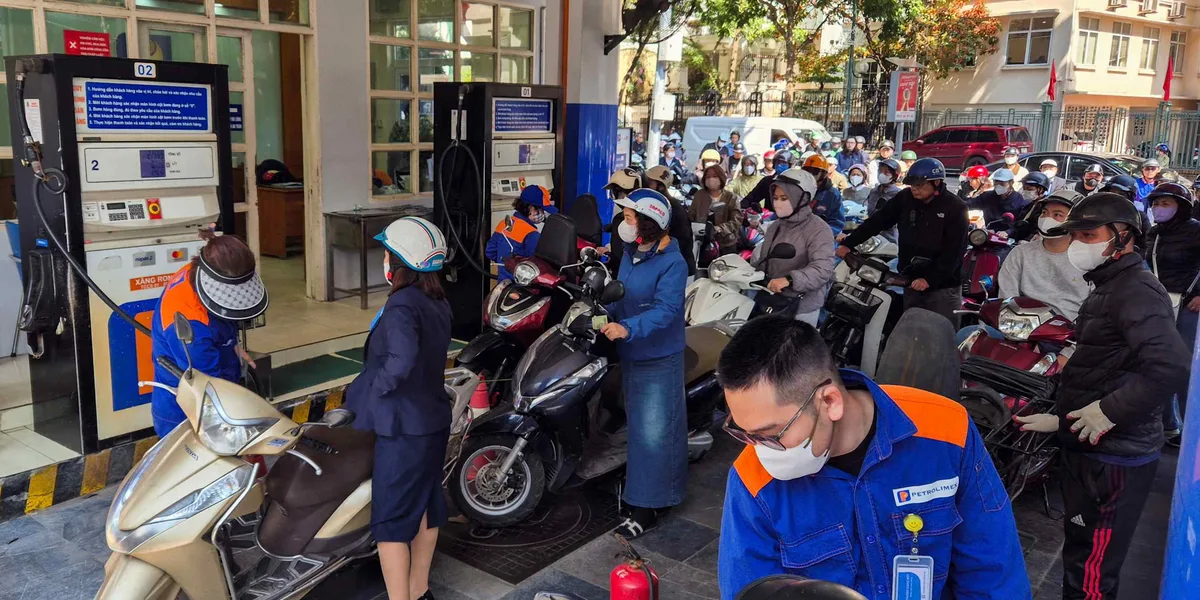
The country's cumulative trade deficit from January to May reached $13.8 billion, reversing a $5.1 billion surplus seen in the same period last year [1, 2]. Rising crude oil prices and input costs linked to the Middle East conflict have markedly increased import expenses for Vietnam's manufacturing-centered economy [1, 3, 2].
Vietnam’s Consumer Price Index hit its highest level since January 2020 in May, pushed up by surging fuel prices and growing electricity demand [3]. Pham Vu Thang Long, chief economist at Ho Chi Minh City Securities, said the "record high deficit will weaken the country’s balance of payments position and add more pressure on the dong and FX reserves" [1]. He noted the widening shortfall was largely due to "higher import costs for energy and semiconductor components," as companies boosted inventories amid global chip shortage concerns [1].
Vietnam’s trade surplus with the United States—the country’s largest export market—grew 21.1% to $6.04 billion from January to May 2026 [1, 2]. China remained Vietnam’s top import source, with imports worth $9.26 billion in the first five months of the year [1, 2]. Production inputs accounted for over 94% of total imports during this period, including a 57.1% jump in electronics, computers, and components [1, 2].
The government warned meeting the 10% economic growth target for 2026 will be challenging amid these headwinds [1, 2]. The United States has proposed new tariffs on imports from several trading partners, including Vietnam, based on forced labor investigations [1, 2].
Vietnam will report its second-quarter economic performance in July 2026 [1, 2].