Volkswagen on Tuesday announced plans to reduce its global workforce by up to 100,000 jobs, nearly half of which are expected in Germany, as the automaker faces severe cost pressures from slumping sales in China, rising Chinese competition, US tariffs, and high costs at German plants [1, 2, 3, 4].
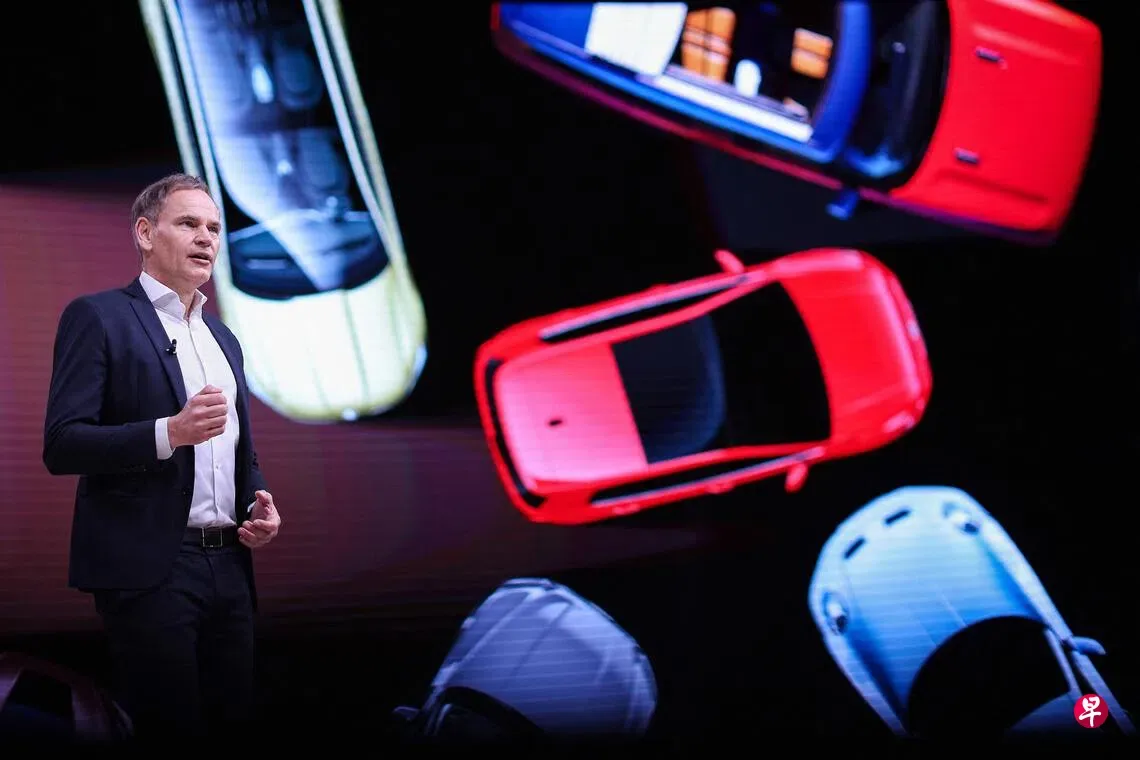
The company has already agreed to 50,000 job cuts, mainly affecting Volkswagen, Audi, and Porsche brands [2, 3, 4]. CEO Oliver Blume announced the plans during a speech at the Wolfsburg plant, where his remarks were met with boos and jeers from about 10,000 workers [2, 3, 4]. Blume warned, "If we carried on in Germany as we have been, we would be at a permanent disadvantage to the tune of €1.5 billion (RM7 billion) a year. We are under real pressure to act." He highlighted the need for restructuring to remain competitive [2].
Labor unions expressed frustration with Volkswagen management’s communication. Daniela Cavallo, chief of the VW Works Council, said, "Our trust in the board, in particular in its head Oliver Blume, has been damaged. You can't work with a CEO who doesn't tell his staff what's going on" [2]. The IG Metall union leader Christiane Benner acknowledged the challenges but pushed for cost savings through means other than layoffs, stating, "While we acknowledge difficulties from Chinese competition and US tariffs, cost savings should come through measures other than job cuts" [2].
Volkswagen’s restructuring includes plans to reduce European annual production capacity by 500,000 cars and simplify vehicle model and equipment variants to lower costs [1]. Three Volkswagen factories and one Audi plant in Germany face uncertain long-term futures amid the changes [2, 3, 4]. Meanwhile, competitors are expanding operations in lower-cost countries such as Hungary, adding pressure on German factories [2, 3, 4].
Employee meetings began Tuesday in Germany to discuss the restructuring, with CEO Blume and brand head Thomas Schäfer leading sessions in Wolfsburg [1].
The company is expected to continue negotiations with labor representatives as layoffs proceed. The announcements mark the start of a challenging phase for Volkswagen’s workforce and production footprint.