Australia’s top music charts, compiled by the Australian Recording Industry Association (ARIA), will exclude songs that are entirely generated by artificial intelligence starting August 21, 2026 [1, 2, 3, 4]. The new rules require songs to be "substantially human made" to qualify for chart placement [1, 2, 5, 6, 7, 3, 4, 8]. Tracks that use AI only as an auxiliary tool remain eligible, but fully AI-created works are disqualified from both the ARIA charts and ARIA Music Awards recognition [1, 2, 5, 6, 7, 3, 4, 8].
ARIA CEO Annabelle Herd said the changes aim to protect the "human nature of artistry" amid rapid advancements in AI technology. Herd added, "The ARIA Charts will always remain a transparent measurement of the music Australia consumes, but a chart that rewards unlicensed AI output would undercut the very basis of the recorded music we exist to represent" [1]. She urged radio broadcasters and other music promoters to support similar policies to safeguard human-created music [3].
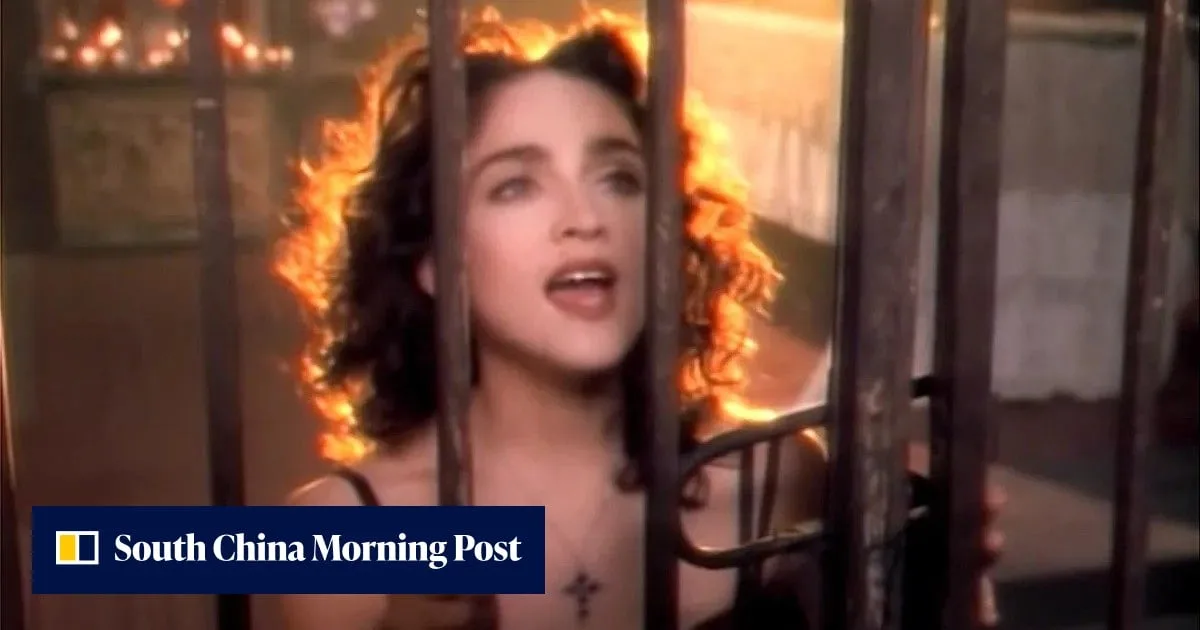
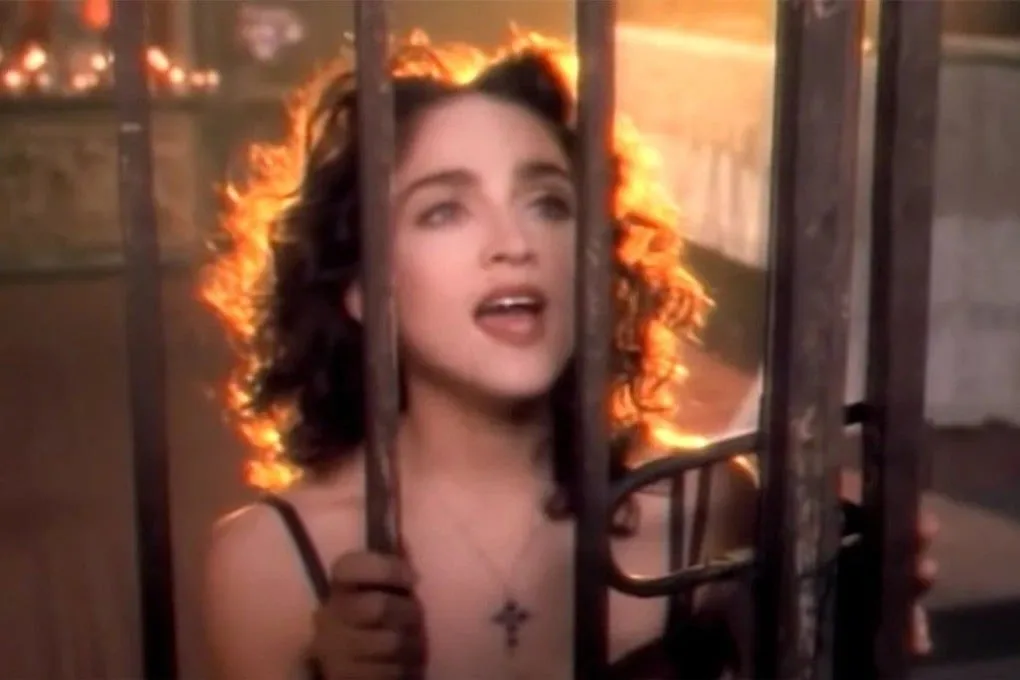
The crackdown follows a controversy in July 2026 when an AI-generated cover of Madonna’s "Like a Prayer" featuring AI vocals and drums topped Australian charts. The incident triggered concern over a surge of AI-generated music flooding the airwaves [1, 5, 6, 7, 4, 8]. Industry groups have developed a labeling system distinguishing "AI-Generated" tracks from "AI-Assisted" works, based on the extent of human involvement, which ARIA has adopted [5].
Streaming platforms have also responded. Spotify plans to introduce an "AI Persona" badge for AI-generated content, aiming to increase transparency for listeners [1, 6, 7, 4, 8]. Meanwhile, reports indicate more than one-third of new uploads to Apple Music are fully AI-created, raising questions about the future direction of music distribution [1, 6, 7, 4, 8].
ARIA’s policy change aligns with global industry recommendations advocating the exclusion of fully AI-generated music from official charts [3]. Herd concluded that these measures reflect ARIA’s intent "to remain dynamic and promote the human nature of artistry in what is – to say the least – a rapidly developing space" [1].
ARIA made the public announcement of the new AI-related rules and its rationale on August 25, 2026 [1, 2, 5, 6, 7, 3, 4, 8].