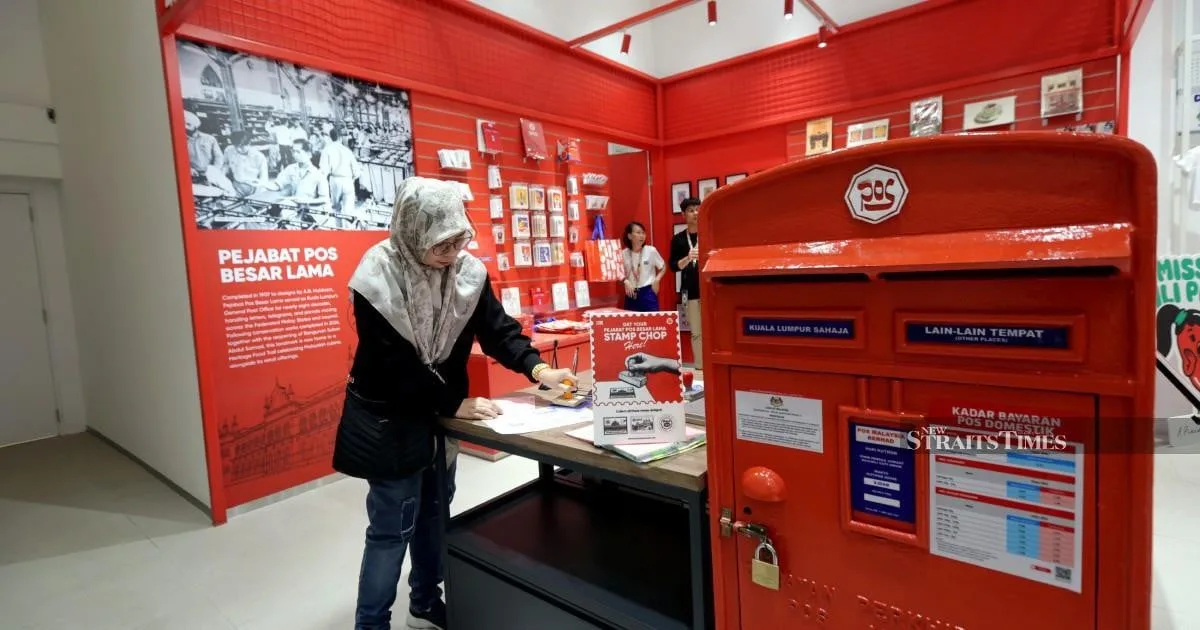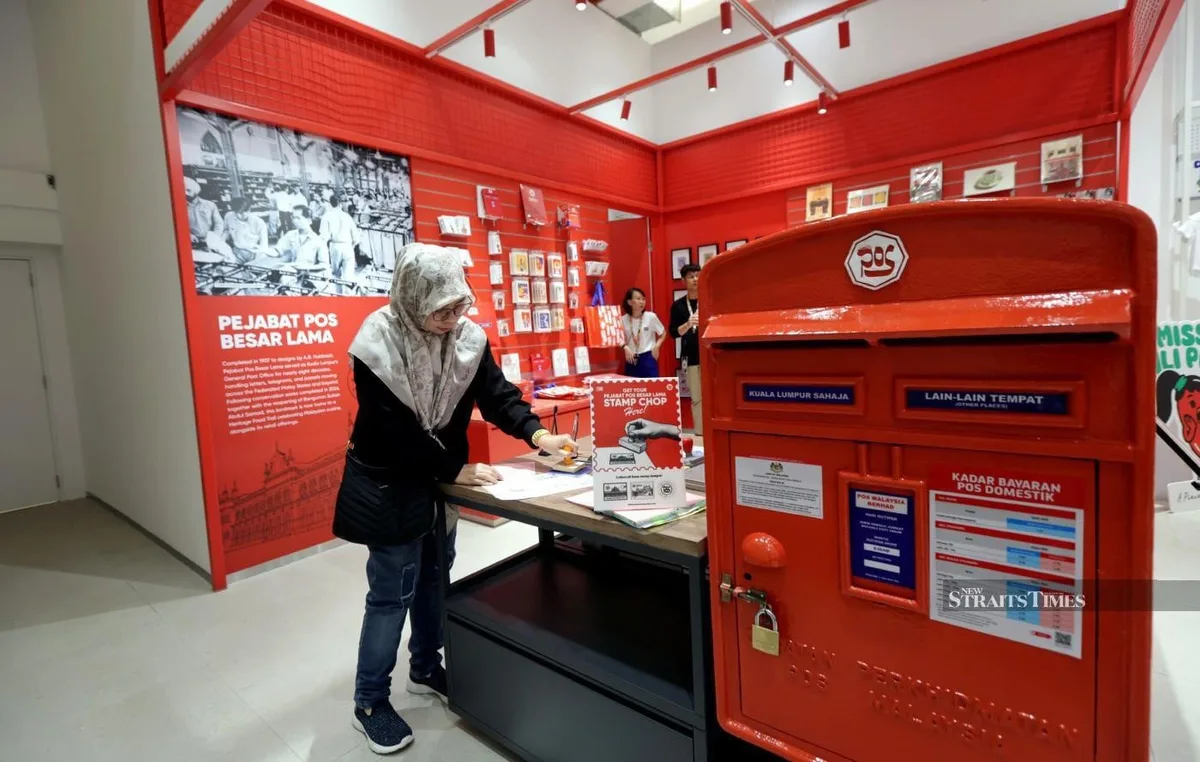
The Old General Post Office (GPO) in Kuala Lumpur officially reopened on May 23, 2026, following a 15-month restoration under Khazanah Nasional’s Dana Warisan initiative, part of the Warisan Kuala Lumpur heritage revival project [1, 2, 3, 4]. The building is the second restored block within the Bangunan Sultan Abdul Samad complex [1, 2].
Originally designed in 1902 by architect Arthur Benison Hubback, the Old GPO opened in July 1907 and served as the city’s main post office for much of the 20th century until postal operations moved to the Dayabumi Complex in the mid-1980s [1, 2, 3, 4]. From 1990, the building was repurposed for judiciary use, adding courtrooms [1, 2].
Khazanah managing director Datuk Amirul Feisal Wan Zahir said the reopening marks Khazanah’s third heritage restoration in Kuala Lumpur after Bangunan Sultan Abdul Samad Block 1 and Seri Negara [1, 2, 3]. He added, "Anchored in Malaysia's rich culinary traditions, including elements reflecting the country's wider intangible cultural heritage recognised by Unesco, the Old General Post Office demonstrates how heritage can remain relevant, inclusive and commercially sustainable for both present and future generations" [1].
The restoration is part of a wider RM600 million conservation effort covering eight heritage buildings in the Dataran Merdeka zone [3]. The Old GPO covers 49,888 square feet and is situated at the intersection of Jalan Hishamuddin and Jalan Raja, beside the Sultan Abdul Samad Building and opposite Dataran Merdeka’s flagpole [3, 4].
Constructed by Singapore contractors Walter Pallister in the Indo-Saracenic style without a dome, the building originally cost Straits $100,000 [4]. Hubback also designed Masjid Jamek and the Kuala Lumpur Railway Station, highlighting his lasting architectural influence in the city [4].
The restored Old General Post Office now houses eight local retail and dining brands including Niko Neko, A Piece of Malaysia, Oriental Kopi, Tannin Hill, Banglo 289, Saudagar, Ruai, and Kongsi Kreatif [1, 2]. These tenants aim to attract both locals and tourists while supporting local businesses [1, 2].
The reopening signals a step in ongoing efforts to preserve and reactivate Kuala Lumpur’s historic civic core and heritage landmarks [1, 2].