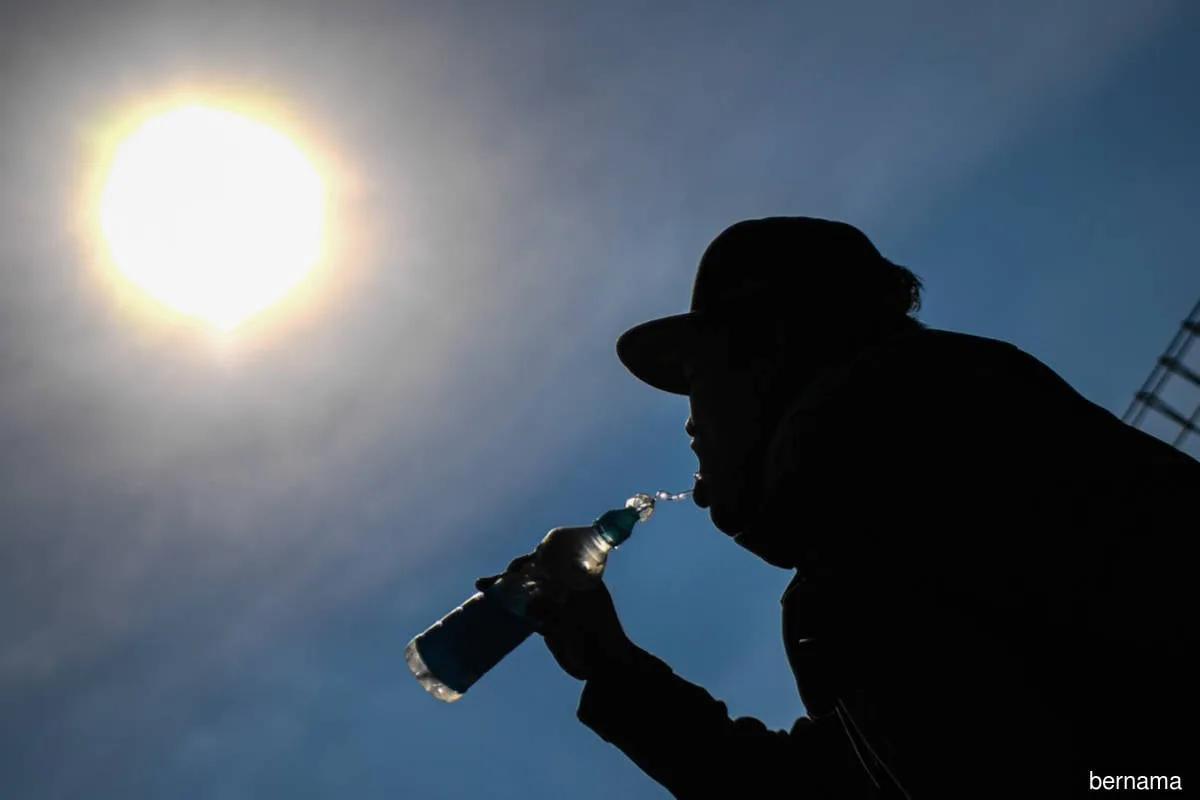
Malaysia is forecast to experience record high temperatures in 2027 as a super El Niño intensifies, potentially exceeding the local record of 40.1°C set in 1998 in Chuping, Perlis [1, 2, 3]. The Malaysia Meteorological Department expects the El Niño to peak between March and May 2027, bringing unusually high heat across the country [1, 2, 3].
El Niño forms when trade winds weaken and Pacific Ocean sea surface temperatures rise. This phenomenon is linked to extreme weather such as droughts, floods, and heatwaves [1, 2, 3]. The department anticipates significantly lower rainfall and hotter conditions nationwide, especially in northern Peninsular Malaysia, Sabah, and Sarawak [1, 3]. Sabah is historically more vulnerable to El Niño effects due to its proximity to the Pacific Ocean [1, 3].
Average temperatures in Malaysia have risen since the 1980s, with peaks often coinciding with super El Niño events [1, 2, 3]. Global warming also contributes to the overall temperature increase alongside the El Niño cycle [1, 3]. Mohd Hisham Mohd Anip of the meteorological department said, "Based on this data, we can expect it's going to be another big spike" in temperatures [3].
Preparations to mitigate the impact of the super El Niño are urged starting in November 2026 when the event is expected to develop [4]. Tan Sri Lee Lam Thye highlighted that "previous El Niño episodes had demonstrated that prolonged hot and dry weather could trigger water shortages, forest and peatland fires, transboundary haze, reduced agricultural yields, food security concerns, health risks and disruptions to economic activities" [4].
Vulnerable groups such as senior citizens, children, outdoor workers, and individuals with chronic illnesses face higher risks during prolonged extreme heat [4]. Suggested measures include stricter monitoring of open burning, establishing cooling centres, boosting public awareness campaigns, and improving coordination among government agencies [4].
The super El Niño development is expected from November 2026 and peak by May 2027, setting the timeline for authorities and communities to implement these measures [4, 1, 2, 3].