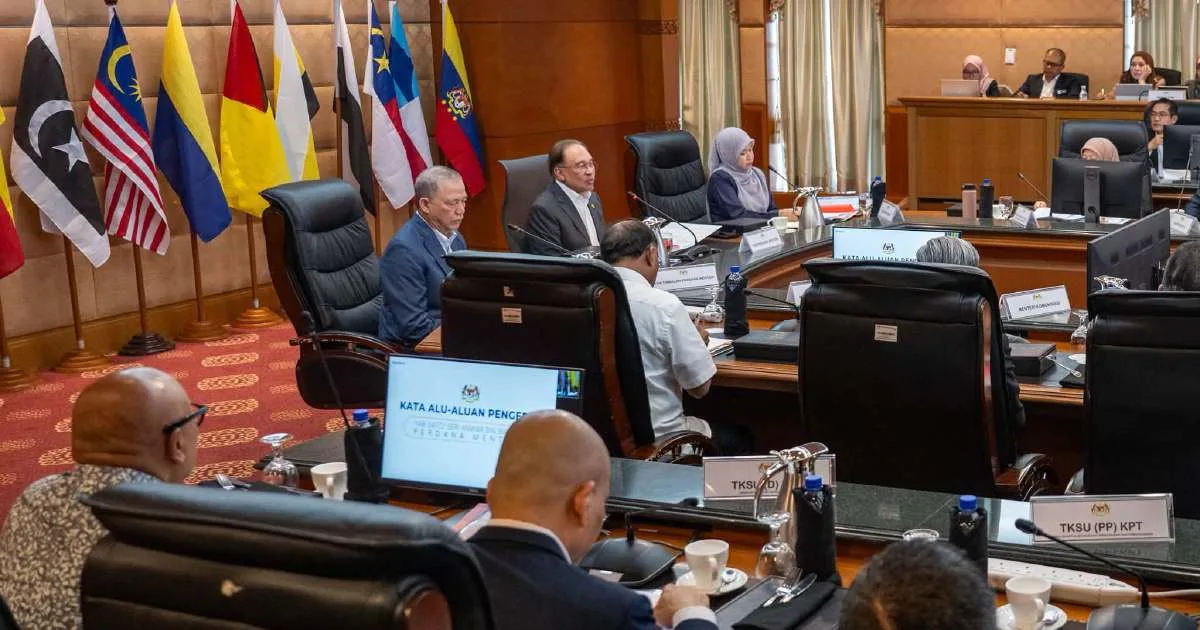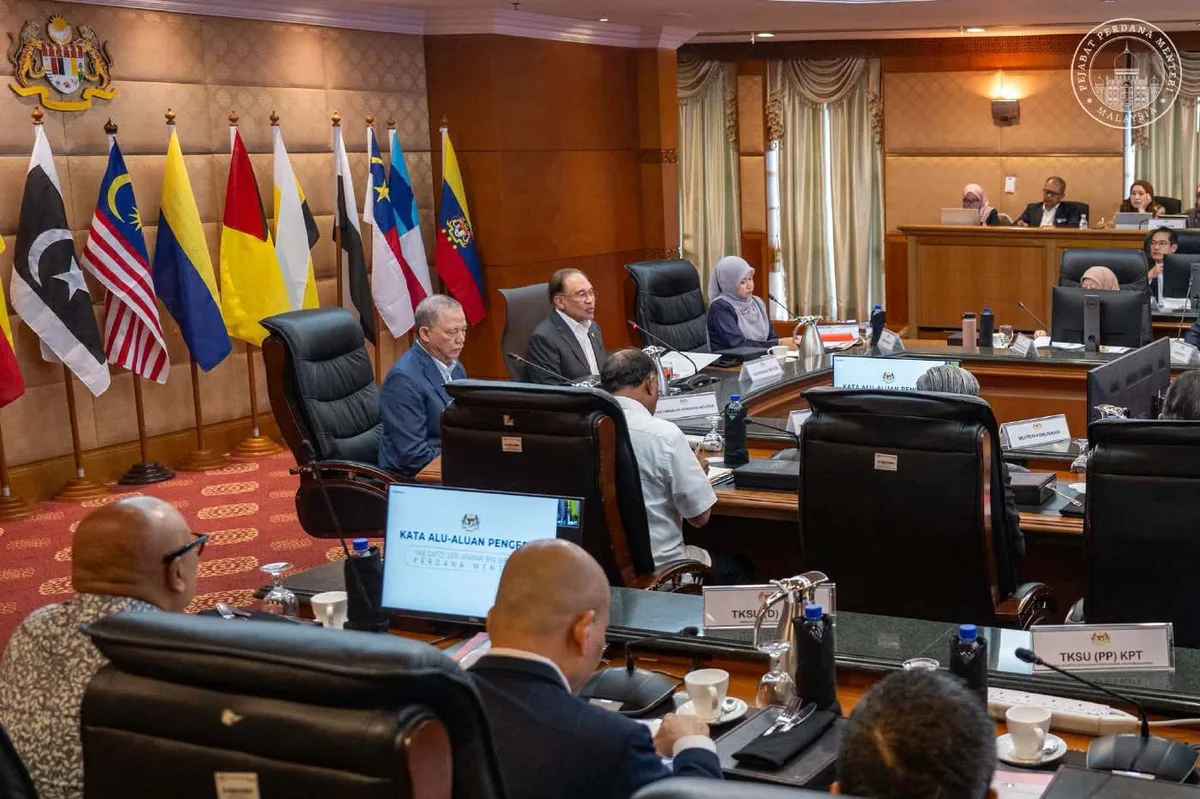
Malaysia established the National Education Council in 2026 to oversee comprehensive reforms targeting curriculum improvement and modernization of educational content across the country [1, 2, 3]. Prime Minister Datuk Seri Anwar Ibrahim chairs the council and highlighted a dual focus on strengthening English proficiency as a second language while preserving Malaysian values, culture, the national language, and moral principles [1, 2, 3].
The council's first meeting reviewed strategies for both school and higher education. It aims to improve education quality at the district level, empower the Bumiputera education agenda, and build a pipeline of STEM talent to meet future demands [1, 2, 3]. Anwar stressed, "A culture of complacency with the existing system must not hinder progress. More importantly, we must be prepared to embrace change, undertake bold reforms and continue elevating the quality of national education to a higher level" [3].
Student safety has become a key priority for the Ministry of Education (MOE). The MOE expanded CCTV coverage to 333 schools in 2026 and began appointing 300 hostel wardens starting April 1 to enhance safety monitoring during night hours [4]. On June 11, the Safe School Management Guidelines and School Student Protection Policy were launched as frameworks to strengthen physical, social, and emotional safety for students [4]. The Anti-Bullying Act 2026 took effect on June 16, with MOE updating its bullying handling procedures accordingly [4]. Minister of Education Fadhlina Sidek said, "Each case will be looked into separately as it involves many factors, not only safety issues but also the psycho-emotional and mental state of the children" [4].
Kuala Lumpur police have expanded their student discipline and character-building program from secondary to primary schools starting 2026. Police chief Datuk Fadil Marsus noted, "Bullying and gangsterism are our priority… The programme will continue, covering all schools, with the active involvement of all school liaison officers and ongoing two-way communication between the education authorities and the police" [5]. Police also warned against gangsterism infiltration and committed to cracking down on social media misuse promoting cigarettes and vaping targeting students [5].
Parental groups advocate focusing on digital literacy and critical thinking education rather than technology restrictions. Vatsala Nair Manoharan, founder of Moms Village Asia, said, "Restricting access alone does not build resilience. Equipping young people with digital literacy, critical thinking, and support systems creates safer, more responsible online communities" [6].
Recent timeline events include the hostel wardens appointment beginning April 1, launch of safety guidelines on June 11, the Anti-Bullying Act effective June 16, the council's formation announced July 1, police expansion of character-building programs to primary schools on July 2, and a parent digital safety training event on July 3 [1, 2, 4, 5, 6, 3]. The National Education Council continues reviewing policies with input from diverse stakeholders to prepare future generations for evolving educational challenges [1, 2, 3].