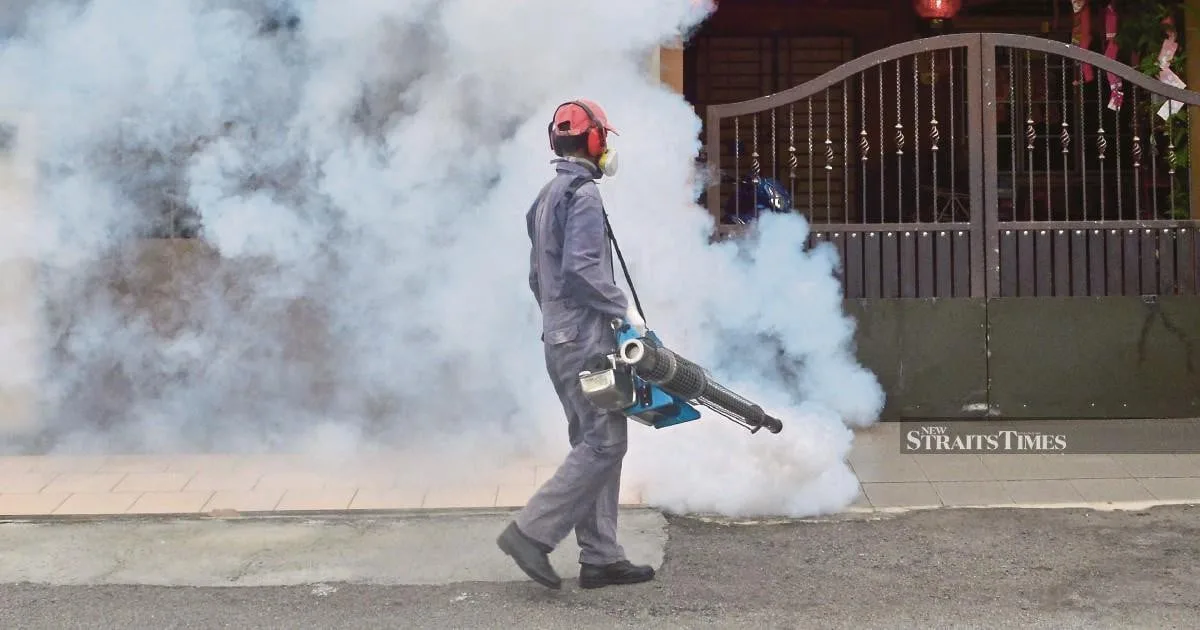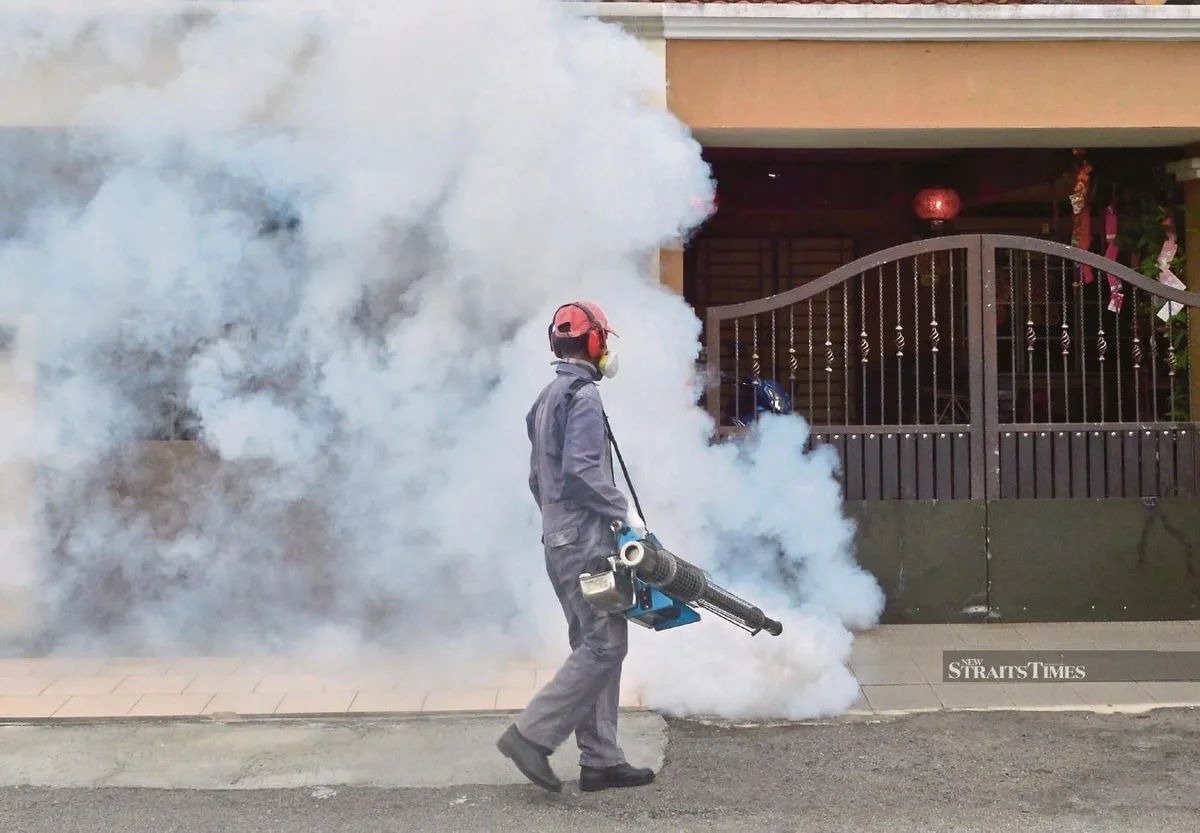
Malaysia reported 42,848 dengue cases nationwide as of August 9, 2026, a 34.8% increase from 31,790 cases during the same period last year [1, 2, 3]. Dengue-related deaths rose by 78.9% to 34 compared to 19 deaths in 2025 for the same time frame [1, 2, 3].
About 63.5% of all cases were concentrated in Selangor, Kuala Lumpur, and Putrajaya. Selangor alone recorded 19,313 cases, a 43.2% rise from last year. Kuala Lumpur and Putrajaya collectively reported 7,909 cases, representing an 83.8% increase [1, 2, 3]. Other states including Johor, Sabah, Negeri Sembilan, Perak, Sarawak, Perlis, Terengganu, and Labuan also showed higher case counts compared with 2025 [1, 2, 3].
The Ministry of Health said the Klang Valley remains Malaysia’s main dengue hotspot and needs "more intensive and coordinated control measures" [1]. The rise aligns with the typical 3 to 5-year cyclical pattern of dengue outbreaks in endemic countries [1, 2, 3]. Factors behind the surge include changes in population immunity, dominant virus serotypes, weather conditions promoting mosquito breeding, urbanisation, population movement, environmental factors, water containers, vector control coverage, and community participation [1, 2, 3].
While some states recorded fewer cases compared to last year, the ministry cautioned against complacency noting "the situation can change rapidly depending on epidemiological, environmental and weather conditions" [2]. The ministry will continue dengue prevention efforts through an Integrated Vector Management framework involving surveillance, early outbreak detection, vector control, risk communication, community empowerment, law enforcement, and continuous monitoring [1, 2, 3].