Malaysia's health inflation rate reached 3% in 2025, up from 1.4% in 2024, mainly due to higher healthcare service costs and a 9% increase in insurance spending, officials reported [1, 2, 3, 4, 5, 6]. The Health Services category in the Malaysia Health Price Index (IHK) recorded the highest rise within the sector at 4.4% compared to 0.9% in 2024 [1, 2, 3, 4, 5, 6]. Inflation for medicines increased to 2.7% from 2.2%, while health equipment inflation doubled to 1.2% from 0.6% in the same period [1, 2, 3, 4, 5, 6]. Medicines remain the largest household health expense, accounting for 38.9% of the IHK weighting [1, 2, 3, 4, 5, 6].
Datuk Seri Dr Mohd Uzir Mahidin, Chief Statistician, said, "The statistics can help the government, stakeholders and the public identify trends in healthcare cost changes, supporting more effective planning, implementation and monitoring of health inflation. The IHK also complements the government’s efforts to improve healthcare service delivery by providing more comprehensive and relevant statistics to meet current needs." [1]
Compared regionally, Malaysia's health inflation rate in 2025 was among lower rates, with Vietnam at 5.3% and Thailand showing deflation at -0.8% [1, 2, 3, 4, 5, 6].
Meanwhile, Malaysia reported 38,854 dengue cases as of June 27, 2026, a 29.1% increase compared with the same period in 2025 [7, 8, 9]. Dengue-related deaths rose sharply from 18 to 30, a 66.7% increase year-on-year [7, 8, 9]. Authorities attribute the rise to a shift in the dominant dengue virus serotype from DENV-2 to DENV-3, urbanisation, climate factors, persistent mosquito breeding sites, and increased population movement [7, 8, 9].
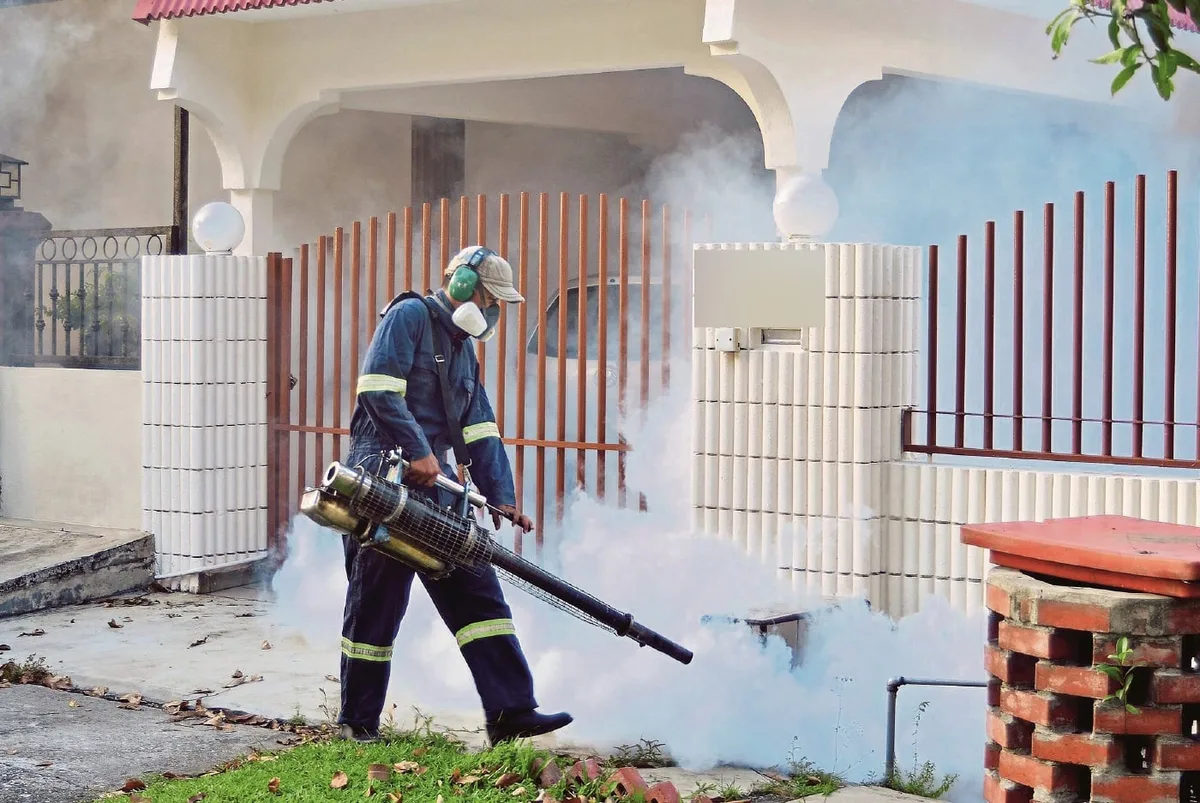
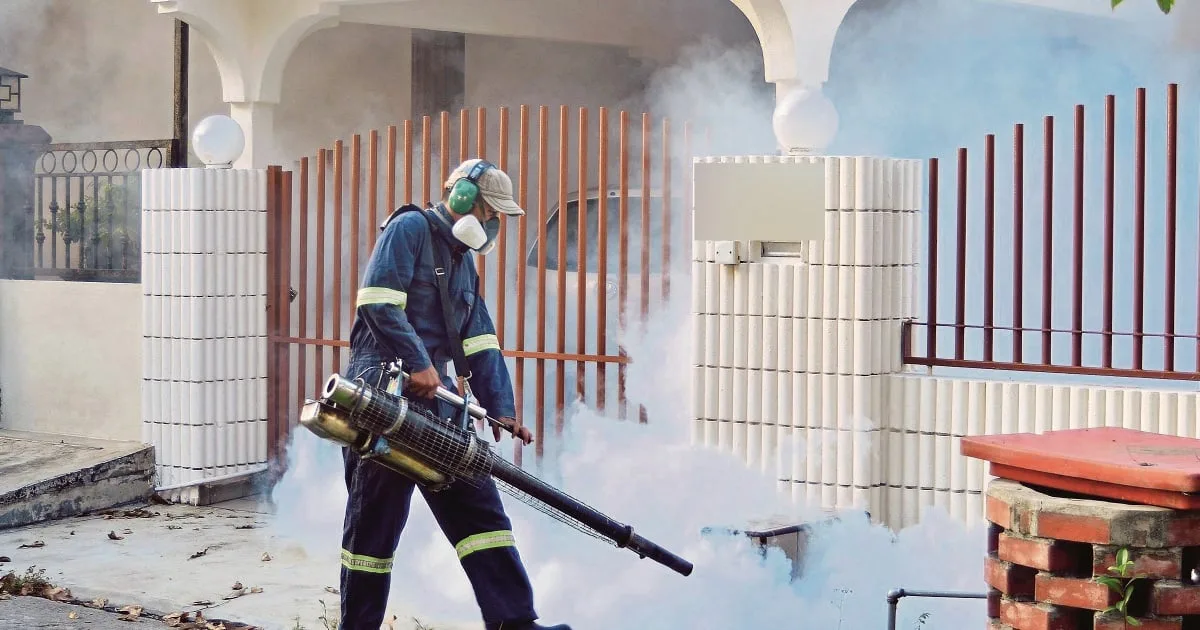
The outbreak remains consistent with Malaysia's normal cyclical dengue transmission pattern and is still considered under control [7, 8, 9]. The Health Ministry has intensified vector-control measures, including targeted fogging, expanded Targeted Outdoor Residual Spraying (TORS) in persistent hotspots, and community programs through Komuniti Bebas Denggi (KomBeD) [7, 8, 9]. A ministry spokesman said, "The ministry does not base its public health interventions on fear, but rather on data-driven assessments and scientific evidence." [7]
Digital surveillance systems are being upgraded with climate, rainfall, temperature, and geospatial predictive tools to identify high-risk areas earlier [7, 8, 9]. Malaysia also collaborates with regional partners such as Singapore and Thailand on dengue surveillance and public health responses [7, 8, 9]. Although Malaysia's dengue incidence is higher than Singapore and Thailand, transmission remains manageable in all three countries [7, 8, 9].
Malaysia's health inflation rise in 2025 and dengue surge by mid-2026 reflect ongoing challenges in healthcare costs and infectious disease control within the country. Dengue surveillance and vector control efforts continue to intensify to mitigate further outbreaks [1, 7, 8, 2, 3, 4, 5, 6, 9].