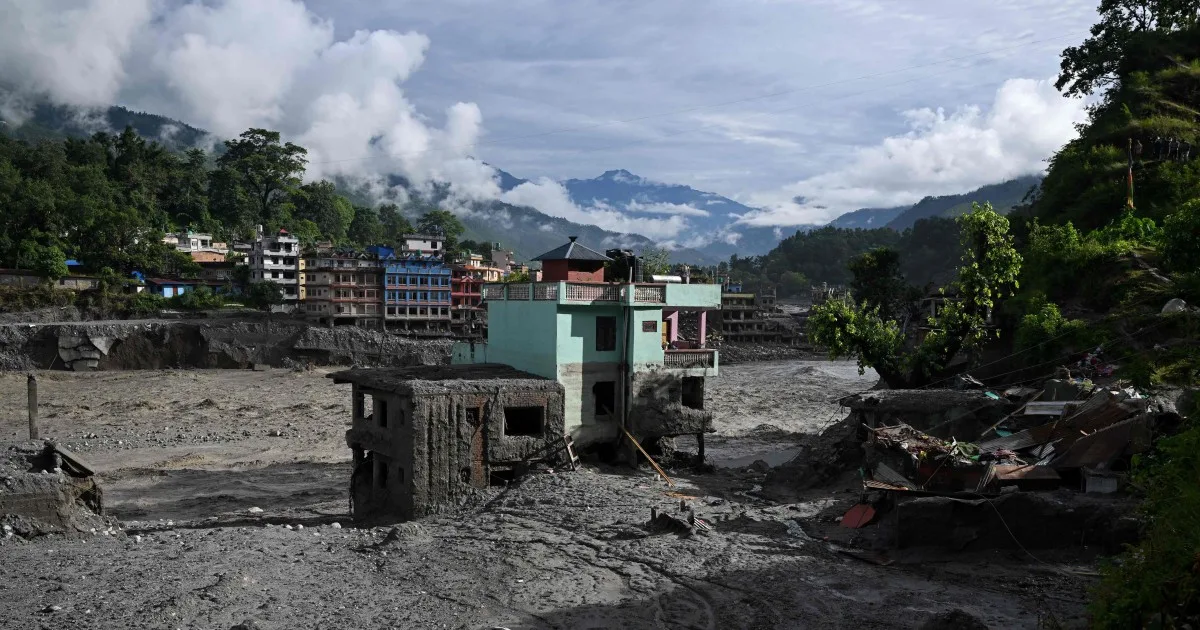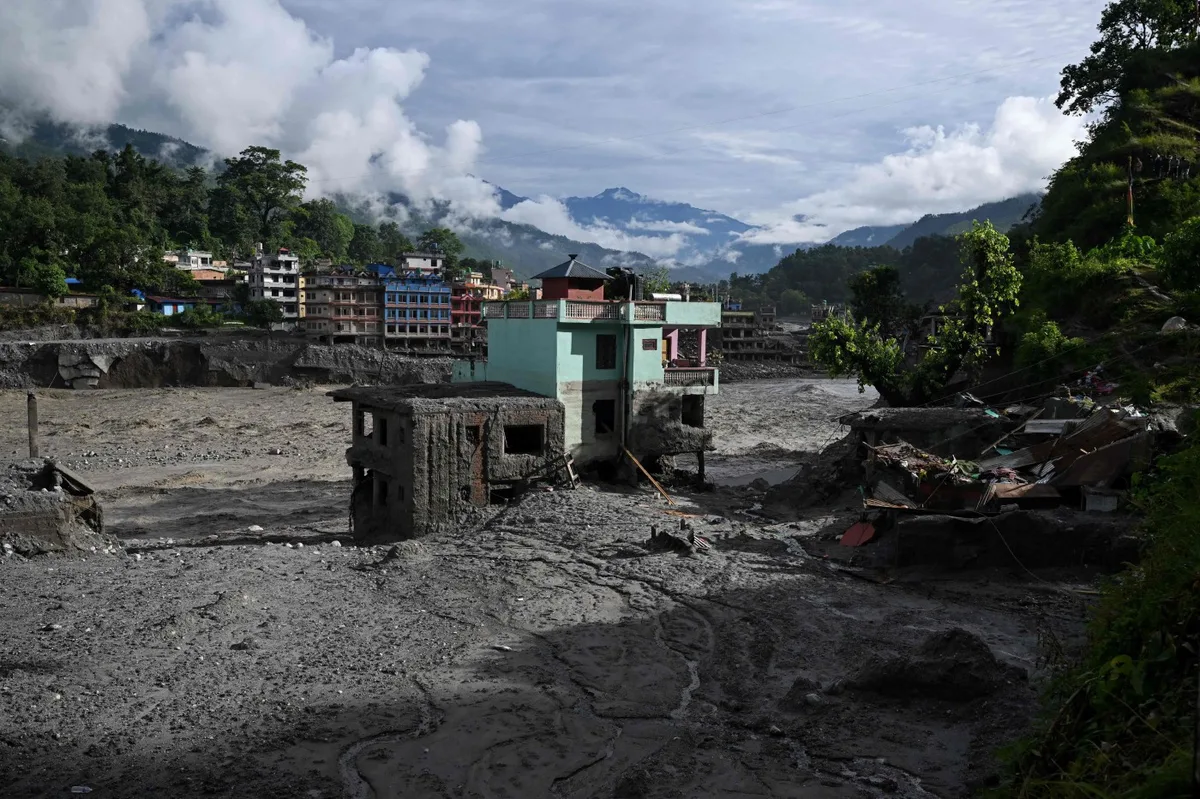
The Special Malaysia Disaster Assistance and Rescue Team (SMART) is ready to deploy to Nepal to aid in search and rescue efforts following catastrophic floods and landslides on August 26. The floods severely affected Nepal’s Rasuwa District and downstream regions, triggered by a glacial collapse that sent water, mud, and debris through several river systems including the Bhote Koshi [1, 2, 3, 4, 5].
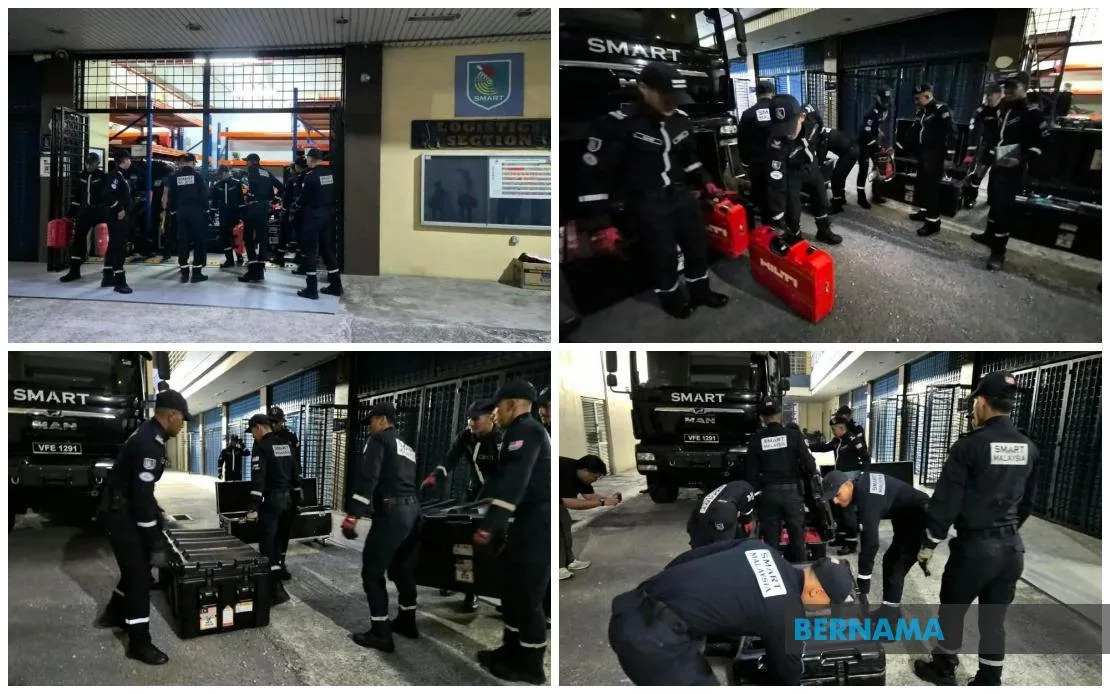
Prime Minister Datuk Seri Anwar Ibrahim announced the government's decision to send SMART to assist with rescue operations and help repatriate affected Malaysians [1, 2, 4]. However, Nepal has yet to grant approval for SMART to deploy, despite the Malaysian team's readiness [1, 2]. SMART is prepared to deploy teams of varying sizes—from light to medium or skeleton crews—depending on Nepal's specific requests for SAR or humanitarian support [2, 4].
Senior Fire Superintendent I Abdul Manaf Che Isa, SMART Commander, said the team is fully equipped physically and mentally, with logistical preparations including specialized equipment and communications on standby. He added that the current focus in Nepal is tunnel rescue coordinated by China, India, and Korea [2].
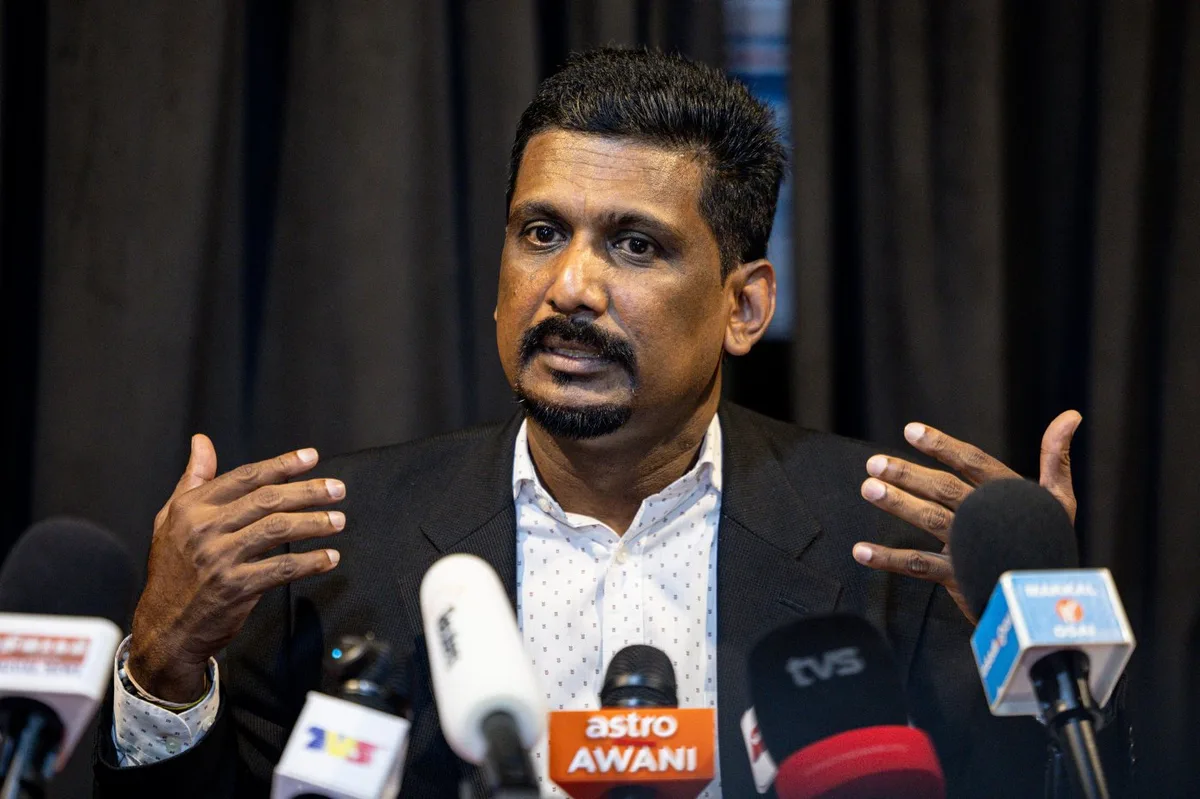
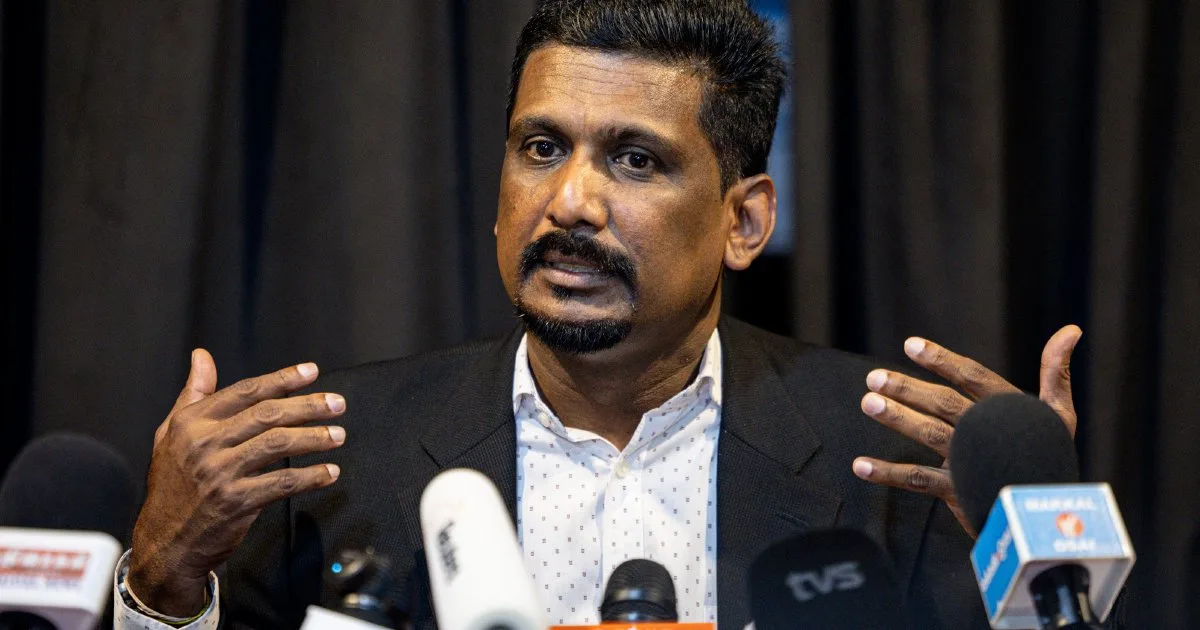
To date, 55 Malaysians remain unreachable after the disaster, which has killed 1,220 people and left 4,762 missing, including 844 foreigners [1, 6, 7]. Meanwhile, 77 Malaysians found safe in Tibet and Nepal are being repatriated to Kathmandu [6]. Families of the missing have urged faster government action. Dr R. Manivannan of Malaysia Solidarity: Families in Hope (Masfih) called for the prime minister's intervention, saying, "SMART would be more effective if deployed within 24, 48 or 72 hours. Today is already the ninth day." He also appealed for a clear plan to bring home their loved ones, describing it as a humanitarian plea rather than a political one [6, 7].
Mercy Malaysia has sent a humanitarian assessment team to Nepal to evaluate needs and coordinate aid. Their focus includes search and rescue, emergency shelter, food, clean water, sanitation, healthcare, protection, and mental health support [8, 3, 5]. Mercy Malaysia president Datuk Dr Ahmad Faizal Mohd Perdaus described the scale of the disaster as "deeply concerning," emphasizing the isolation of some communities and the ongoing search for missing persons [3].
The floods have blocked roads and bridges with approximately 2.2 million tonnes of debris, severely hampering access to affected areas. At least 11 hydropower stations and one solar plant, with a combined 431 MW capacity, have ceased operations due to the disaster [3, 5].
Families of missing Malaysians held a press conference on September 2 urging urgent government interventions and direct talks with the prime minister [6, 7]. As of today, SMART remains on standby, awaiting Nepal's authorization to deploy personnel to assist in the ongoing response [5].