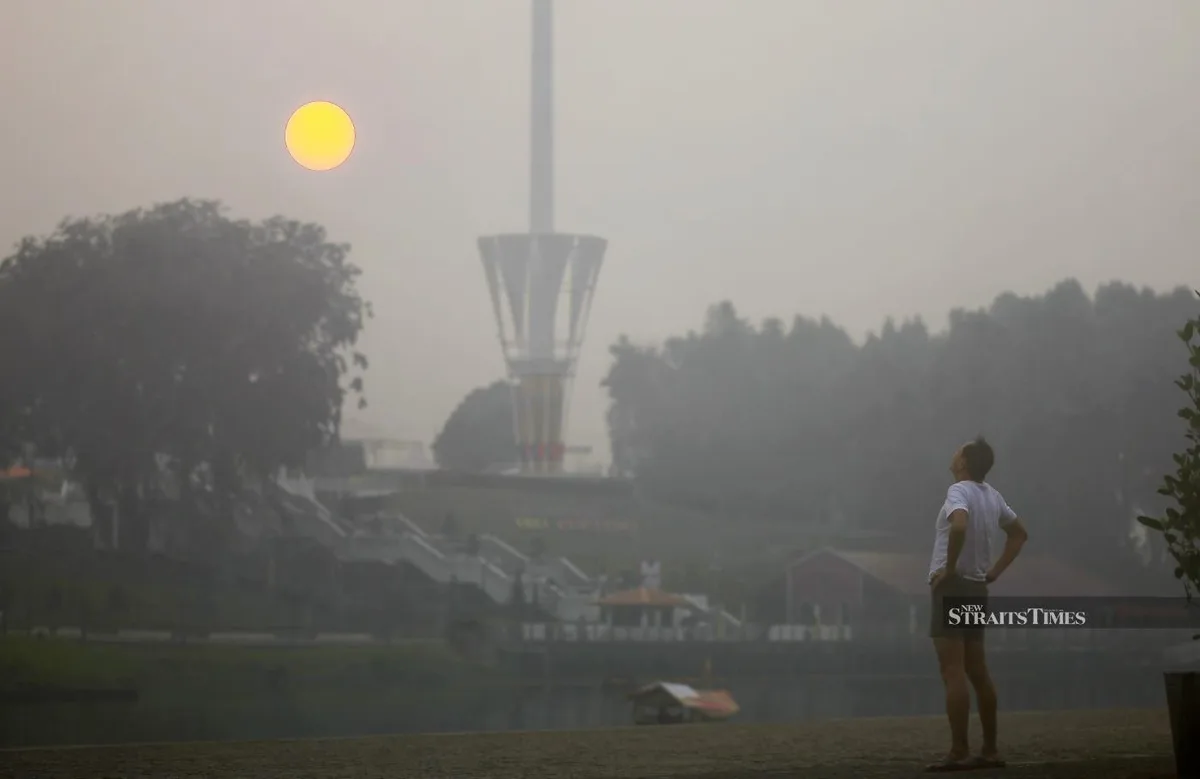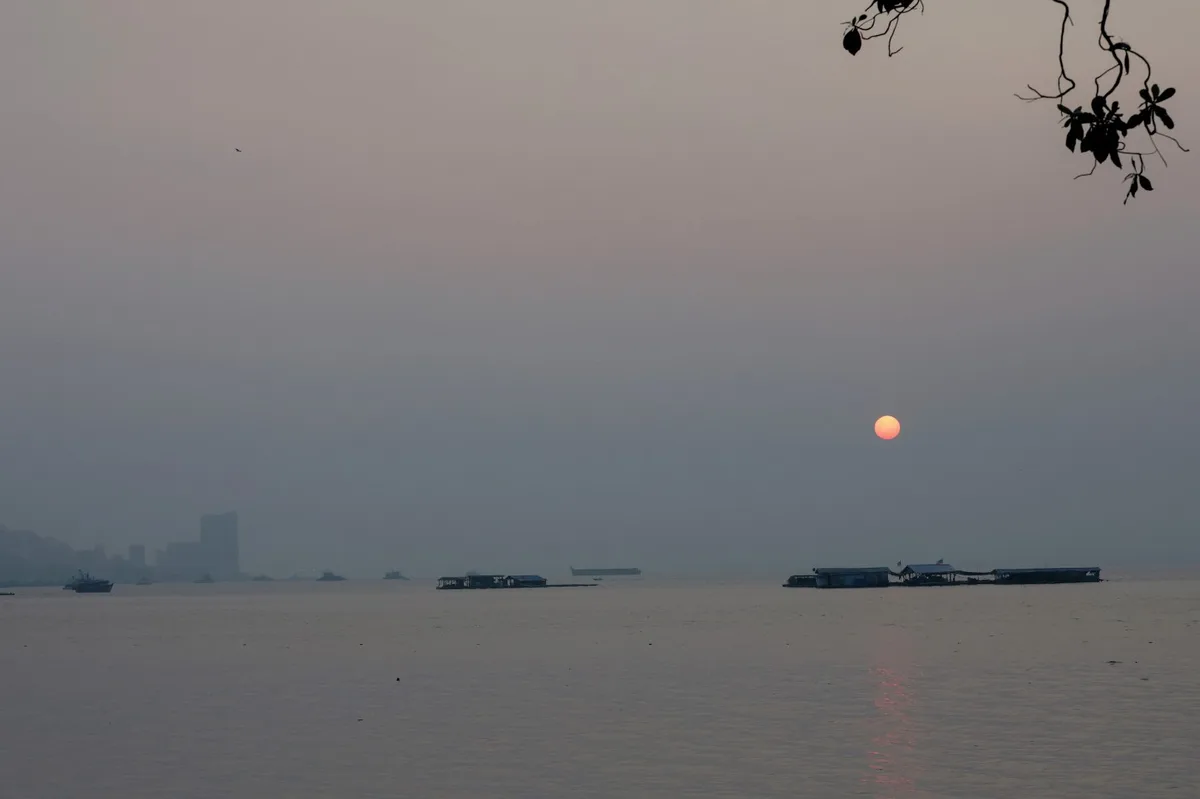
The Department of Environment (DOE) intensified monitoring and patrols in Sarawak to prevent open burning at residences, plantations, industrial sites, and quarries that worsen the haze. Authorities issued letters to landowners and plantation owners to curb activities that raise the Air Pollutant Index (API) [1, 2, 3].
DOE tracks hotspots detected by satellites and verifies potential fires for immediate reporting to the Malaysian Fire and Rescue Department. Enforcement Division Director Rosli Zul said, "We also constantly monitor hotspots detected through satellite images and will continue to verify whether there are fires in the affected areas to be immediately reported to the Malaysian Fire and Rescue Department for prompt extinguishing" [1].
The haze is largely caused by forest burning in neighbouring countries. Rosli added, "The actual root cause (of the haze) is forest burning from neighbouring countries, worsened by hot weather coupled with the wind direction of the Southwest Monsoon. That brings (the smoke from burning) into Malaysia, but domestically also need to play our part so that the situation does not get worse" [3].
Vehicle emissions also contribute to air pollution, prompting encouragement of public transport use to reduce haze impact [1, 2, 3].
Malaysia operates 68 air quality monitoring stations, providing real-time data to inform the public, especially vulnerable groups such as the elderly and children [1, 2, 3]. On Sept 2-3, several Sarawak locations reported hazardous API readings, with Serian District Police Headquarters recording 325 and Kuching 309. Five areas including Samarahan (287), Sarikei (256), Sibu (248), Sri Aman (247), and Mukah (205) recorded very unhealthy levels [1, 2, 3].
Sixteen stations reported unhealthy API levels, including Bintulu and Kapit [2]. By 4 pm on Sept 4, Serian Division’s API soared to 514, triggering a disaster emergency declaration with consent from His Majesty Sultan Ibrahim following advice from the Prime Minister [4, 5].
The transboundary haze poses severe threats to ecosystems and wildlife by destroying habitats and causing respiratory issues, dehydration, and hunger. Large mammals and primates such as orangutans suffer respiratory infections and food shortages linked to fires and haze. Pollinating insects and fruit-eating animals like hornbills also face disrupted life cycles and food scarcity, according to Assoc Prof Haliza Abdul Rahman from Universiti Putra Malaysia. She stated, "The haze does not only affect humans, but also animals and plants. Toxic smoke also disrupts the life cycles of pollinating insects such as bees and fireflies, while affecting the availability of food for fruit-eating animals such as hornbills" [4, 5].
Wildlife fleeing fires or trapped by haze face dehydration and starvation, increasing vulnerability to poaching. Proposals to protect animals include multi-agency rapid response teams, wildlife rescue and relocation efforts, emergency migration corridors, and AI-based early warning systems for forest threats [4, 5].