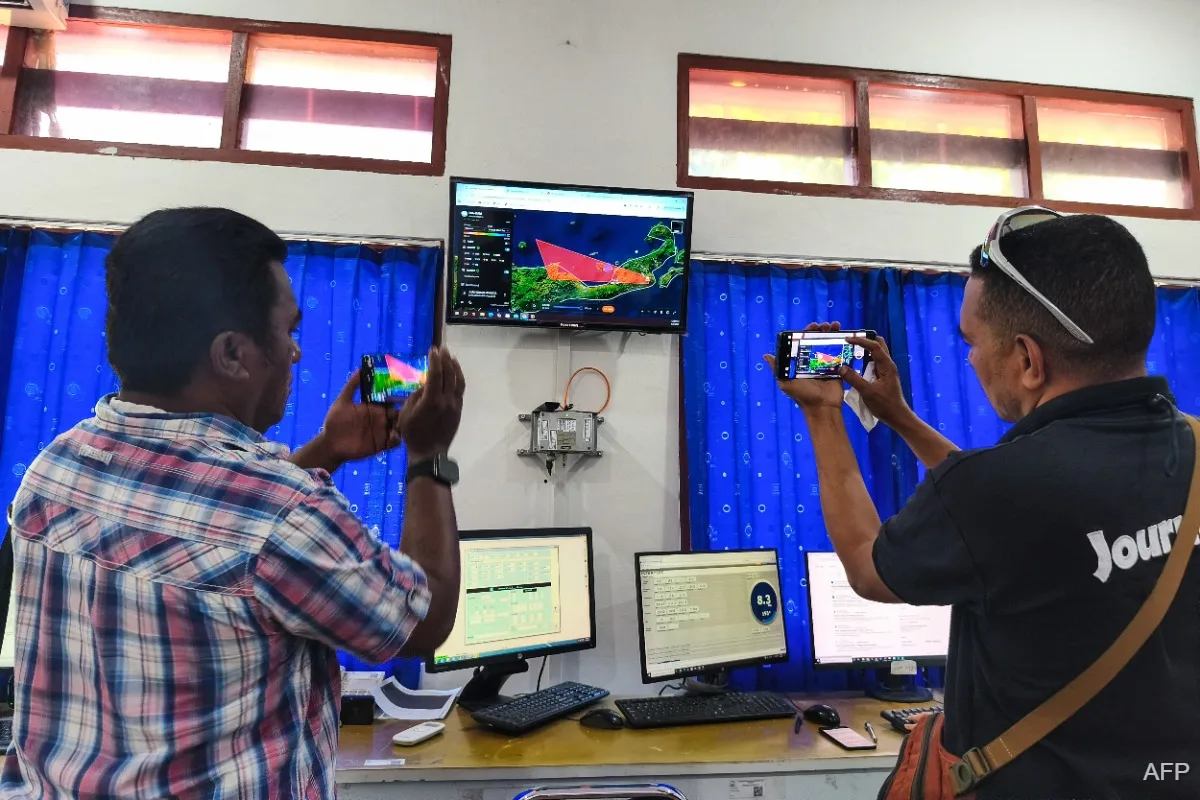
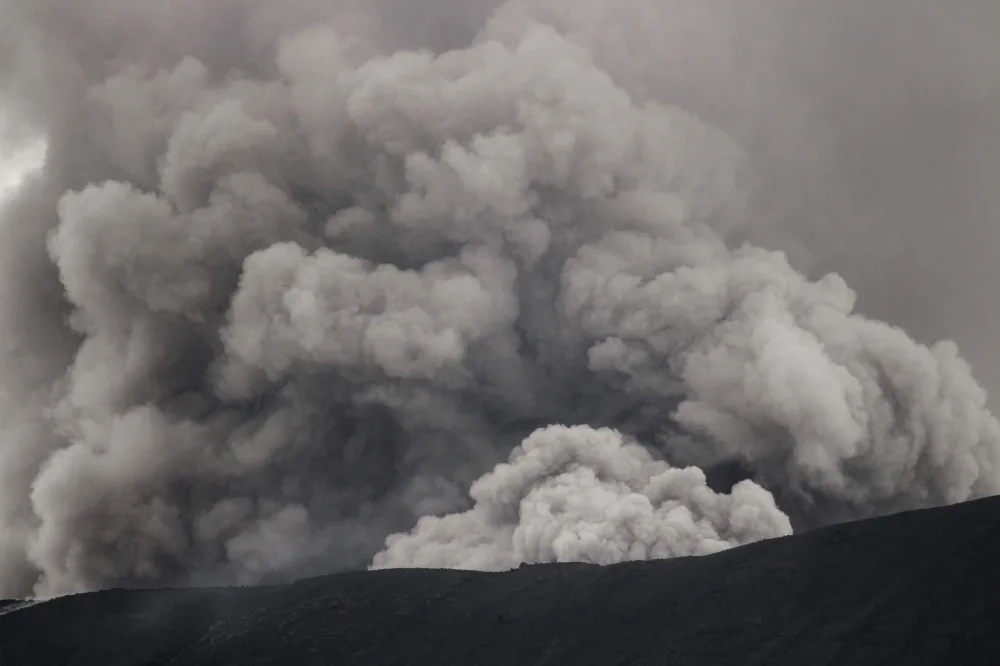
Mount Lewotobi Laki-Laki erupted several times on Flores Island on June 5, 2026. The largest eruption occurred at 11:15 a.m., sending volcanic material up to 2.5 kilometers into the air, according to local authorities and monitoring agencies [1, 2, 3].
The 1,584-meter volcano is now under Indonesia's second-highest volcanic alert level with a 5 km exclusion zone established around its crater. Authorities have warned residents within this zone to remain alert, especially near river areas where heavy rain could trigger hazardous volcanic floods, known as lahars [1, 2, 3].
The eruptions led to the suspension of operations at Maumere airport, located about 60 kilometers west of the volcano. Five domestic flights were affected, disrupting travel across the region. "Authorities have suspended operations at a local airport in the town of Maumere, about 60 km west of Lewotobi Laki-Laki, affecting five domestic flights," said official Partahian Panjaitan [1].
Mount Lewotobi Laki-Laki is part of a twin volcanic system with the nearby 1,703-meter Perempuan volcano, whose name means "woman" in Indonesian, while "Laki-Laki" means "man". The two volcanoes have contrasting activity levels, with Lewotobi Laki-Laki being more volatile [1, 2, 3].
Last July, the volcano produced a much larger eruption, sending an ash column 18 kilometers high and causing 24 flight cancellations at Bali's international airport [1, 2, 3]. Indonesia frequently experiences volcanic and seismic activity due to its position on the Pacific Ring of Fire [1, 2, 3].
Authorities continue to monitor the situation closely. Aviation and local officials have not specified when the airport in Maumere will reopen, keeping flights grounded as volcanic activity persists [1, 2, 3].