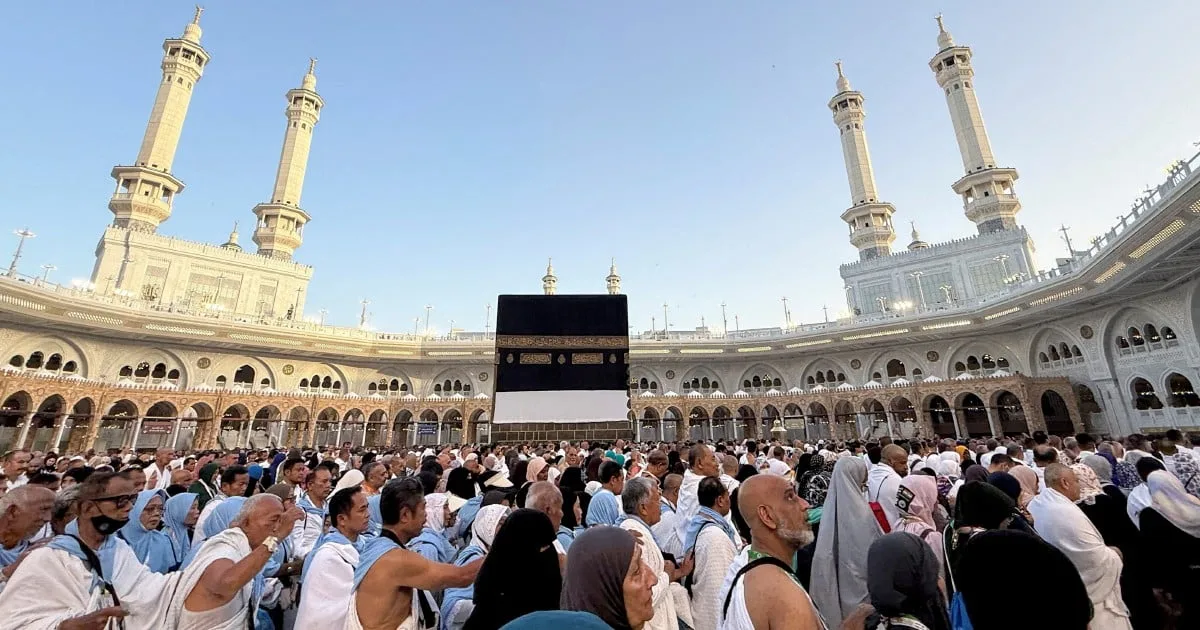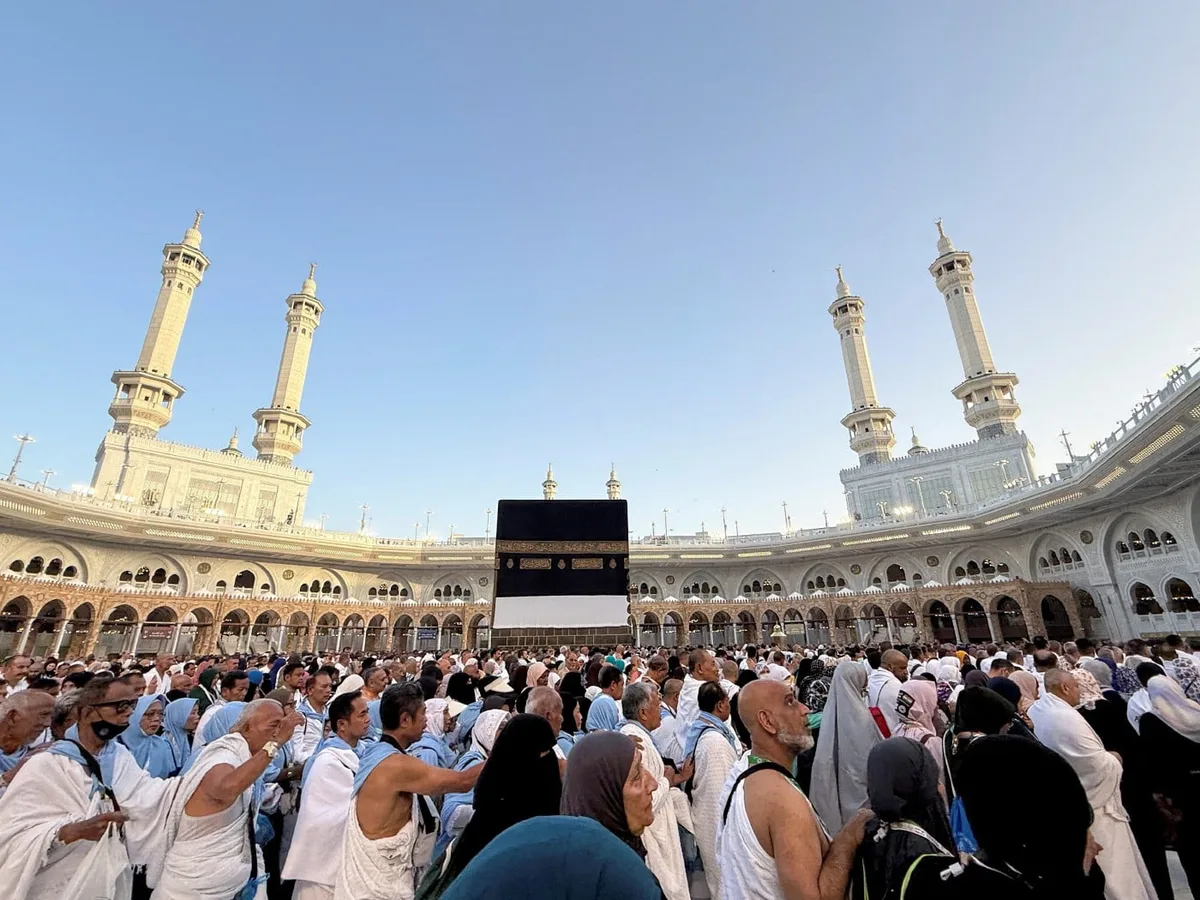
Malaysian haj pilgrims have almost all arrived in Saudi Arabia ahead of the peak pilgrimage period amid extreme heat warnings. By May 20, 31,243 of the total 31,600 Malaysian pilgrims for the 1447H/2026M season had reached the Holy Land on 99 special charter flights mainly to Madinah and Jeddah airports, managed by Malaysia Airlines' AMAL and Saudia Airlines, according to officials overseeing the operation [1, 2].
The final flight carrying the remaining pilgrims is scheduled to land on May 21 at about 9:10 p.m. local time, completing the 100 scheduled transport flights for Malaysia’s haj contingent [1, 2]. Minister in the Prime Minister's Department (Religious Affairs) Dr Zulkifli Hasan noted, "With the arrival of the final flight tomorrow, all 31,600 Malaysian Haj pilgrims will be in the Holy Land to perform this year’s Haj" [2].
The haj season began on May 18, marking the 1st of Zulhijah 1447H, with the Day of Arafah—the pilgrimage’s peak ritual—expected in less than a week from May 20 [3]. Temperatures in Mecca during this period are forecast to reach up to 48°C, prompting safety advisories from Malaysian and Saudi authorities [3].
Pilgrims have been urged to limit activities outdoors during times of ritual, use covered walkways or umbrellas, stay well hydrated, and remain inside heat-insulated tents especially during the Masyair operations and Arafah day to avoid heat exposure. Dr Zulkifli Hasan emphasized, "Pilgrims are also encouraged to remain inside their tents during the Masyair operations to avoid exposure to extreme heat, especially during the day of Arafah (wukuf)" [3].
Tabung Haji, the Malaysian government body managing haj affairs, has reported smooth operations focused on pilgrim welfare and safety this year. Enhancements include 24-hour free shuttle buses to Masjid al-Haram for pilgrims staying about 1 to 1.5 kilometers away, sofa beds, heat-insulated tents, and improved air conditioning in key pilgrimage sites including Arafah, Muzdalifah, and Mina during the Masyair phase [1, 2]. Dr Zulkifli Hasan said, "Alhamdulillah, TH (Tabung Haji) has continued to improve the quality of its Haj services in various aspects. We already have a strong Haj management system, and now we want to take it a step further so it becomes a global benchmark in Haj administration" [2].
Malaysia’s haj medical teams remain on high alert, coordinating proactively with Saudi health authorities to ensure prompt assistance or intervention during the pilgrimage [3]. The arrival of all Malaysian pilgrims signals the transition to final haj rituals, with the Day of Arafah expected soon, marking a critical moment in the annual pilgrimage cycle.