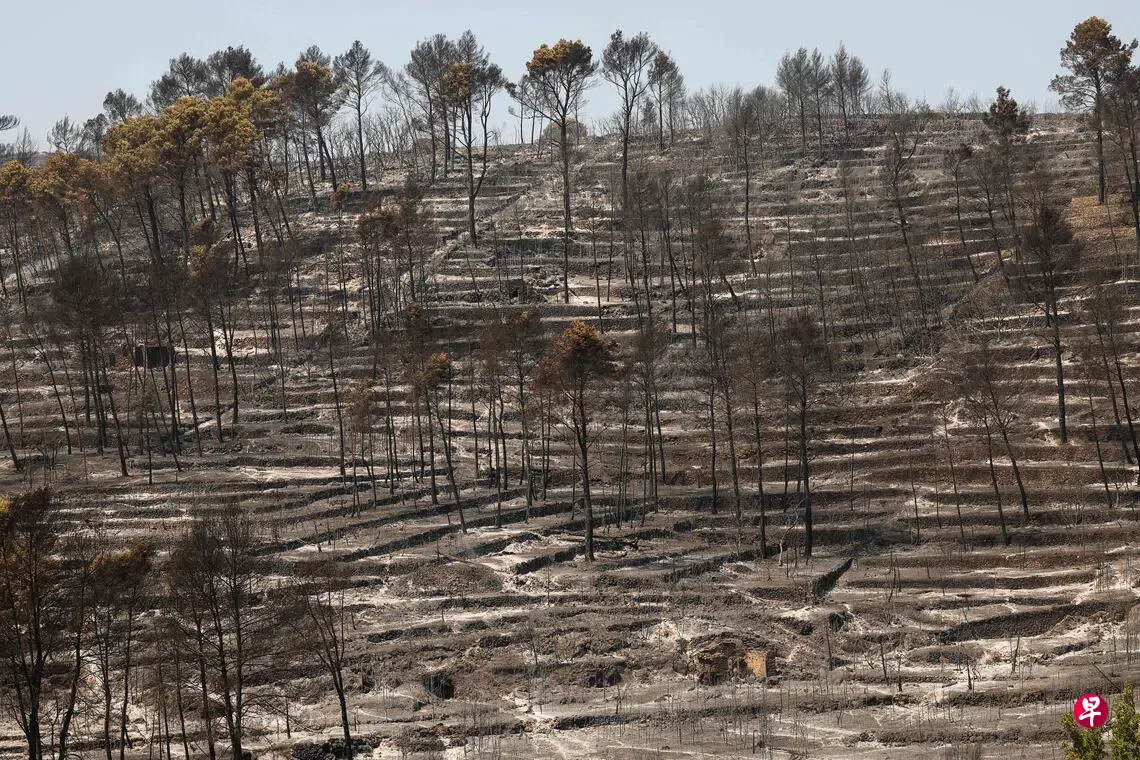
More than half (52.5%) of the world's soils are now in poor or very poor condition, posing a serious risk to global food security and biodiversity, the Food and Agriculture Organization (FAO) said on August 27, 2026 [1, 2]. Soils currently support 95% of global food production and host 59% of terrestrial biodiversity, making them critical to both agriculture and ecosystems [1, 2]. Additionally, soils serve as the planet's second largest carbon sink after oceans, highlighting their environmental importance [1, 2].
The latest FAO report shows soil degradation is accelerating in many regions, with 58% of assessed areas experiencing worsening soil management since the previous global assessment in 2015 [2]. Only 14% of soils worldwide are managed in good or very good condition, indicating widespread neglect and mismanagement [1, 2].
Population growth of 800 million people and the conversion of 80 million hectares of land to major crops since 2015 have increased pressure on soil resources, FAO noted [1, 2]. A primary driver of soil degradation is erosion caused by unsustainable agricultural practices. Other threats include nutrient mismanagement, pollution, salt accumulation, and urban expansion [2].
Although techniques like reduced tillage and cover cropping that can help reduce soil degradation have been known for years, they remain inadequately implemented around the world [2]. FAO emphasized the need for a fundamental change in approach, calling for a shift "from a mindset of soil exploitation to one of soil stewardship" to preserve soil health and ensure food security in the long term [2].
The FAO first released a global soil health assessment in 2015 that already showed most soils in fair, poor, or very poor condition [1, 2]. The new report updates this grim picture and underscores that soil degradation continues to accelerate, forcing urgent action to safeguard soil resources [1, 2].