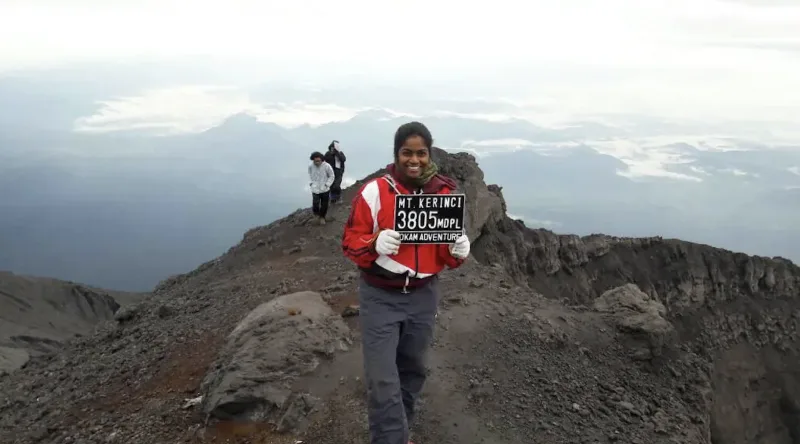
Hikers in Malaysia are urged to prioritise preparation, safety awareness, and self-reliance before venturing into forests, hills, and mountains due to growing concerns over accidents and emergencies [1, 2]. Many incidents can be avoided if hikers are physically and mentally prepared, and if they carry appropriate equipment suited to the terrain and conditions [1, 2].
Prospective hikers should assess their fitness levels carefully before choosing trails, as hills and mountains demand different levels of endurance, planning, and gear [1, 2]. Long-term planning is essential, including monitoring weather, making realistic schedules, and setting target times for reaching summits and descending safely [1, 2].
All hikers should adhere to internationally recognised Leave No Trace principles to promote environmental responsibility and personal safety [1, 2]. Basic emergency equipment is a must, including a first-aid kit, whistle, emergency blanket, fire-starting tools, and a knife or machete [1, 2].
Mohd Hafiz Nordin said, "Those who frequently hike at elevations above 2,000 metres should equip themselves with at least basic navigation and survival skills, which can be crucial when faced with unexpected circumstances" [1]. Non-governmental organisations and outdoor groups in Malaysia offer training on navigation, survival, and emergency response techniques [1, 2].
Hikers are cautioned not to rely solely on electronic devices like GPS and smartwatches, as these may fail due to battery or technical issues and should be treated only as supplementary tools [1, 2]. The use of the buddy system is stressed; hikers are urged never to hike alone and to maintain awareness of fellow participants at all times [1, 2].