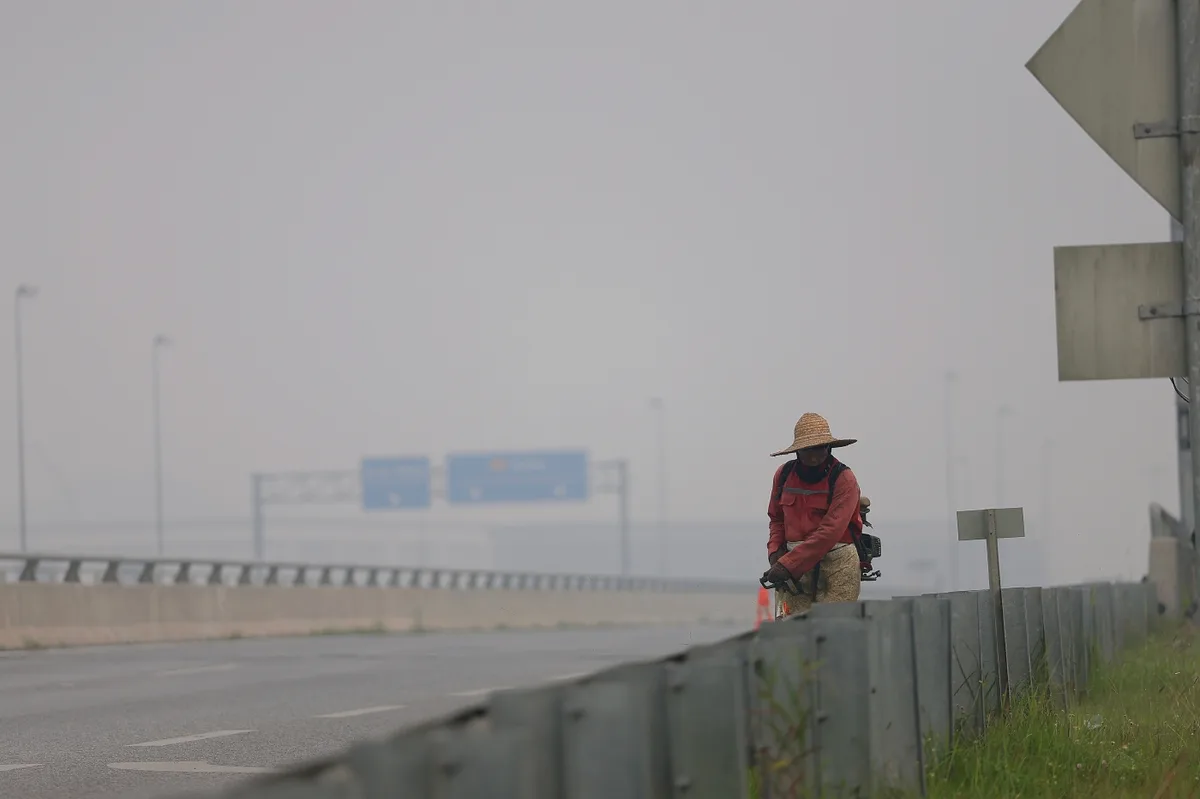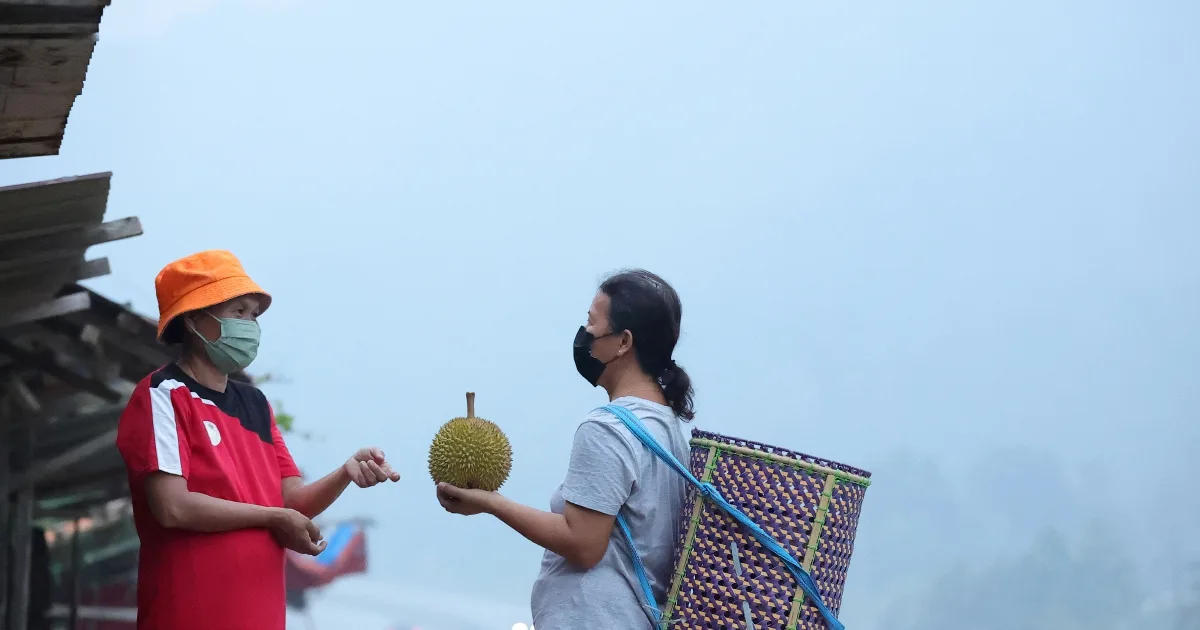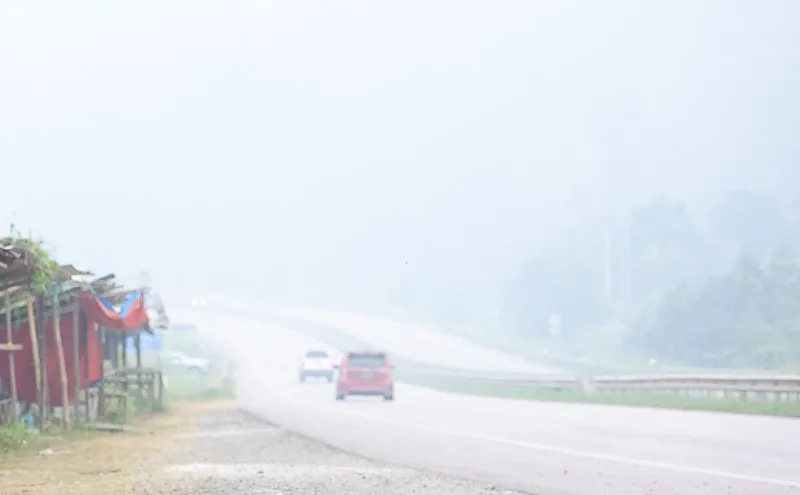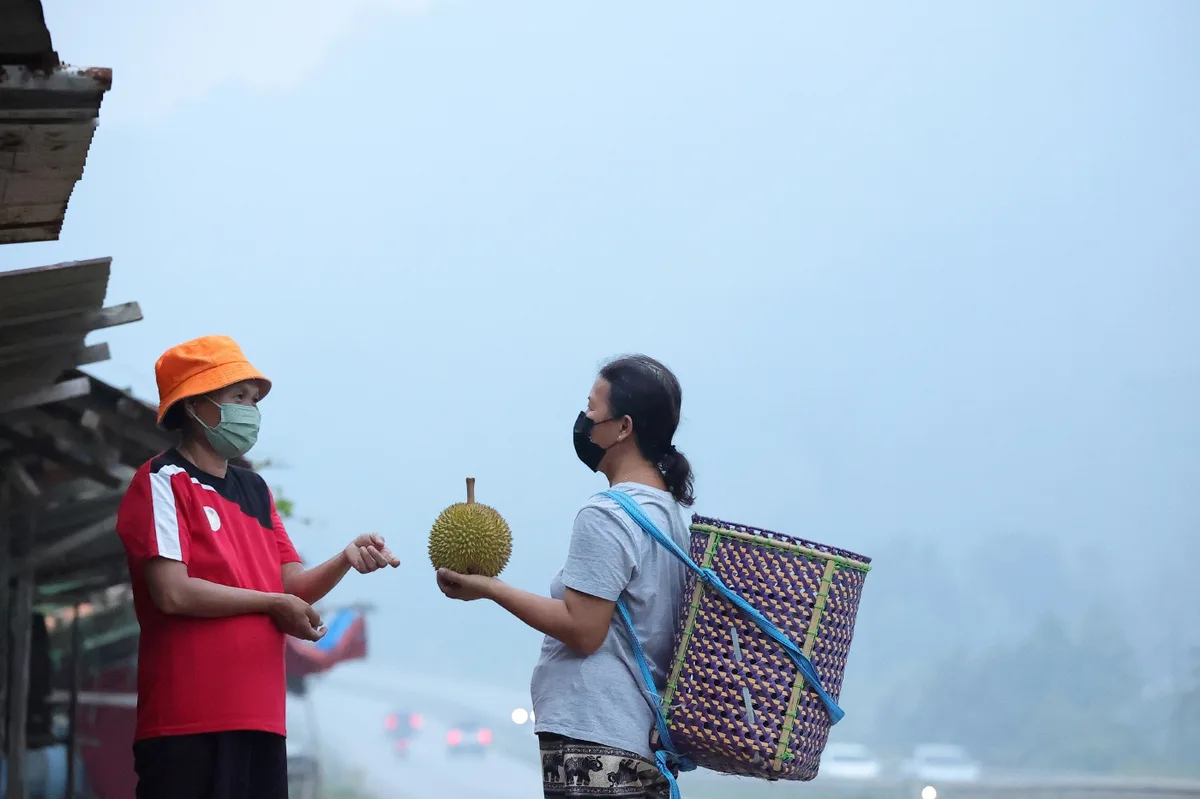
Serian in Sarawak recorded hazardous Air Pollutant Index (API) readings ranging from 287 to 390 on September 5, 2026, indicating very hazardous or hazardous air quality throughout the morning [1, 2, 3, 4]. At 7 a.m., the API reached 390, while at 8 a.m. it was reported as 376 by the Department of Environment's APIMS [3, 1, 4]. Earlier on September 4 at 8 p.m., Serian's API peaked at 498, classified as very hazardous, before easing slightly [3].
Other districts in Sarawak experienced very unhealthy air quality with API values between approximately 200 and 293. Kuching, Samarahan, Sri Aman, Tebedu, Lundu and Samalaju all reported very unhealthy readings in the morning hours, with Kuching's API around 267 to 279 at various times [1, 2, 3, 4]. Areas beyond Sarawak such as Limbang, Bintulu, Kapit, Miri, Sibu and Sarikei recorded unhealthy or moderate air quality. Several states across Peninsular Malaysia including Johor, Negri Sembilan, Melaka, Pahang, as well as Sabah and Selangor, also reported unhealthy levels [1, 2, 3, 4].
The Malaysian King gave consent to declare a state of emergency in Serian following the worsening haze situation [1]. The haze is linked to dry weather conditions and hotspots reported by the ASEAN Specialised Meteorological Centre (ASMC) in Indonesian regions of Kalimantan and Sumatra, as well as within Malaysia [2]. ASMC detected numerous hotspots on September 4 contributing to the haze [2]. ASMC also noted haze moving northeastward from Kalimantan towards parts of Sarawak, Sabah and Brunei. Azuri Azizah Saedon, deputy director-general at the Department of Environment, said, "Among the areas recording unhealthy readings were several locations in Johor, Negri Sembilan, Melaka, Pahang, Sabah, Sarawak and Selangor... The ASMC also reported moderate to dense haze moving northeastwards from Kalimantan towards parts of Sarawak, Sabah and Brunei" [2].
By early afternoon on September 5, API readings in Sarawak had declined slightly with six areas showing very unhealthy conditions. Serian remained the highest with an API of 287 but no hazardous level was reported at that time [2].
Authorities continue monitoring air quality closely amid the haze episode. The state of emergency in Serian remains in effect as officials assess further responses to contain the health risks posed by the hazardous air pollution [1].