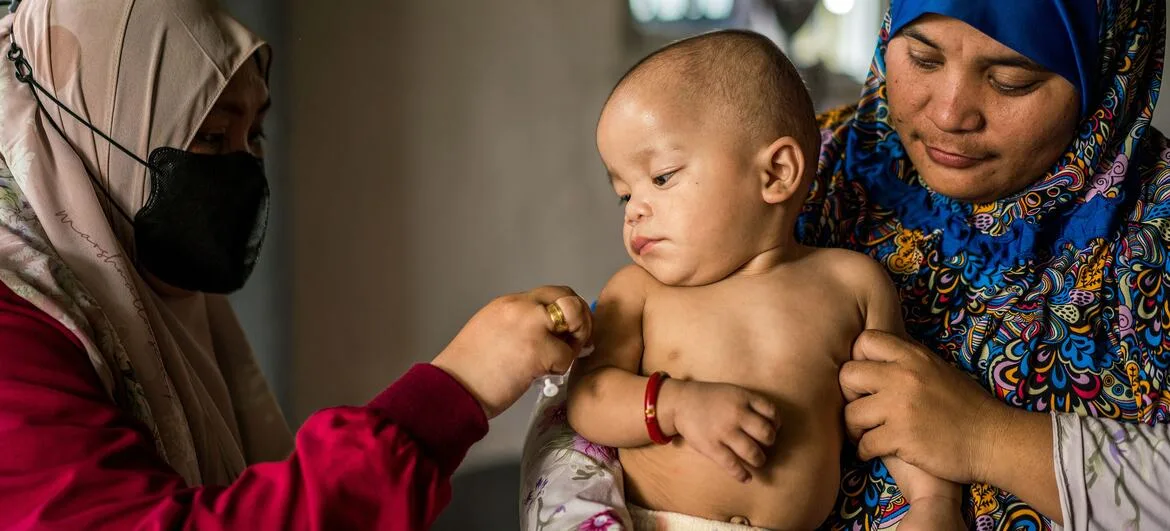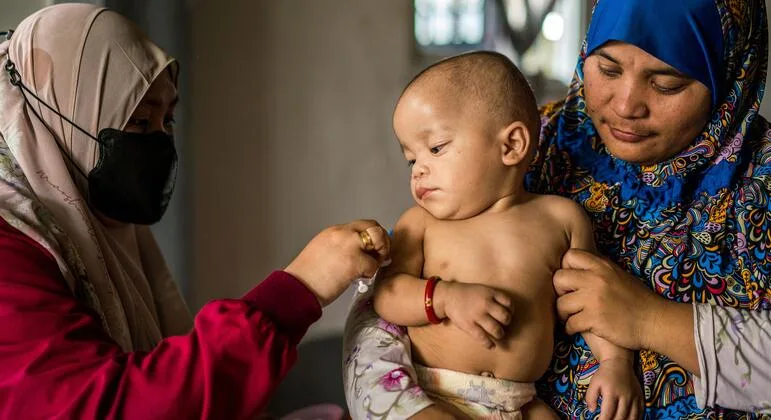
In 2025, 90% of infants worldwide—around 116 million children—received at least one dose of the diphtheria, tetanus, and pertussis (DTP) vaccine, with 85% completing the full three-dose series, marking a 1% increase from 2024 but still 1% below 2019 levels before the COVID-19 pandemic [1, 2, 3]. Despite these gains, global measles vaccine coverage stagnated at 84% for the first dose and 77% for the second dose, both well below the 95% threshold needed to prevent outbreaks [1, 2, 3]. As a result, 57 countries reported large or disruptive measles outbreaks in 2025. WHO vaccines director Kate O'Brien confirmed, "57 countries reported in 2025 large or disruptive measles outbreaks" and linked challenges to widespread misinformation, saying, "We think that this is clearly related in some settings to false information, misinformation that is provided around measles vaccination" [1].
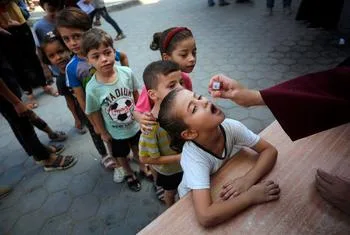
An estimated 13.5 million zero-dose children—those who did not receive any vaccine in their first year—were recorded in 2025, a decline of 750,000 from 2024 and about 1 million fewer than 2023 [1, 2, 3]. However, over half of these children live in conflict-affected and fragile areas where political instability, insecurity, and funding shortfalls have impaired immunisation programs [2]. Factors such as conflict, displacement, poverty, vaccine hesitancy, and misinformation continue to hinder progress [1, 2, 3]. About 7.3 million infants received the first DTP dose but missed their first measles vaccine dose in 2025, contributing to persistent vulnerability against measles [1, 2, 3].
Other vaccine-preventable diseases surged in 2025, with increased global incidence of diphtheria and cholera reported [1, 3]. While immunisation coverage in Gavi-supported countries reached historic highs for WHO-recommended vaccine series, reductions in international funding—especially large cuts to U.S. aid—threaten future advances. "These fund cuts have not fully shown their impact in the 2025 data yet. We are very concerned about 2026 and the coming years," said WHO vaccines director Kate O'Brien [3]. UNICEF immunisation lead Le Menach noted the impact on monitoring, stating, "Our ability to effectively monitor the impact of these cuts is being considerably impacted" [3]. Gavi’s chief country delivery officer Maphosa warned, "We believe that 600,000 lives that could have been saved will be affected" by funding shortfalls [3].
Data collection also weakened, with only 18 national immunisation surveys completed and submitted in 2025—down from 50 in 2024—hindering assessment of coverage and impact [2, 3]. Since 2019, only 30 of 65 countries with under-90% coverage have improved their immunisation rates, showing limited expansion of high-coverage areas [2].
Unicef chief Catherine Russell emphasized the urgency, saying, "No child should suffer from a disease that a simple vaccine can prevent" [1]. The next critical test for immunisation programs will come in 2026, as the global health community grapples with funding constraints and ongoing outbreaks.