The World Meteorological Organization (WMO) issued a forecast on June 2 warning of an 80% chance of El Niño developing between June and August 2026, with a more than 90% chance it will last until at least November [1, 2, 3, 4, 5, 6, 7, 8]. WMO Secretary-General Celeste Saulo said, "We need to prepare for a potentially strong El Niño event - which will exacerbate drought and heavy rainfall and increase the risk of heatwaves both on land and in the ocean" [1].
El Niño is a recurring climate phenomenon involving the periodic warming of sea surface temperatures in the central and eastern equatorial Pacific Ocean that typically lasts nine to 12 months [1, 2, 3, 7, 8]. Current indicators suggest sea surface temperature anomalies in the eastern Pacific could rise 1.5°C or more above average, potentially making this El Niño at least moderate and possibly strong in intensity [2, 3, 5, 7]. The tropical Pacific subsurface temperatures have already increased up to 6°C above average as of mid-2026 [1, 2, 3, 4].
Last El Niño in 2023-24 was strong, contributing to 2024 becoming the hottest year on record globally, with global temperatures 1.55°C above pre-industrial levels [1, 2, 3, 4, 5, 7]. Professor Piers Forster of the University of Leeds warned that "because of the underlying climate change ... these things become more intensified and they're more impactful" [5]. UN Secretary-General António Guterres called it "an urgent climate warning" that "will pour fuel on the fire of a warming world" [1].
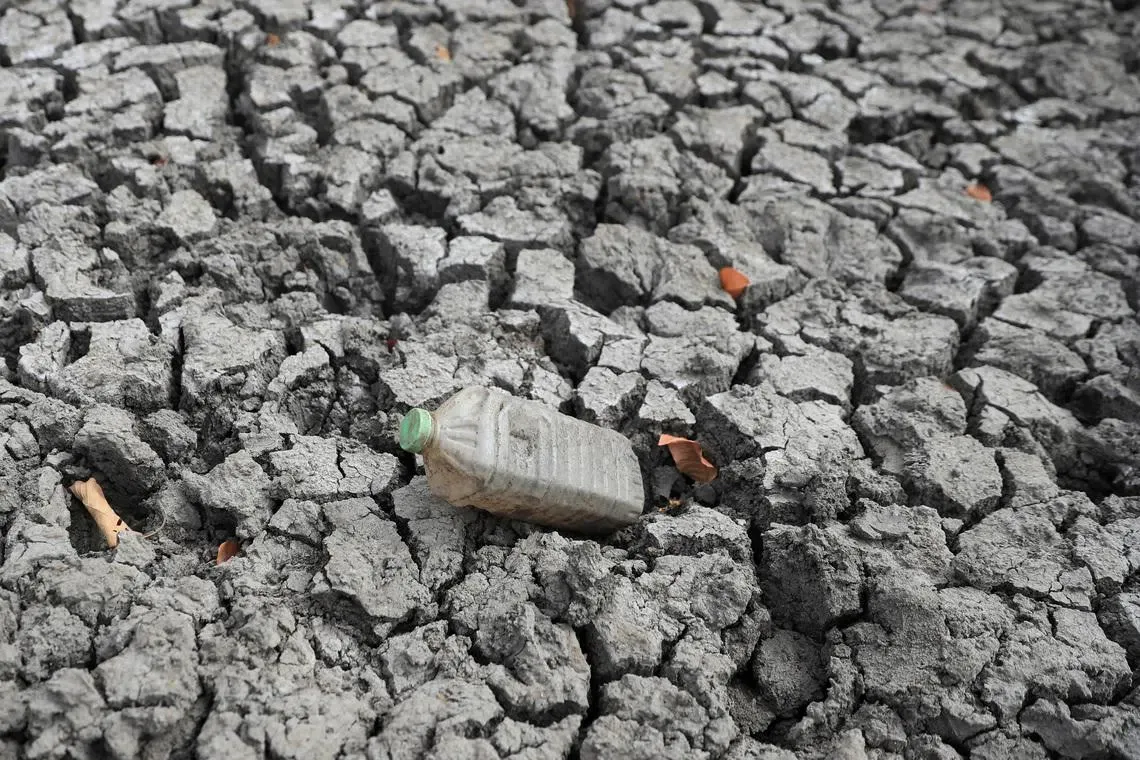
El Niño is expected to raise global temperatures and increase the risks of extreme weather such as droughts, heatwaves, heavy rainfall, and hurricanes across different regions [1, 3, 4, 5, 7, 8]. Regions likely to see increased rainfall include southern South America, the southern United States, parts of the Horn of Africa, and Central Asia, while drought is expected in Australia, Central America, Indonesia, southern Asia, and parts of Southeast Asia [1, 3, 4, 6].
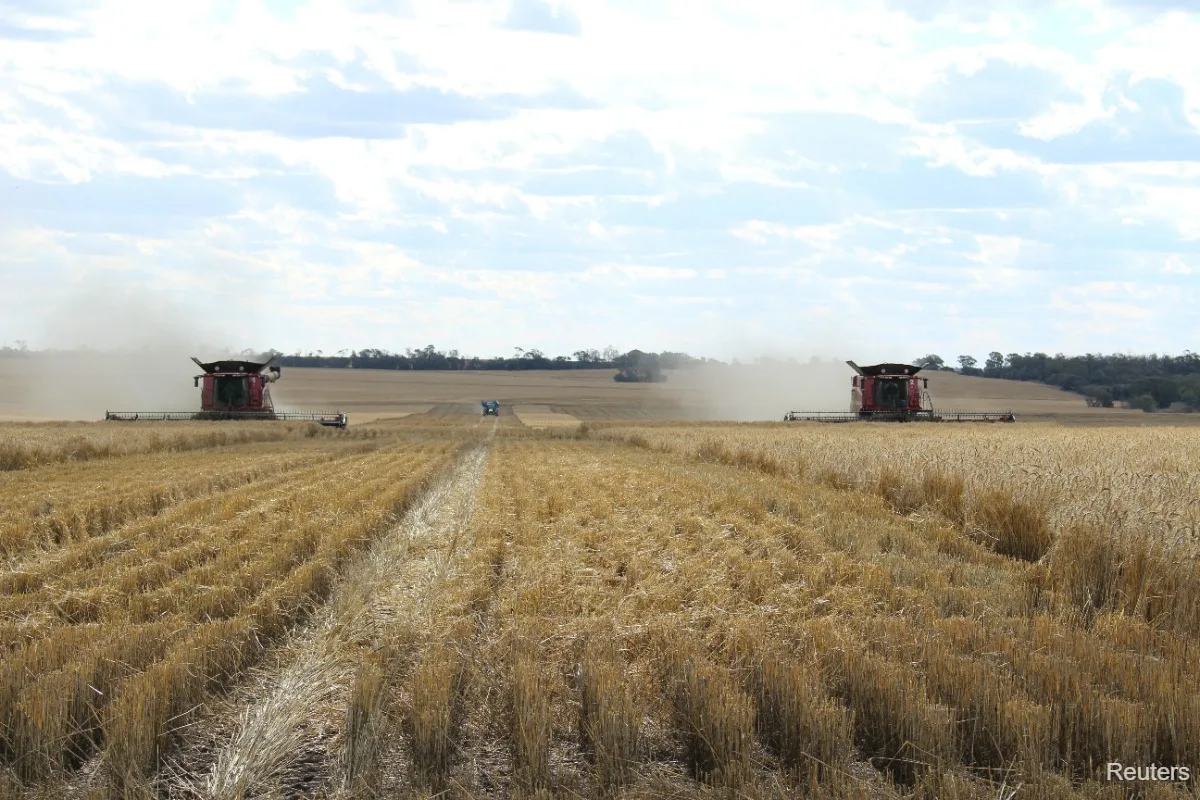
Australia’s Bureau of Meteorology anticipates a transition to El Niño conditions during its winter, bringing hotter and drier weather especially to eastern Australia, said senior climatologist Felicity Gamble [6]. Chris Hyde, a U.S. meteorologist, noted that El Niño impacts will first appear in Southeast Asia, India, and Australia before spreading to the Americas [9].
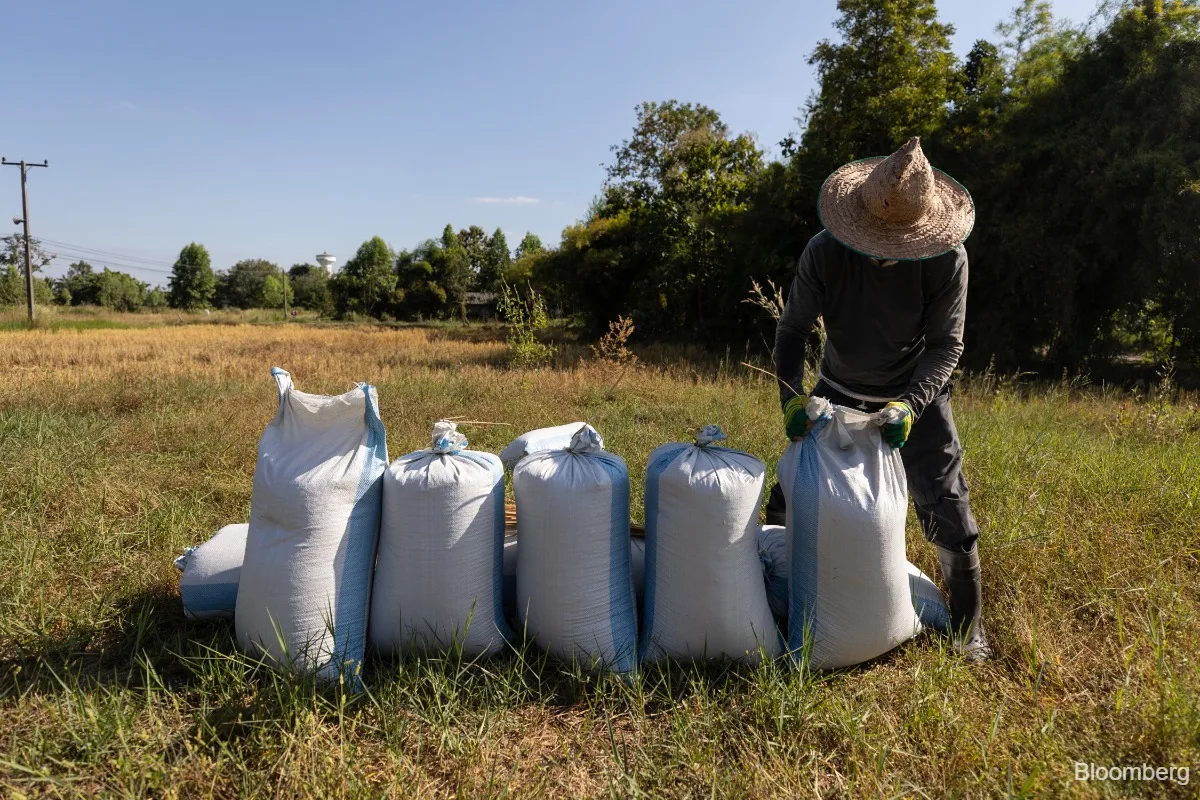
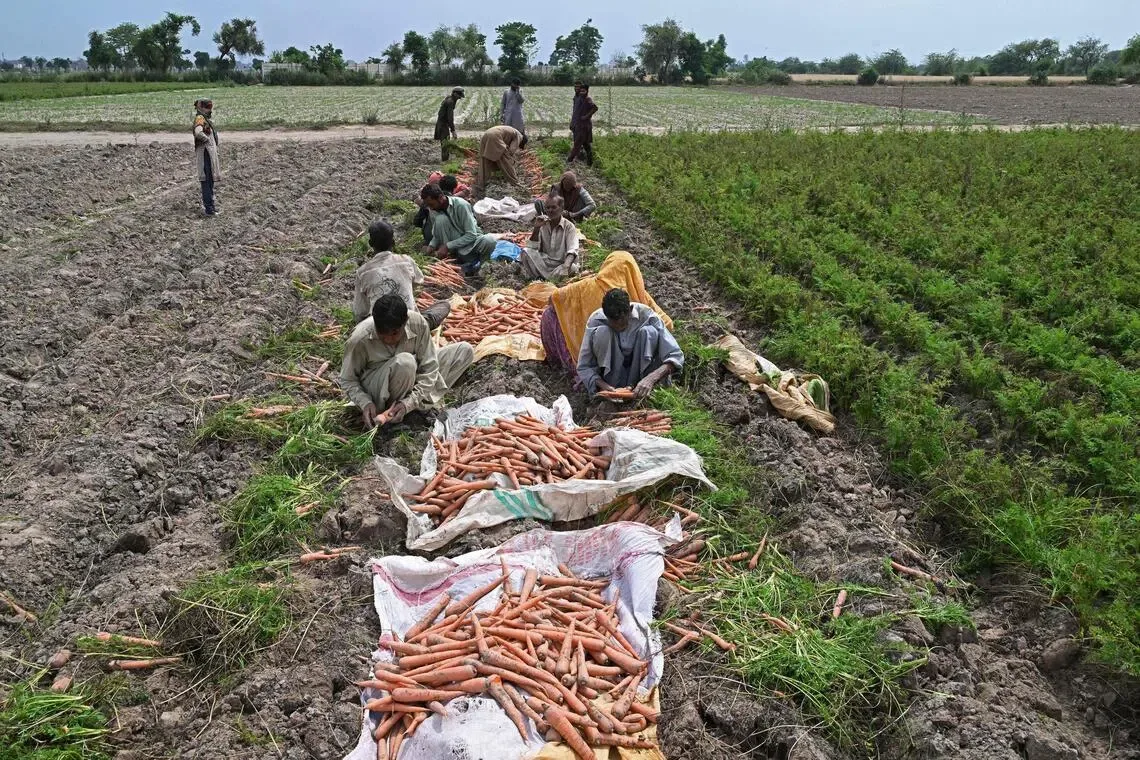
Already, dry and hot weather has disrupted crop planting across Asia, including India, Southeast Asia, and Australia, raising concerns over food supplies [10, 9, 11, 12]. Farmer Nerawat Oramah from Thailand said, "Everybody is worried (about drought), it’s risky" [9]. Prices for wheat have risen about 20% since early 2026, partly due to drought worries in U.S. growing areas, while rice prices in Southeast Asia have increased by about 15% [10, 9, 11, 12].
El Niño also elevates risks of heat-related illnesses, vector-borne diseases, and strains on food and water systems worldwide [3, 4, 7]. Saulo added, "Extreme heat alone is already one of the deadliest climate hazards we face, and an El Niño event could intensify the threat" [3].
El Niño occurs every two to seven years, cycling with La Niña and neutral phases in the equatorial Pacific [2, 8]. Climate change is expected to worsen its impacts by raising baseline temperatures and intensifying droughts, floods, and crop failures [1, 2, 5, 10, 7, 8].
The WMO’s warning marks a call for preparation as the world faces the likelihood of a moderate to strong El Niño developing through summer and continuing into late 2026 [1, 2, 3, 4, 5, 6, 7, 8].