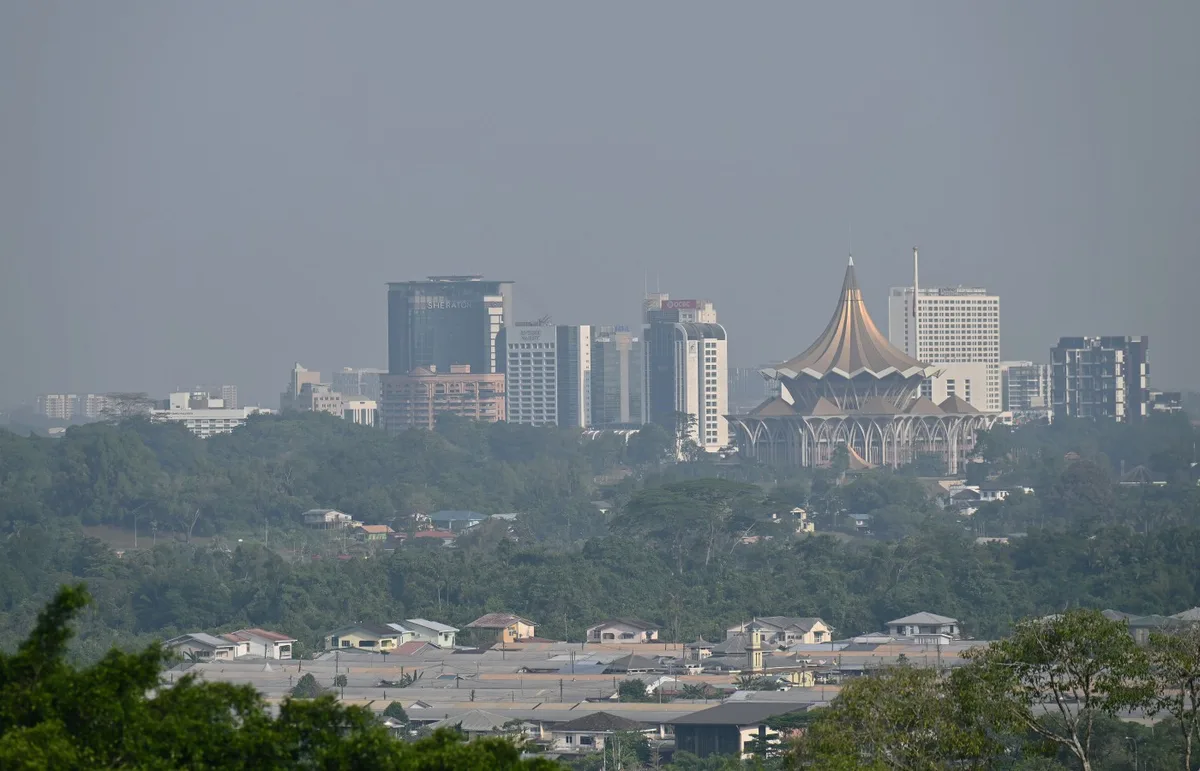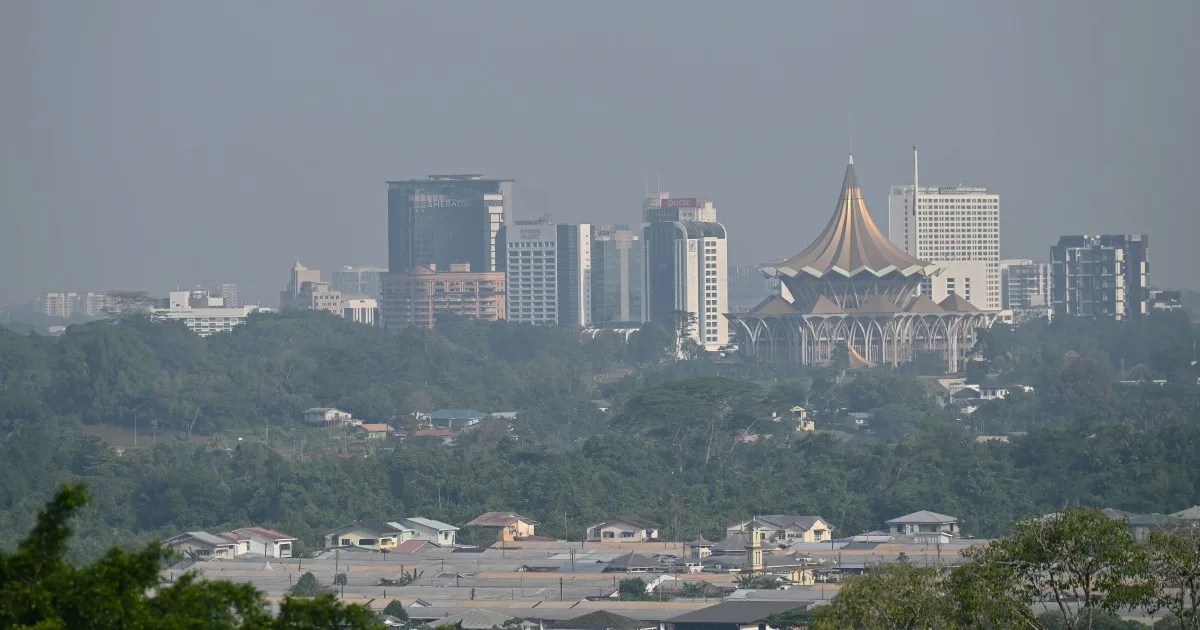
Five areas in Sarawak recorded unhealthy Air Pollutant Index (API) readings by the morning of August 8, 2026. Serian led with 171, followed by Kuching and Samarahan at 154 each, Sri Aman at 139, and Bintulu at 124 [1, 2, 3]. By 6pm that day, the number of Sarawak areas with unhealthy readings rose to eight, as Miri (119), Sarikei (152), and Samalaju (152) joined the list, with the earlier areas’ figures also climbing [4, 5].
On August 8 and 9, Johan Setia in Selangor recorded API levels in the 151–153 range, marking the peninsula’s unhealthy air quality [4, 5, 6]. By August 10, Serian’s reading peaked at 190, nearing the very unhealthy threshold, followed by Samarahan at 169 and Kuching at 165, among others [6].
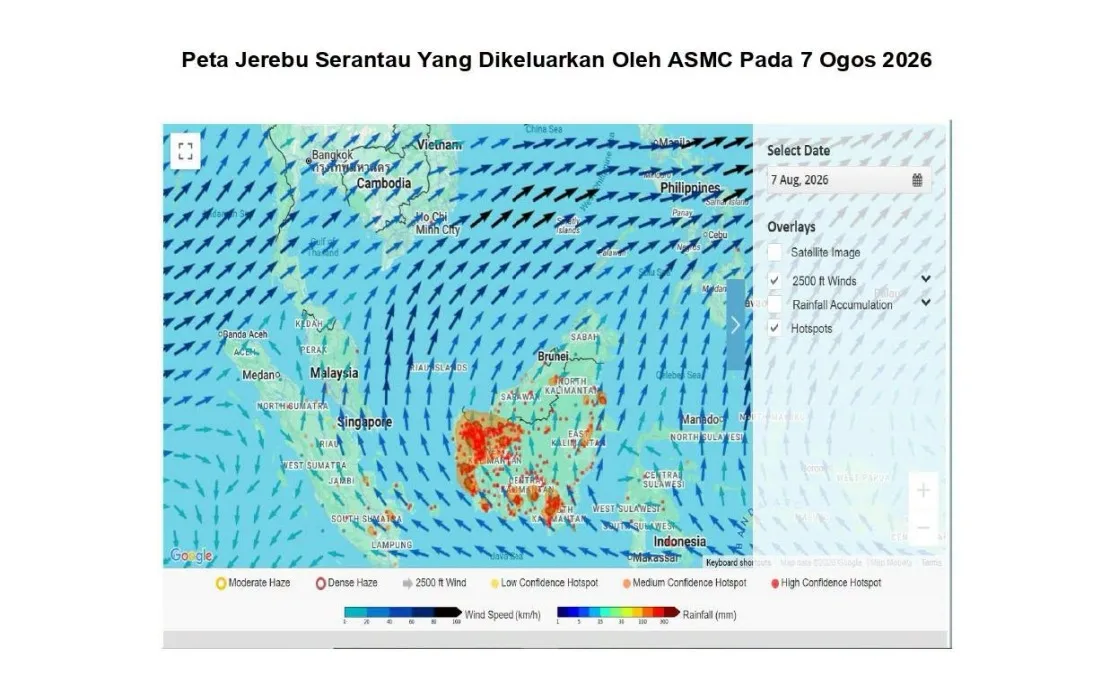
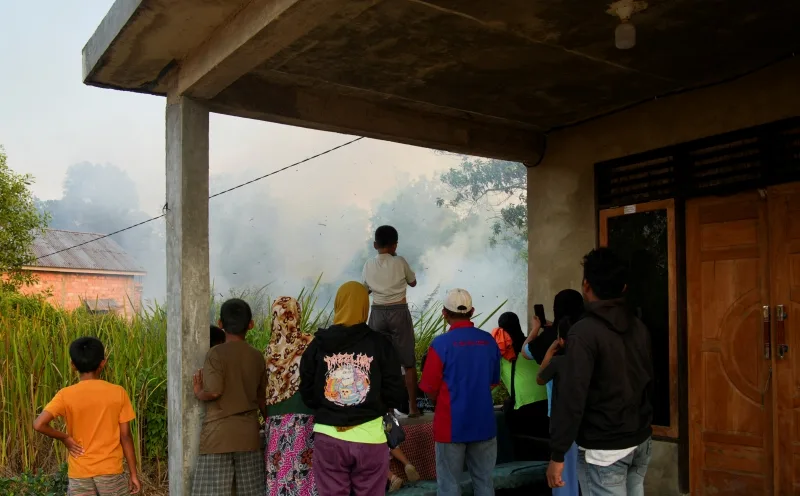
The haze is driven primarily by cross-border smoke from Kalimantan, Indonesia, where 643 hotspots were detected early August. Malaysia reported 25 hotspots, mostly in Sarawak (22), with two in Selangor and one in Terengganu, according to the ASEAN Specialised Meteorological Centre [1, 2, 3].
Azuri Azizah Saedon, DOE Deputy Director-General, said, “Air quality in the country today has deteriorated, with an increase in the number of areas recording unhealthy API readings, especially in Sarawak, due to haze movement from various directions.” She added the DOE is monitoring air quality continuously under the National Haze Action Plan and working with relevant agencies to implement countermeasures [1].
The Malaysian DOE has activated the National Open Burning Action Plan and the National Haze Action Plan to coordinate enforcement and prevent open burning [1, 2, 3]. Schools and outdoor activities have been restricted or halted in areas where the API exceeds 100 to protect public health [6, 3]. Azuri also warned that "Schools, kindergartens and nurseries must be closed immediately if the API reading exceeds 200" [3].
MetMalaysia forecasts hot and drier weather for most Borneo regions, including Sarawak, until August 14, which could worsen haze conditions by allowing smoke to build and spread from neighboring countries [4, 5]. Authorities continue monitoring the pollution levels closely as the haze persists.