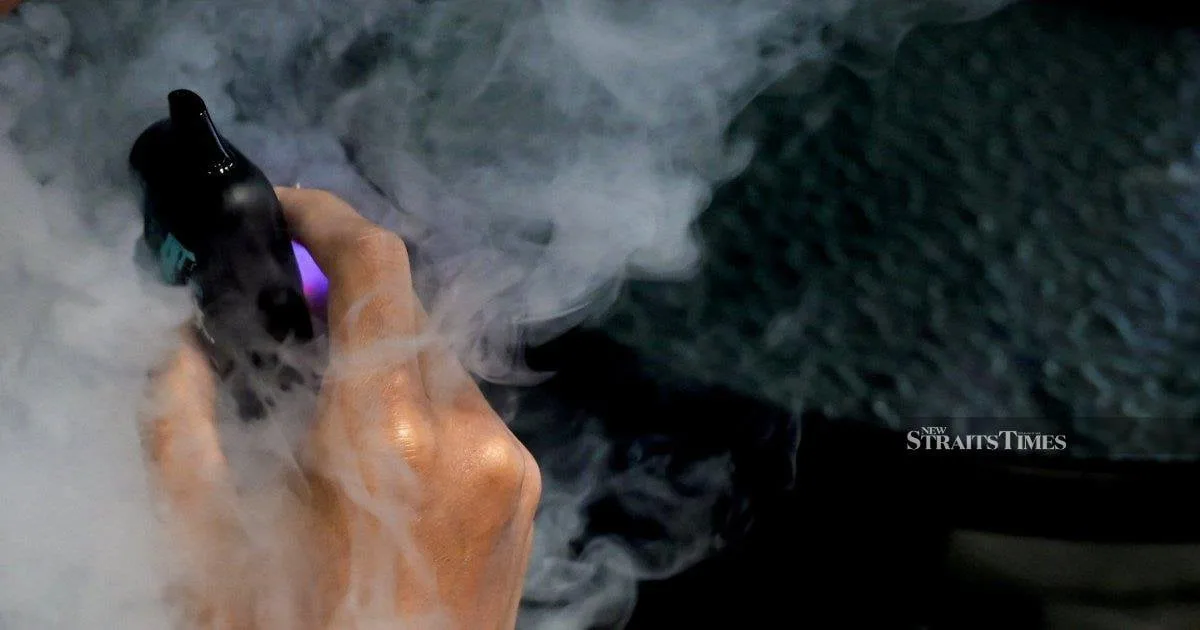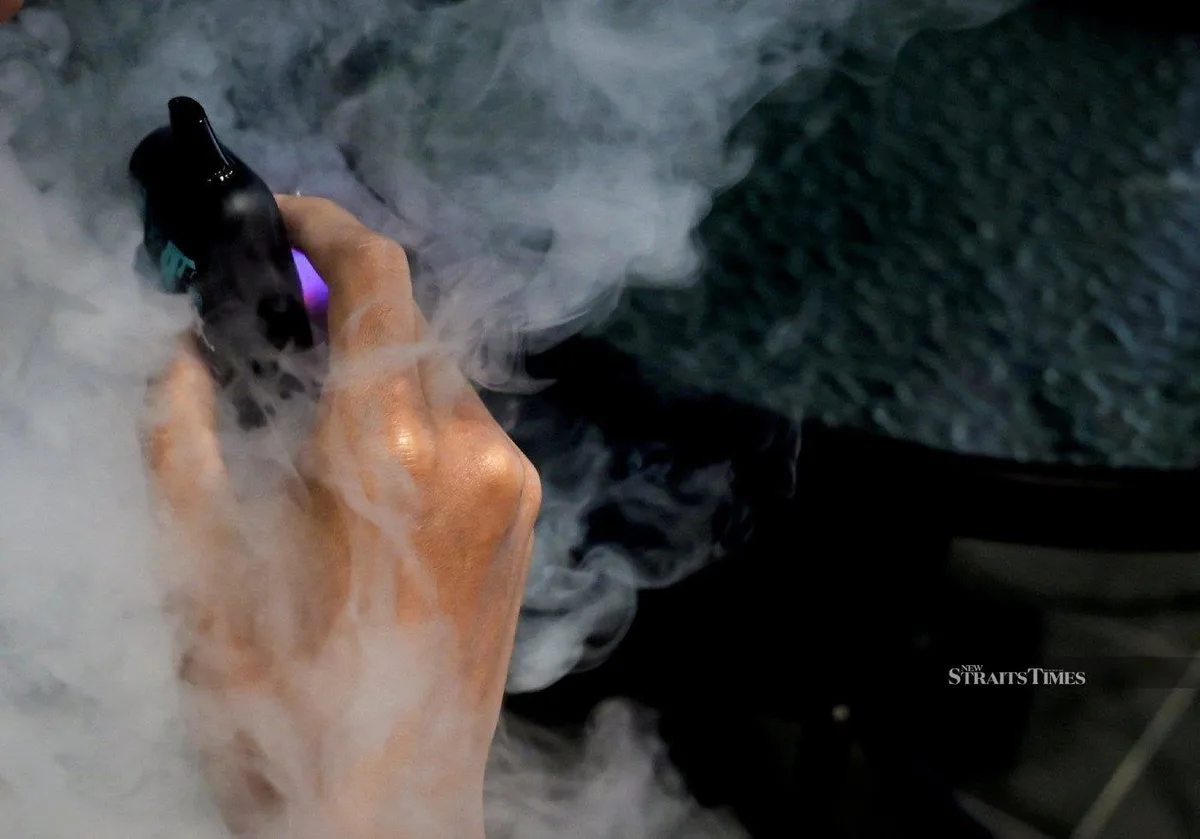
Vape products in Malaysia have rapidly shifted from open refillable devices to closed, pre-filled, and disposable vapes that are cheaper and more accessible, creating a public health challenge [1, 2]. The nicotine used has changed from harsher free-base to smoother nicotine salts, increasing appeal to first-time and young users [1, 2].
Synthetic nicotine has also appeared in vape products, complicating the detection and risk evaluation of toxic effects [1, 2]. Health experts warn that vape devices are increasingly misused to consume illicit drugs such as synthetic cannabis, fentanyl, and etomidate. These potent substances pose serious treatment difficulties and elevate health risks [1, 2].
Dr Nur Azzalia Kamaruzaman noted that "these devices are increasingly being misused as a medium for consuming drugs and prohibited substances" including "synthetic drugs such as synthetic cannabis, fentanyl and etomidate, which have extremely potent effects and are often difficult to treat using conventional clinical approaches" [2].
The National Poison Centre reports an alarming rise in vape addiction among minors nationwide. Modern vape devices are compact and easily concealed, making them especially attractive to school students [1]. Dr Nur Azzalia said, "The compact and modern design attracts new users, can be misleading and is easily concealed by school students" [2].
Certain states including Perlis, Kedah, Kelantan, Johor, and Penang have been identified as hotspots for vape misuse and addiction issues [1]. Malaysia passed dedicated vaping regulations in 2024 through the Control of Smoking Products for Public Health Act after nearly ten years without specific laws. Dr Nur Azzalia commented, "Malaysia took nearly a decade to introduce specific legislation to regulate vaping through the Control of Smoking Products for Public Health Act 2024" [1].
Despite the legislation, the vape industry expanded faster than regulatory capacity. Enforcement faces challenges due to limited and costly laboratory capacity to detect illicit substances in vape products [1].
The Control of Smoking Products for Public Health Act 2024 remains the key regulatory framework curbing vape-related harm in Malaysia [1, 2].