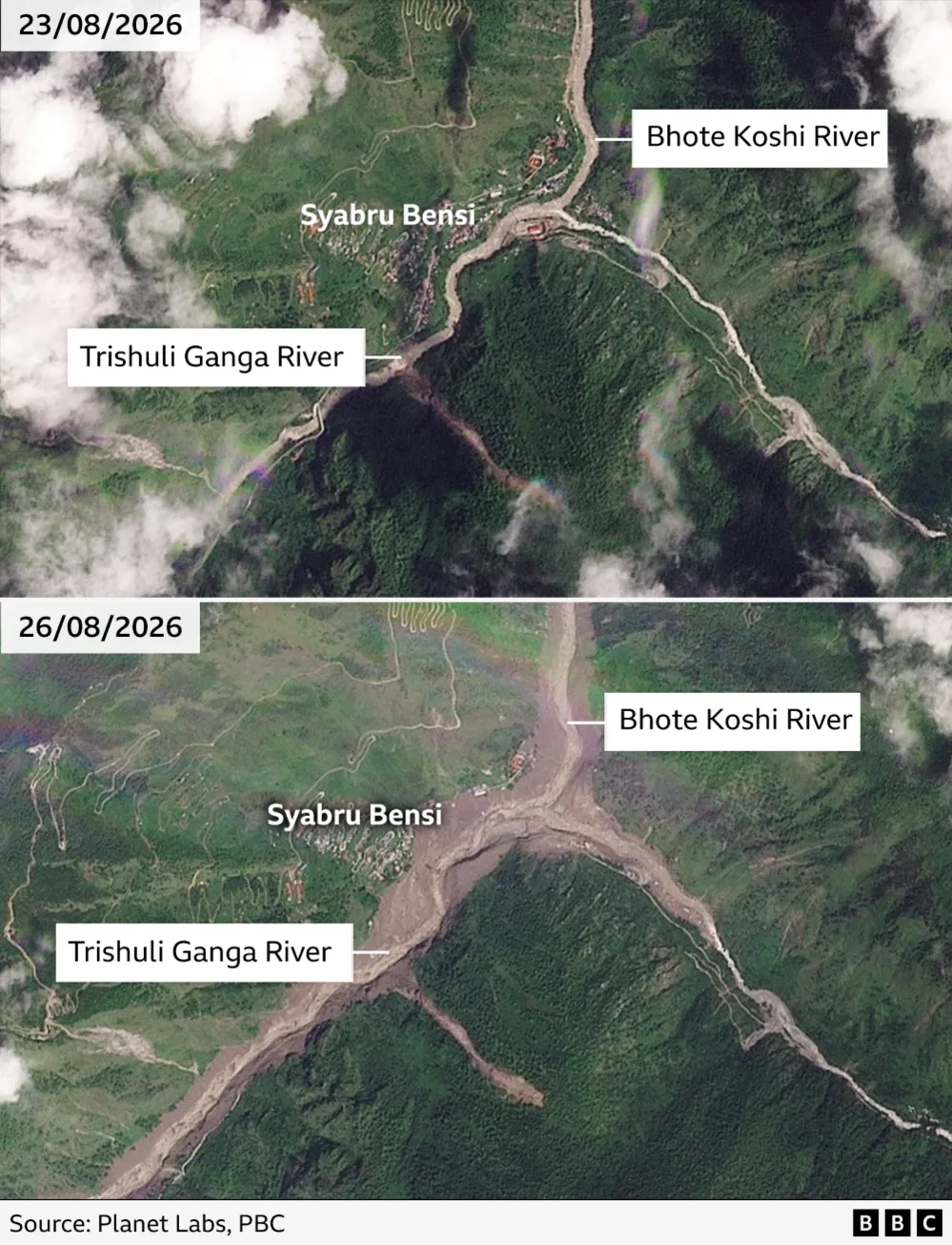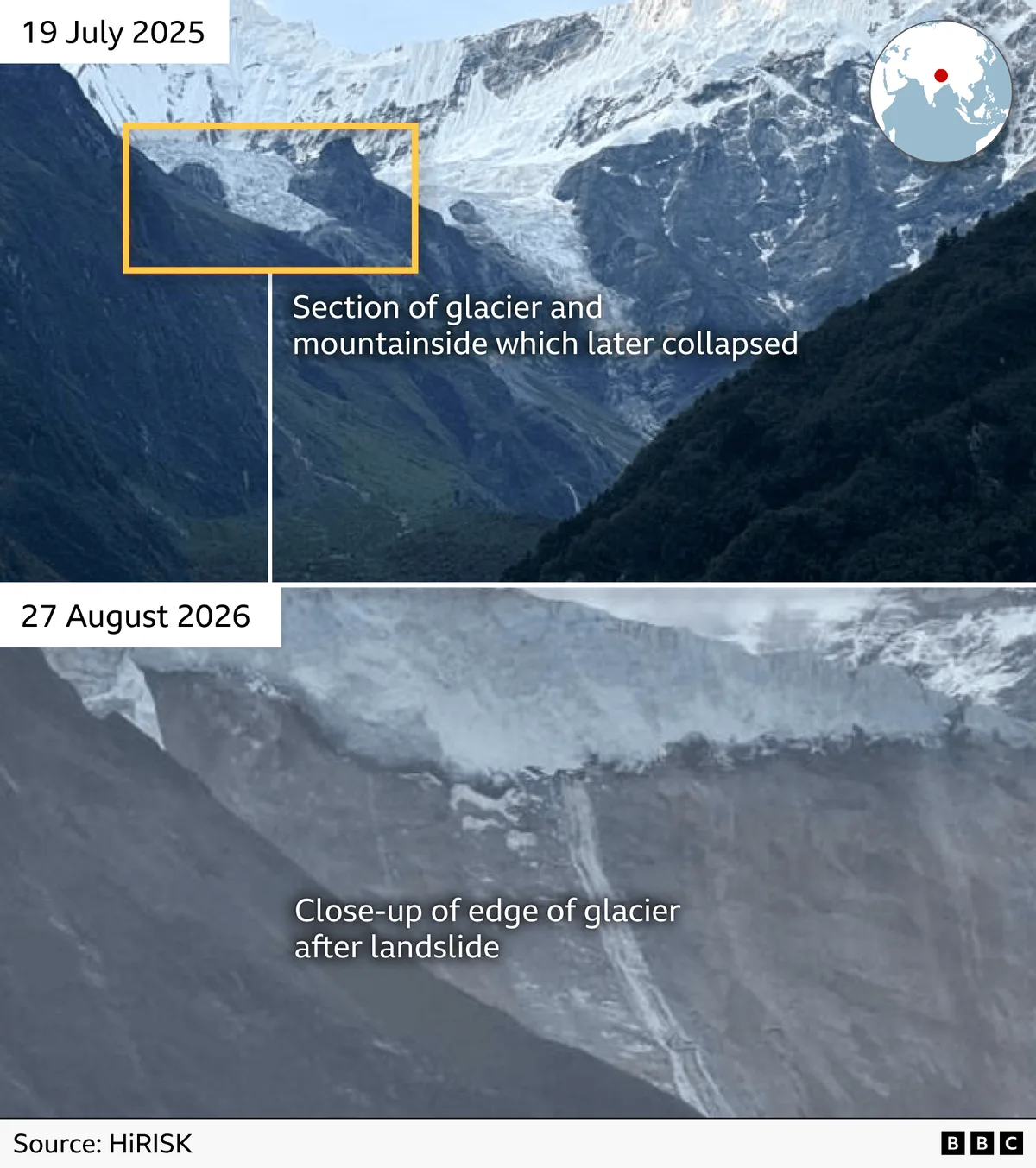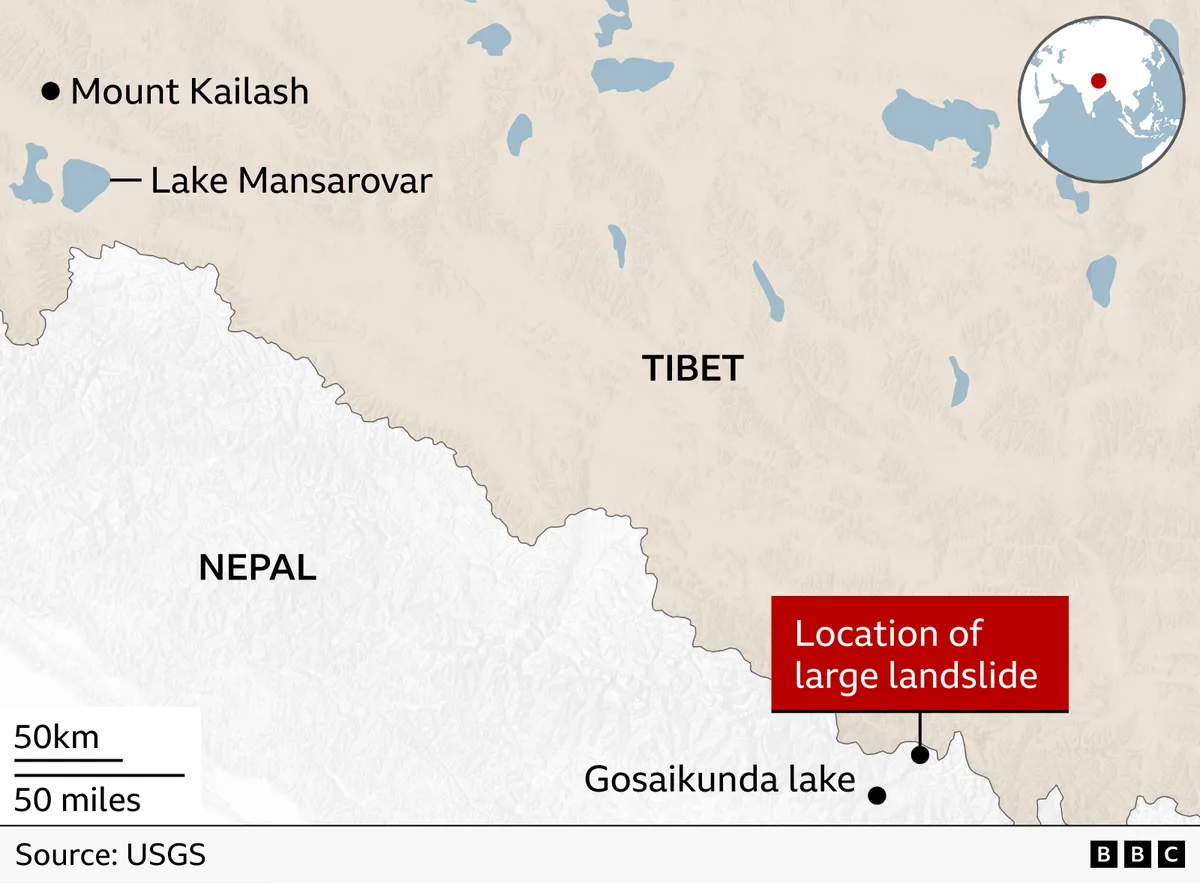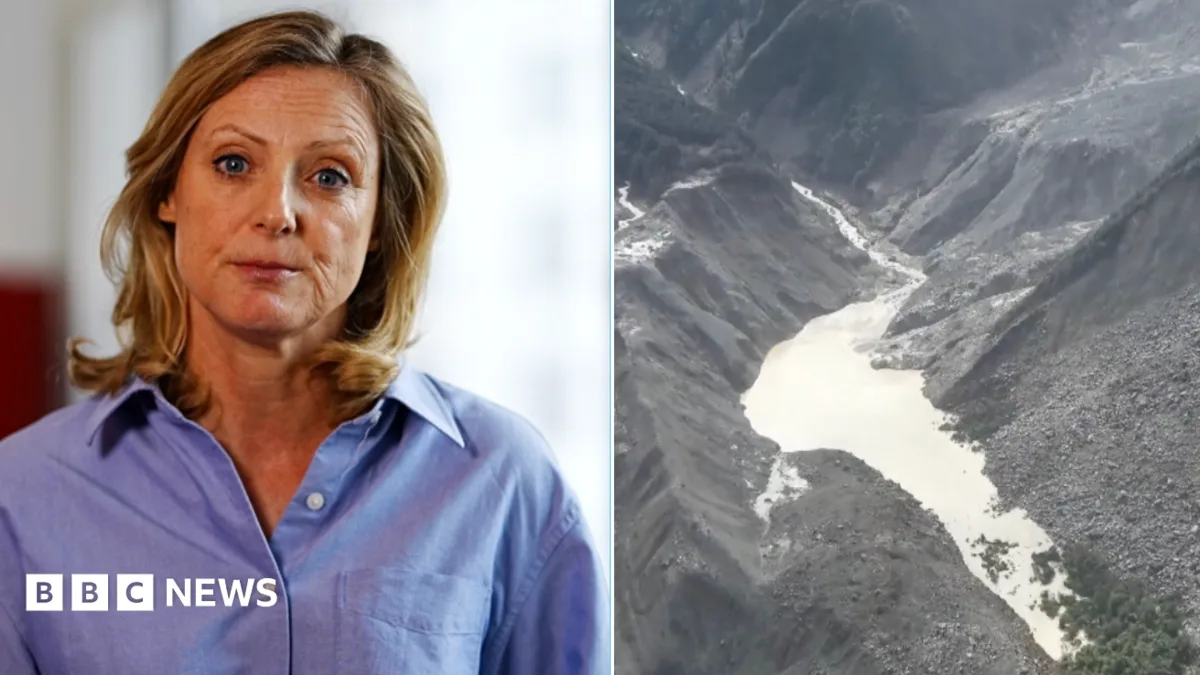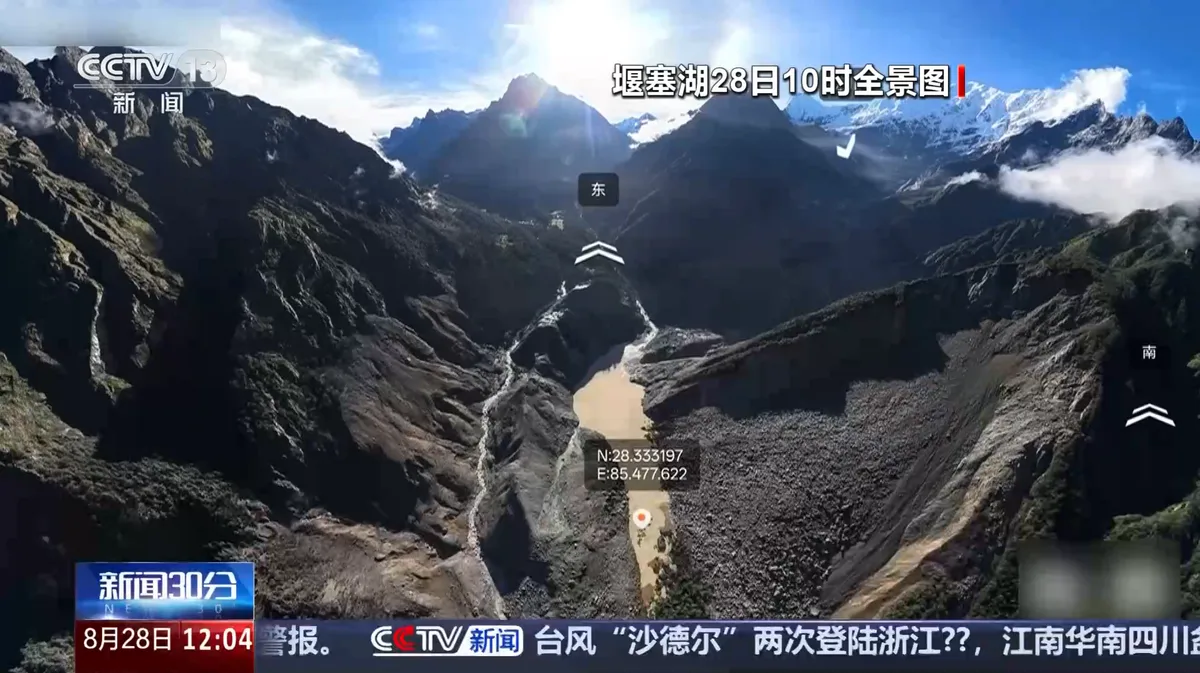
A massive flash flood struck the Nepal-Tibet border on August 26, 2026, after a mountain glacier collapsed into a river, destroying villages, bridges, hydropower stations, roads, and border facilities including the Friendship Bridge and immigration checkpoints at Rasuwagadhi and Gyirong [1, 2, 3, 4, 5, 6].
Early reports suggested an earthquake, but experts confirmed no seismic activity was involved; the disaster stemmed from the glacial collapse and debris flow [1, 2]. Heavy rainfall and melting glaciers driven by climate change likely contributed to the event. University of Dundee glaciologist Simon Cook said, "Climate change could have an impact... permafrost is partially holding some mountainsides together, this permafrost is warming and thawing and degrading so you are going to get more landslides" [1].
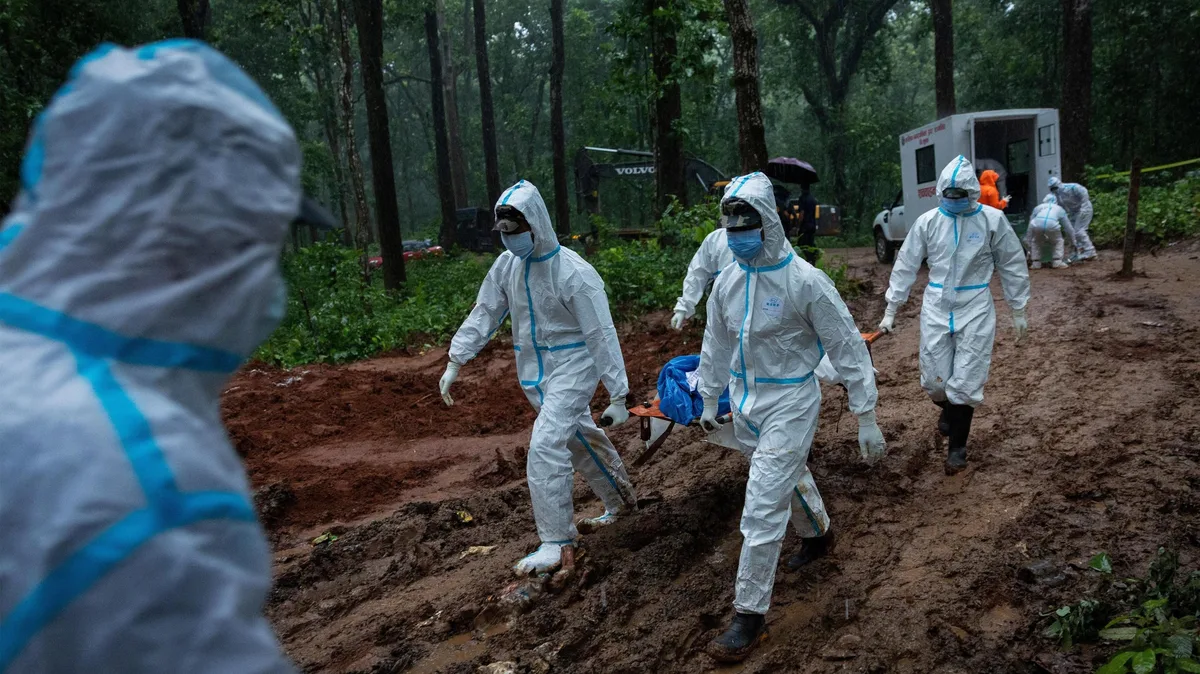
The flood has killed at least 1,114 people in Nepal with nearly 4,000 missing and displaced around 3,500, mostly housed in temporary shelters such as schools. In Tibet, 16 deaths and over 500 missing persons are confirmed [7, 6, 3]. Many of the missing are hydropower workers trapped in tunnels along the Trishuli River. Rescue teams have used explosives and air pumps to reach them. Survivor Pemba Dundu Tamang described his ordeal: "I was almost unconscious with shock. I could not think clearly... I feel life is meaningless now. Surviving feels miserable" [7, 8, 6].
Roads remain heavily damaged and often impassable due to mud and debris, slowing relief efforts [9]. Nepalese Prime Minister Balendra Shah reported, "11,379 people had been rescued so far. Rescue operations had been intensified" [7].
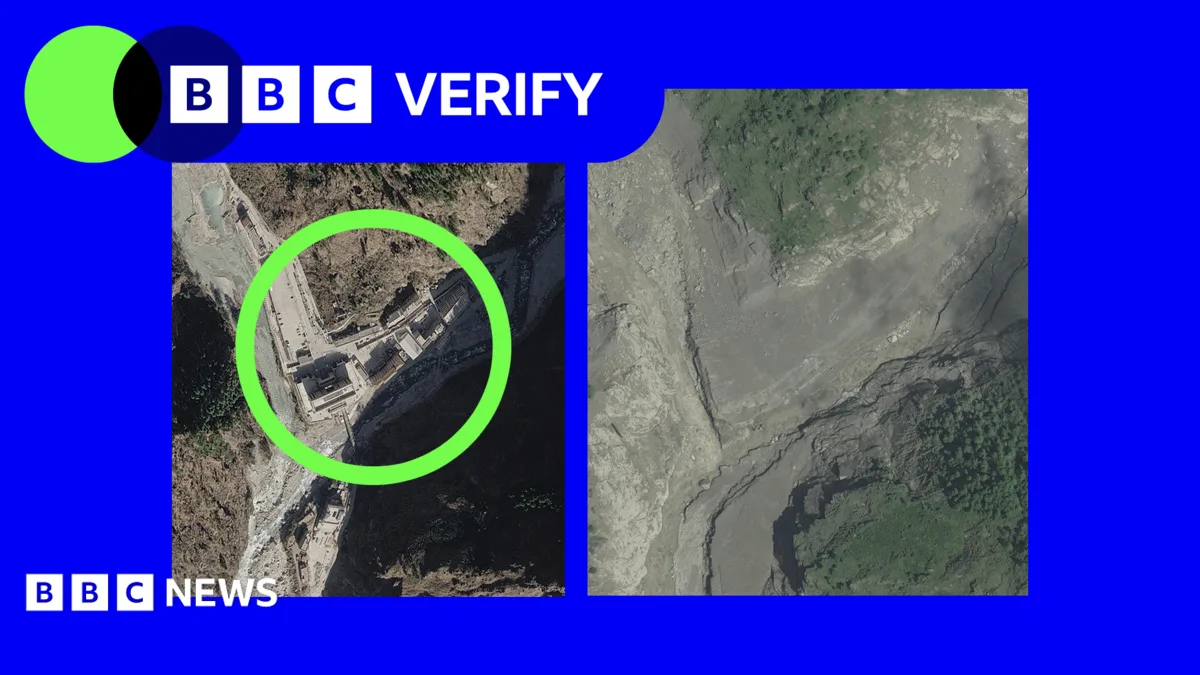
Satellite images on August 28 showed widespread damage along the Trishuli River, including villages and hydroelectric plants [4]. On September 1, Chinese authorities raised alarms about a barrier lake formed by landslide debris upstream with 2.5 million cubic metres of water threatening to burst and cause a second flood downstream [3, 10].
Nepalese and Chinese rescue teams, supported by international experts from India, Korea, and Australia, continue to search for survivors and provide aid [11, 7, 6]. On September 4, rescuers intensified efforts to reach trapped hydropower workers in tunnels using explosives and pumping air [7, 8].
As of today, September 6, reports confirm the high death toll and ongoing rescue work under difficult conditions. The unstable barrier lake remains a critical risk for additional flooding in the coming days [6, 3, 10].