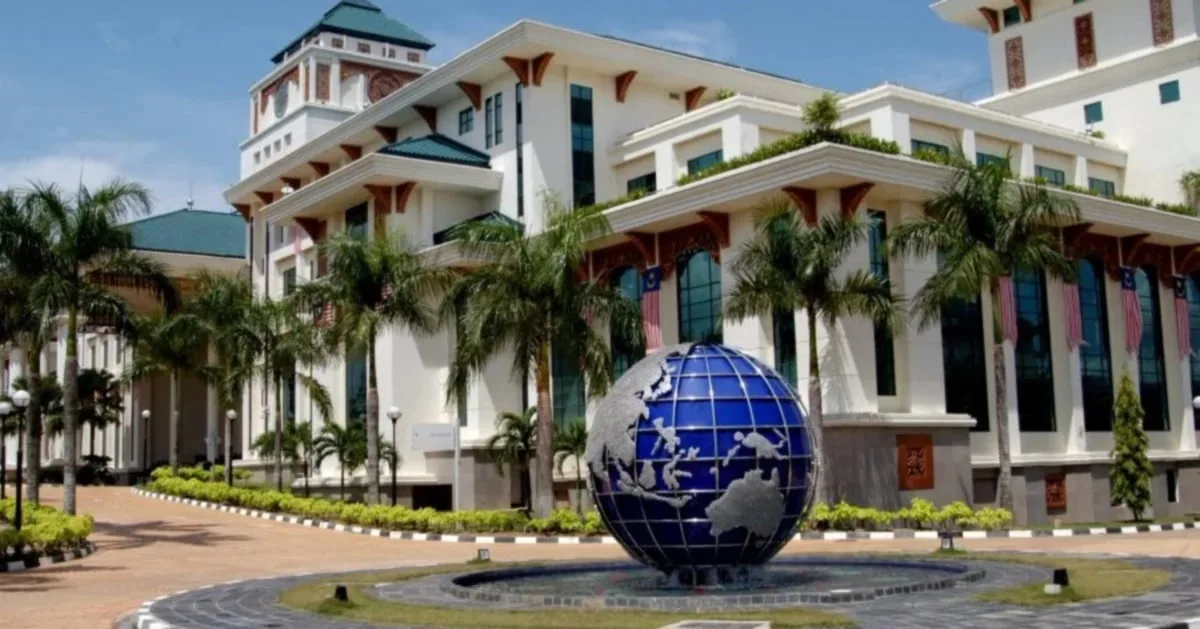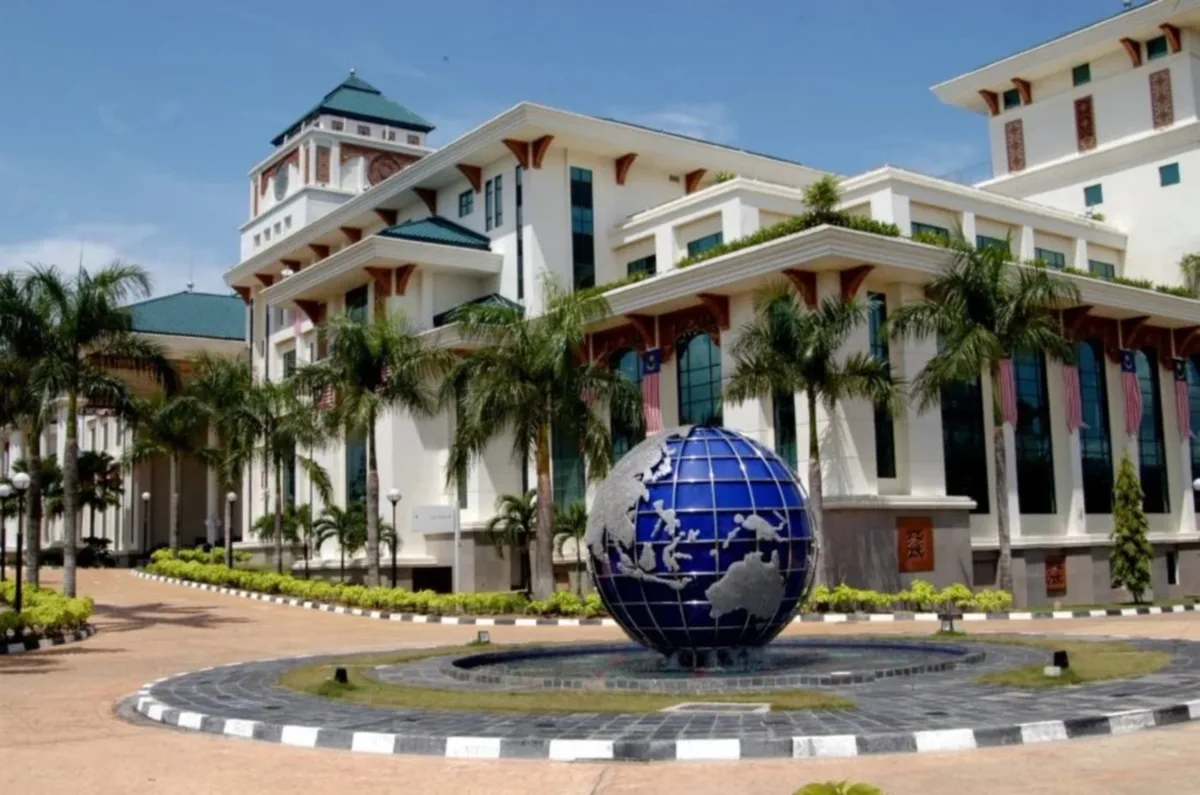
The 17th Malaysia-Indonesia Joint Commission for Bilateral Cooperation (JCBC) meeting took place on June 4, 2026, in Jakarta, co-chaired by Malaysian Foreign Minister Datuk Seri Mohamed Hasan and Indonesia's Foreign Minister Retno Marsudi [1, 2]. The meeting aimed to reinforce strategic cooperation between the two countries amid ongoing global geopolitical and economic challenges.
Key agenda items focused on economic cooperation, supply chain resilience, trade and investment promotion, energy and food security, and industrial supply inputs [1, 2]. Discussions also covered maritime and land border demarcation, cross-border trade, halal industry cooperation, defense and security, environment, and disaster management [2].
Malaysia relies heavily on imported coal for electricity generation, with 65% coming from Indonesia and 20% from Australia [1]. The two countries maintain ongoing energy cooperation between Indonesia’s Kalimantan and Malaysia’s Sarawak regions. Malaysian Embassy Jakarta charge d'affaires Farzamie Sarkawi noted, "There is already energy cooperation between Kalimantan and Sarawak, while Malaysia continues to import coal from Indonesia. The priority is to ensure the continuity of these supplies" [1].
The meeting followed up on agreements made during the 13th Malaysia-Indonesia Annual Consultation in July 2025. It also aimed to set the agenda for the 14th consultation, to be hosted by Malaysia [1, 2]. Sarkawi said, "Tomorrow, we want to establish a clear direction and agenda. If possible, we want to accelerate ongoing discussions so that tangible outcomes can be presented at the 14th Annual Consultation" [1].
Senior officials from both countries met on June 3, 2026, to finalize the agenda and documents for the ministerial meeting scheduled the next day [2]. Multiple memorandums of understanding and cooperation initiatives between Malaysian and Indonesian agencies were reportedly under negotiation and expected to advance during the JCBC meeting [2].
Farzamie Sarkawi emphasized the importance of strong bilateral relations amid regional supply disruptions, saying, "At a time when global supply disruptions are placing pressure on regional supply chains, strong bilateral relations between Malaysia and Indonesia are increasingly important" [1].