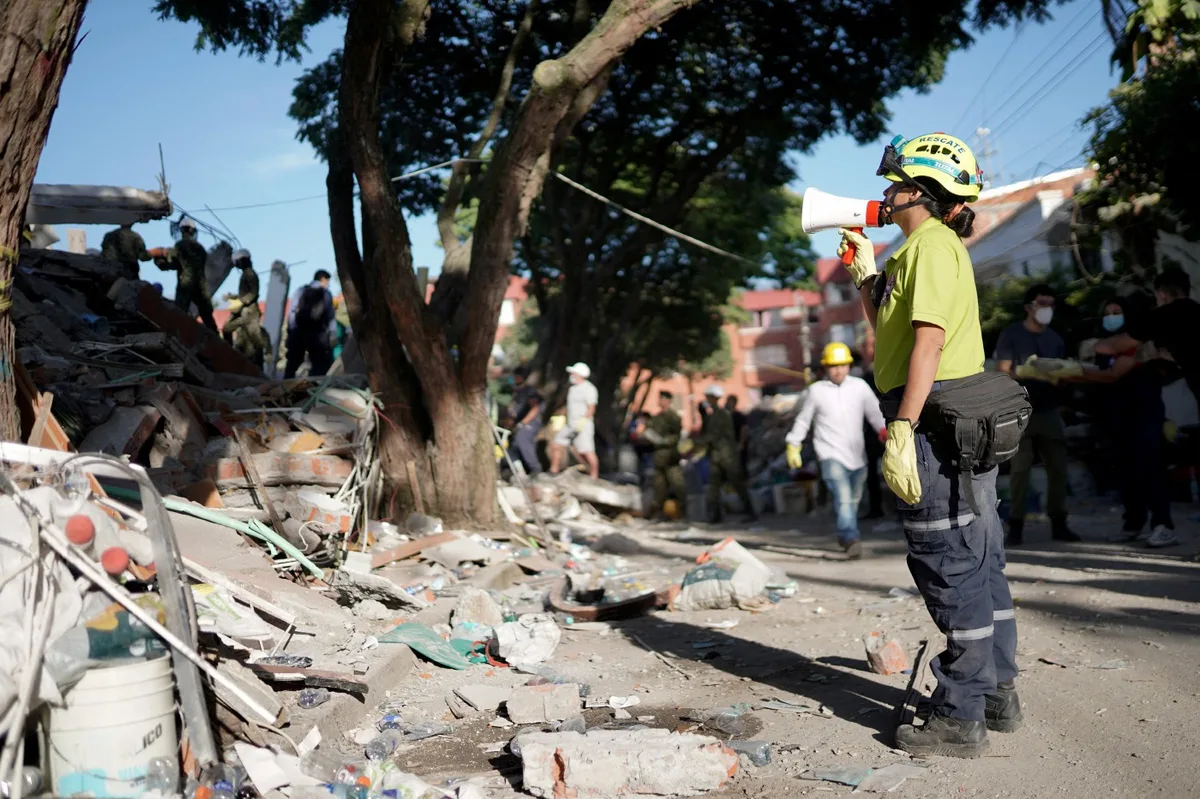
A magnitude 7.4 earthquake struck western Colombia near San José del Palmar in Chocó Province at about 7:34 a.m. local time on August 10, 2026 [1, 2, 3, 4]. The tremors were widely felt throughout Colombia in cities such as Cali, Pereira, Manizales, Armenia, and Bogotá, as well as in neighboring countries including Panama, Ecuador, and Venezuela [1, 2, 5, 3, 4].
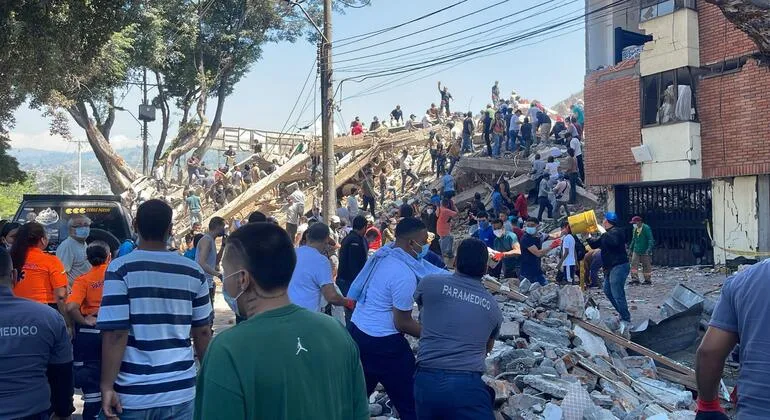
The quake caused at least 126 deaths and injured 1,495 people according to official reports [1]. Some sources report the death toll could be higher, at least 132, with hundreds still missing [5]. Approximately 5,000 houses suffered damage, including 387 destroyed, and 61 buildings collapsed [1]. The impact extended to public infrastructure with over 550 educational institutions, 24 medical facilities, and 350 community centers affected [1].
Damage was severe in the Cauca Valley, particularly in Cali, where health infrastructure was heavily impacted [1]. Six provinces reported damage to 24 medical facilities. Transportation suffered as well, leading to the temporary closure of six airports for safety inspections [1].
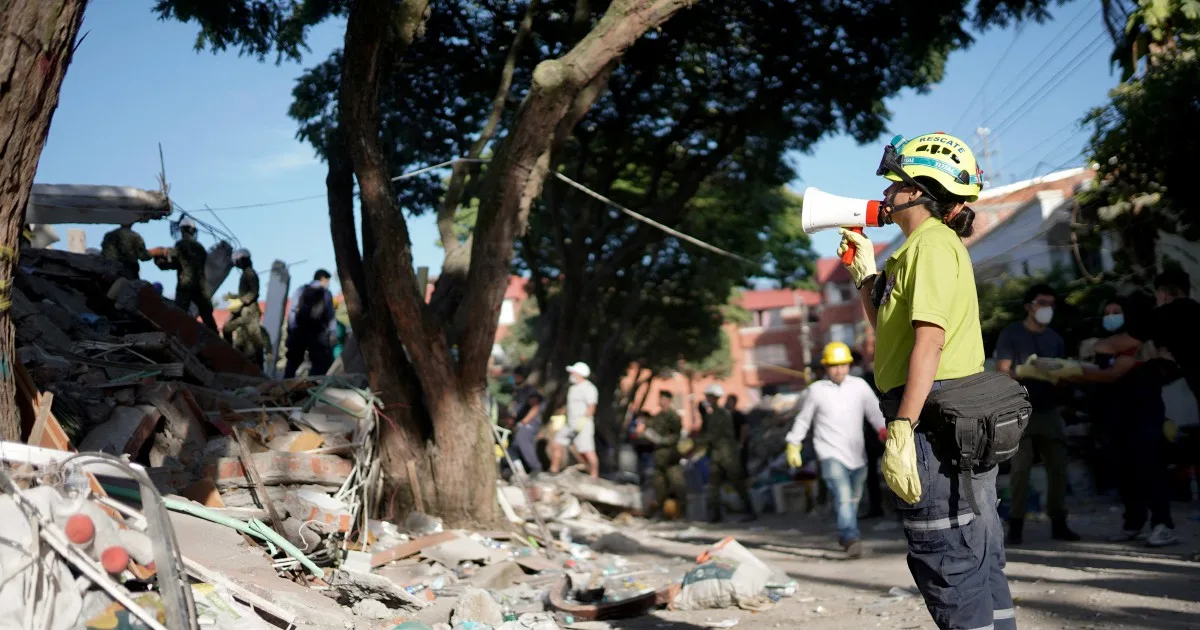
Local governments activated emergency coordination centers to lead rescue operations and assess ongoing damage [1]. The Colombian nuclear verification team leader expressed solidarity with victims and readiness to support authorities in response efforts [1].
United Nations agencies including the UN Humanitarian Affairs Office, UNICEF, WHO, and UNDP are closely monitoring the situation and prepared to assist the Colombian government as needed [1].
The Foreign Ministry of Malaysia confirmed on August 11 that all registered Malaysians in Colombia are safe and accounted for [2, 5, 3, 4]. Malaysia's Foreign Ministry expressed sympathy for those affected, stating, "The Ministry extends its deepest sympathies to the government and people of the Republic of Colombia, especially those affected by this devastating natural disaster." Authorities urged Malaysians in Colombia to remain vigilant and follow local emergency instructions [2, 3, 4].