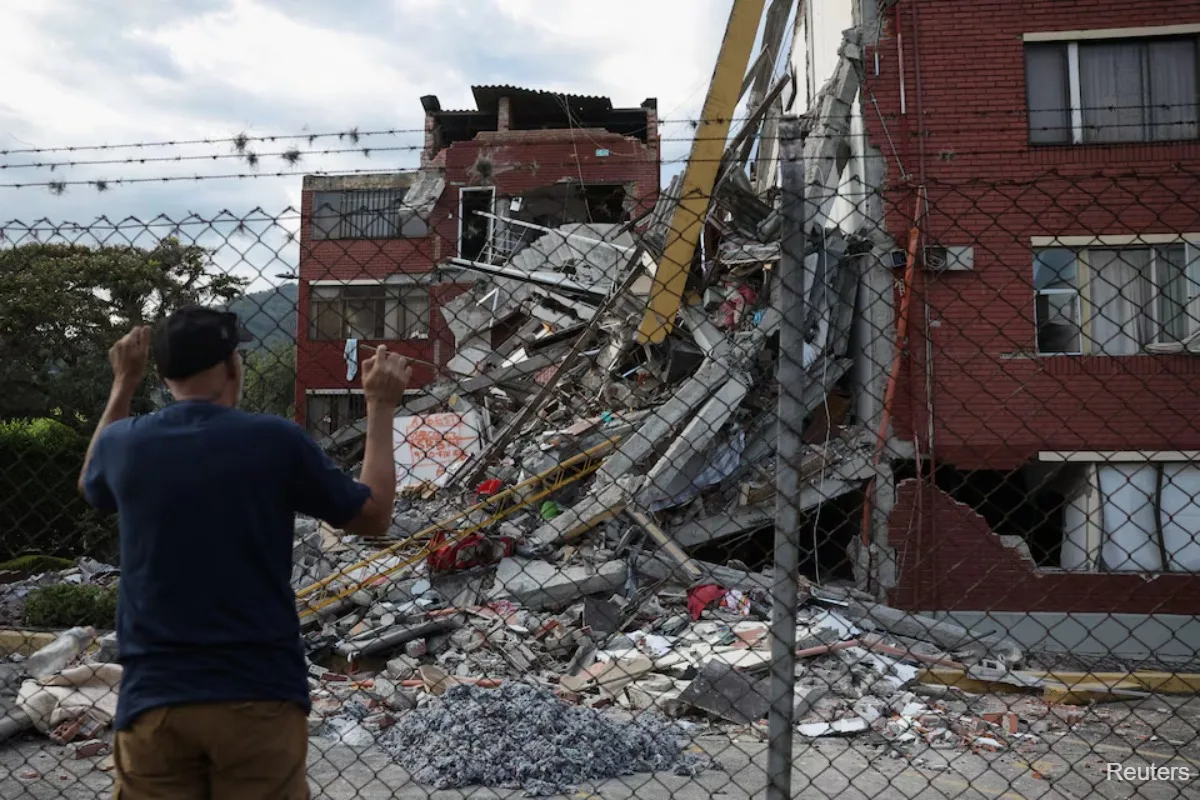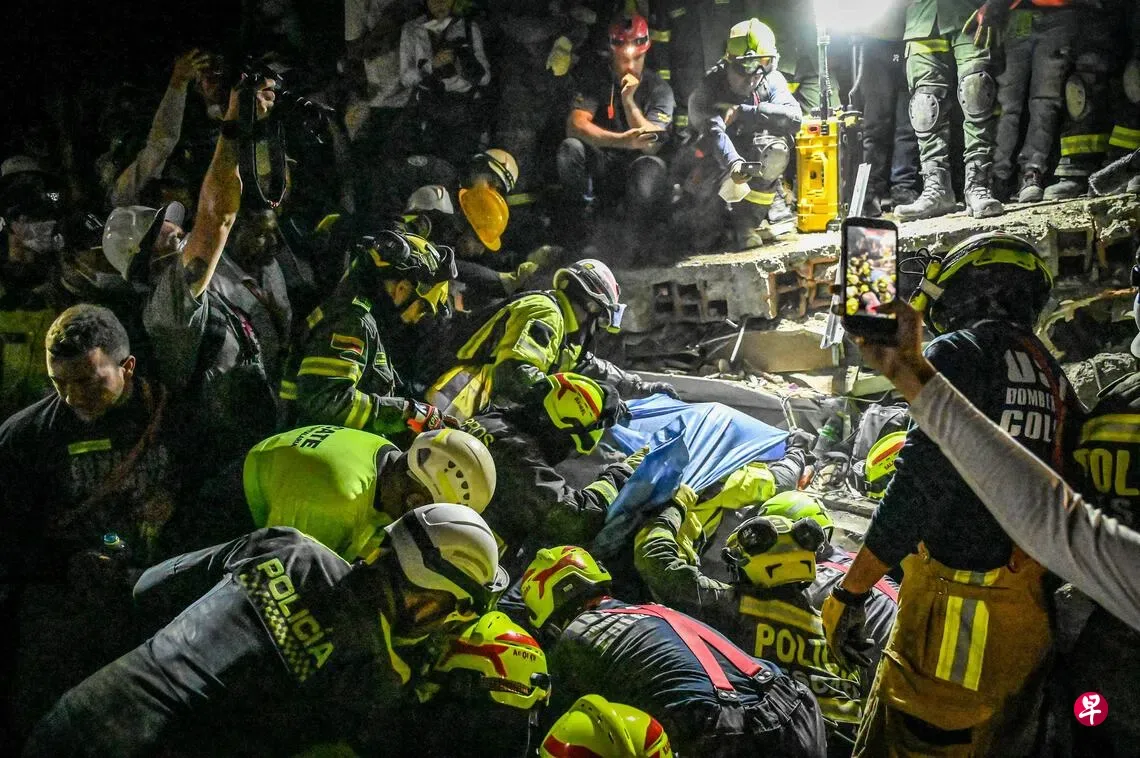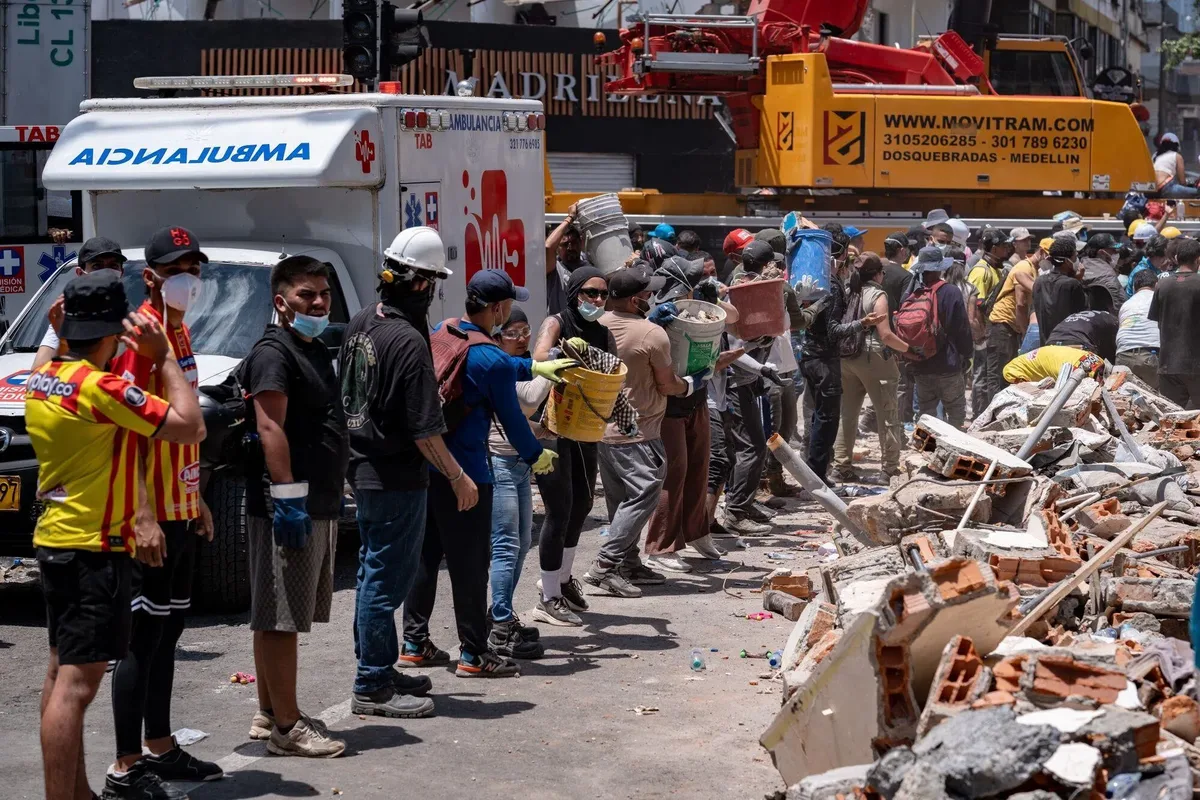
A 7.4-magnitude earthquake struck western Colombia early on August 10, 2026, the strongest in a century, significantly affecting cities including Pereira and Cali and damaging homes, schools, hospitals, and infrastructure [1, 2, 3, 4, 5, 6, 7].
The earthquake has caused at least 281 deaths, with estimates ranging from 250 to 287, and more than 3,900 injuries; hundreds are reported missing, although figures vary widely, from official counts of 195 to 500 missing to civilian databases listing over 4,000 unaccounted for [1, 2, 3, 8, 5, 9, 10, 6, 11, 7]. President Abelardo de la Espriella said, "Our efforts are focused on the disappeared," emphasizing ongoing rescue priorities [3].
Neighborhoods were flattened and about 13,000 houses damaged, with many hospitals partially collapsing and forcing some patient care outdoors [1, 4, 6, 7]. Thousands of families—between roughly 3,700 and 25,800—have been displaced, and many survivors continue to sleep outside or in parks due to fears of aftershocks and unsafe homes [1, 3, 8, 5, 6, 7].
Rescue teams, supported by volunteers using cranes, search dogs, and heavy machinery, continued operations beyond the critical first 72 hours despite difficult conditions including power outages in indigenous communities [1, 2, 3, 4, 5, 9, 6, 7]. David Tamayo, head of Colombia's National Unit for Disaster Risk Management, said, "Unfortunately, we are reaching a point where the likelihood of finding survivors is dwindling, but our mission is to keep searching and find all those people who are reported missing" [2].
Colombia declared three days of national mourning following the disaster. President de la Espriella, who took office days before the quake, announced an emergency state and aid measures including waiving utility fees for three months and rental support for affected families [1, 8, 4, 5, 6, 11, 7].
International assistance arrived or was pledged from the US, El Salvador, Ecuador, and Israel. The U.S. pledged $15.5 million in emergency aid [6, 7]. Mexico’s claim that its rescue teams were denied entry was denied by Colombian officials [6].
Local healthcare and emergency systems were severely tested as aftershocks and communication outages continued [1, 3, 12, 6, 7]. Survivors like Daniela Largo’s mother expressed relief over rescues, saying, "Thanks to him, we can be so happy today. Largo’s 12-year-old son is waiting for her at home" [1].
As of August 14, rescue efforts shifted more toward debris removal as hopes for more survivors fade. Death toll estimates rose above 265, and hundreds to thousands remain missing [2, 3, 9, 10, 11].