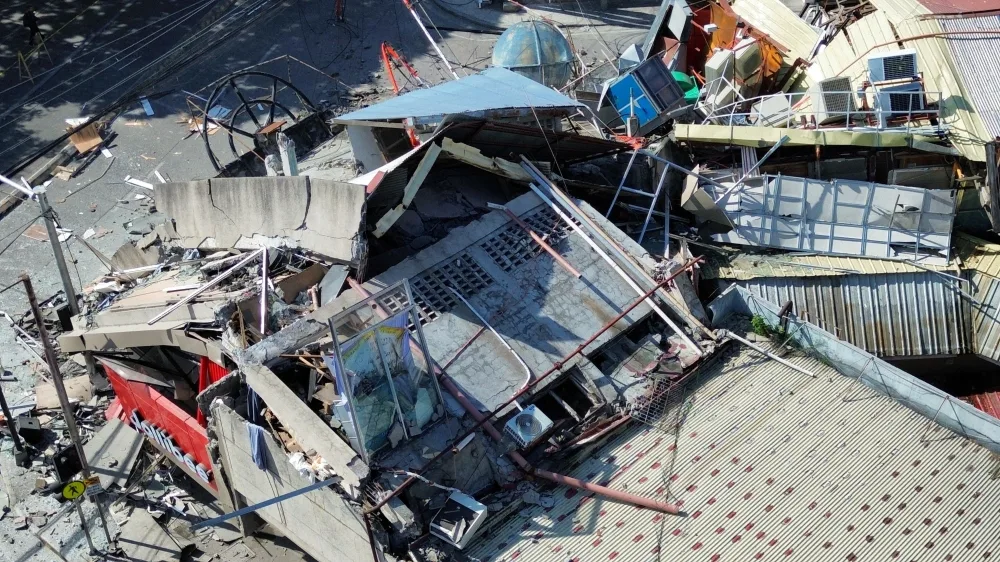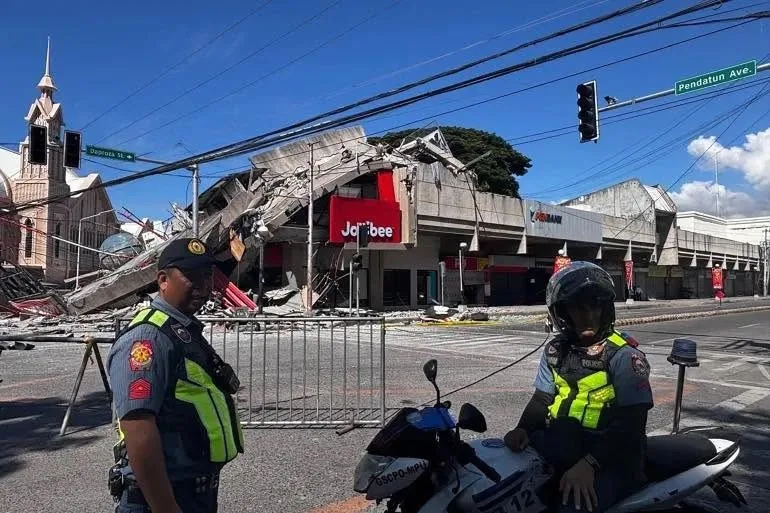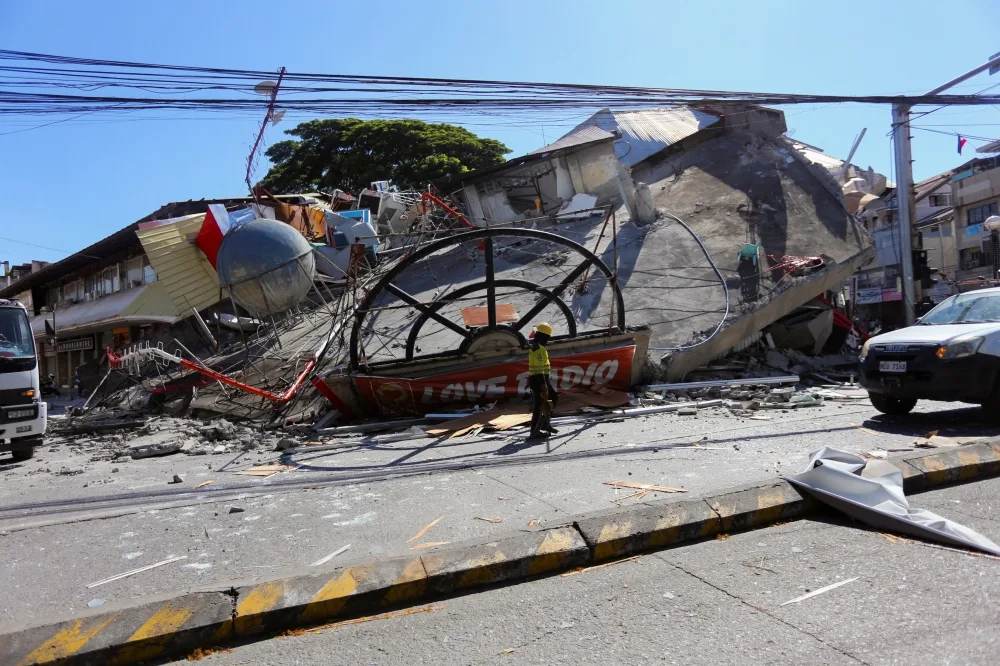
A powerful 7.8 magnitude earthquake struck about 20 kilometers off Sarangani province in southern Mindanao, Philippines early on June 8, 2026. The quake’s epicenter was located at latitude 5.7 degrees north and longitude 125.1 degrees east, at a depth of 50 kilometers beneath the surface [1, 2].
At least 32 people died and dozens were injured, primarily due to falling debris and landslides triggered by the tremor across Mindanao [1]. Philippine authorities initially reported eight fatalities following the earthquake, but the death toll has since risen [2].
Tremors were strongly felt across Mindanao and extended as far as Manado on the Indonesian island of Sulawesi and Sabah in Malaysia [1, 2]. In response, tsunami warnings were promptly issued for southern Philippines, northern Indonesia, and Sabah. These warnings were lifted about six hours later around noon on June 8 [1, 2].
Emergency and disaster agencies along affected coastal areas, including Sabah, remained on high alert and engaged in monitoring and preparedness efforts [2]. Philippine President Ferdinand Marcos Jr ordered an immediate disaster response, stating, "The national government is moving and we will not leave Mindanao behind" [1].
Malaysia’s Prime Minister Datuk Seri Anwar Ibrahim expressed solidarity with the Philippines and readiness to provide assistance. He said, "Our thoughts and prayers are with the Filipino people. Malaysia stands ready to render whatever assistance may be required. Malaysia and the Philippines are close friends and ASEAN partners. I pray for the safety and well-being of all those affected, wishing them strength and courage in the difficult days ahead." [2]
Authorities continue to assess damage and coordinate relief efforts as aftershocks and regional safety remain primary concerns following the strong earthquake.