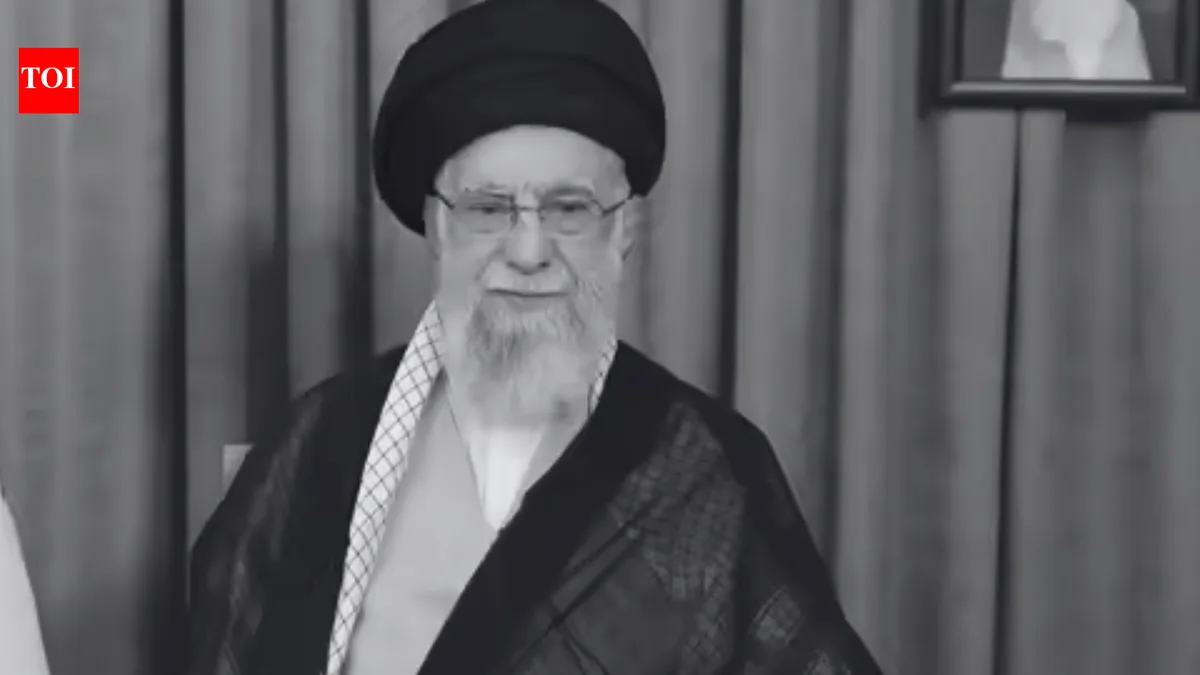
Iran’s longest-serving supreme leader, Ali Khamenei, was killed in a joint US-Israel air strike in February 2026 and has yet to be buried more than 100 days later, according to Iranian and international sources [1, 2]. His funeral has been repeatedly promised but delayed due to unresolved security concerns and unclear status of his remains, an unusual situation given Shi’ite Islamic tradition generally urges prompt burial [2].
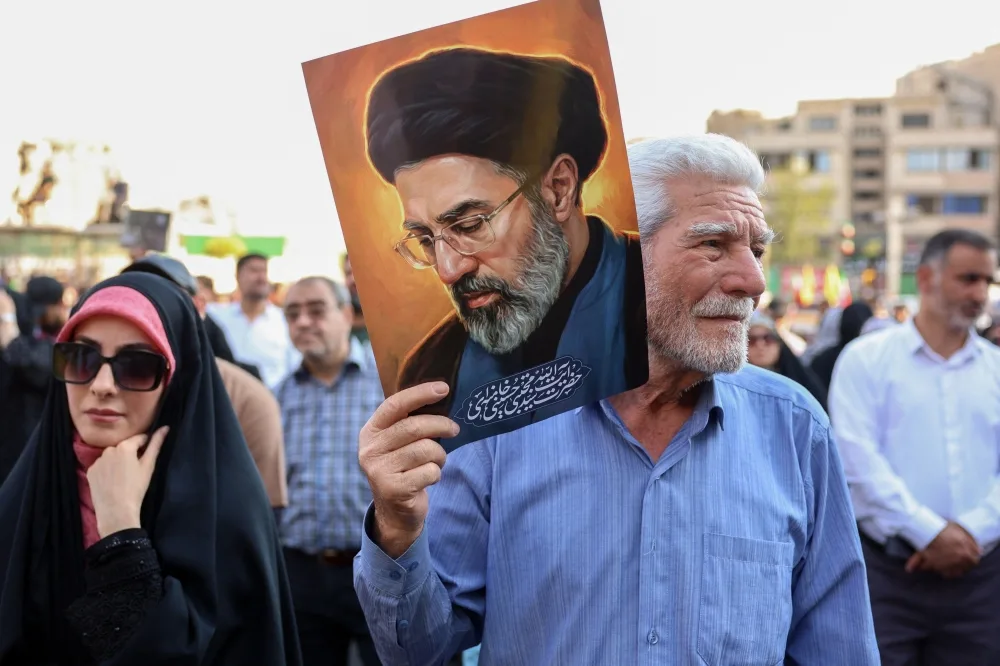
Mojtaba Khamenei, Ali’s son, succeeded him as supreme leader but has made no public appearances since the strike [1, 2]. Iranian officials have confirmed Mojtaba was wounded in the attack, though accounts vary on the extent and timing of his injuries. Some sources say he was seriously hurt; others maintain he survived with minor wounds, fueling speculation about his condition [1, 2].
Mojtaba has issued about a dozen written statements over recent months, including one on June 6 marking the 37th anniversary of Ayatollah Khomeini’s death, but experts say his personal role in policy and overall power remain far below that of his father [1]. Farzan Sabet, a regional expert, said Mojtaba probably helps oversee "the general direction of policy, including topline positions for negotiations with the US," but his personal engagement is limited compared to his father [1]. University of Ottawa professor Thomas Juneau also described Mojtaba’s influence as unclear, though he is close to dominant players such as Revolutionary Guards commanders [1].
Current power in Iran appears exercised by an informal committee of Revolutionary Guards leaders and senior politicians. Mojtaba is close to these key figures but is not fully in control [1]. US officials have indicated Mojtaba remains involved at some level; US Secretary of State Marco Rubio said "there are indications out there that he is increasingly engaging at some level," while former President Donald Trump stated Khamenei was “involved, absolutely” [1].
The 100-day delay since Ali Khamenei’s death without a burial contrasts with Shi’ite traditions and suggests exceptional security and political challenges remain unresolved in Tehran [2]. The status of Mojtaba’s health and influence continues to be a key question amid Iran’s opaque leadership dynamics following the strike.
No new date has been set for Ali Khamenei’s funeral as of late August 2026, and uncertainty prevails over who will ultimately consolidate power in Iran.