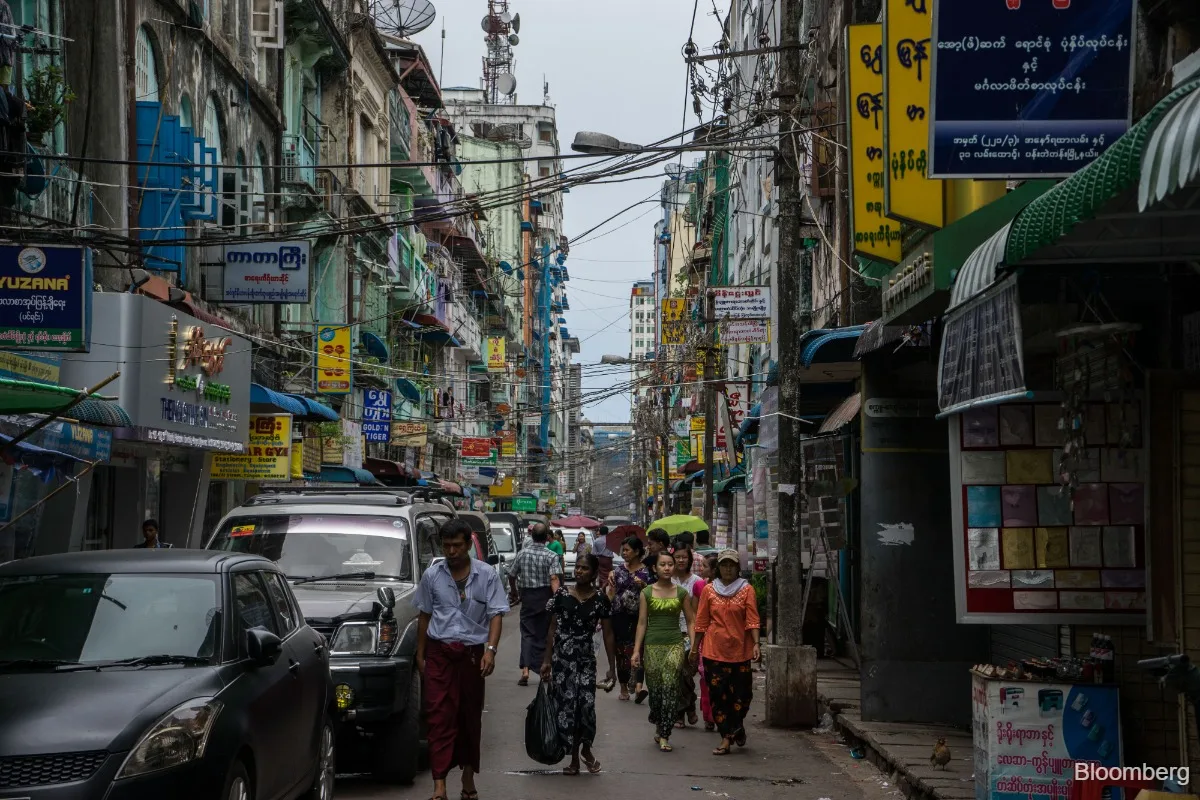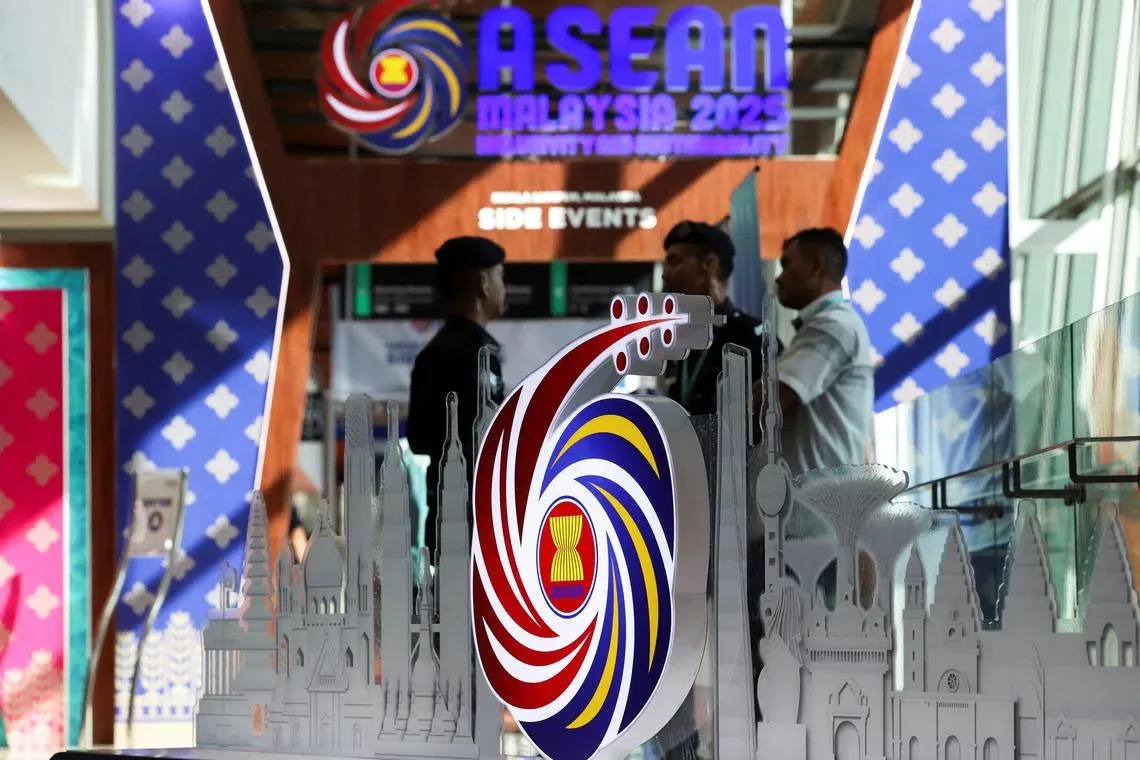
ASEAN foreign ministers met Myanmar's foreign minister Tin Maung Swe on July 12, 2026, in Bangkok for informal consultations, marking the first in-person face-to-face engagement since the 2021 military coup in Myanmar [1, 2, 3, 4, 5].
The meeting focused on ending Myanmar's ongoing civil war, promoting cessation of violence, encouraging constructive dialogue among conflicting parties, and discussing humanitarian assistance along with ASEAN's Five-Point Consensus on peace [1, 2, 3, 5]. The conflict, which erupted after the 2021 coup, has claimed over 100,000 lives and displaced millions within the country [1, 2, 4].
Myanmar’s military chief Min Aung Hlaing, who became the civilian president following elections earlier this year, has been seeking to restore Myanmar’s ties with ASEAN after years of isolation and exclusion from summits by the bloc's 11 member states [1, 2, 6, 5]. His recent state visit to Laos was his first trip to an ASEAN member country since assuming the presidency at the end of June [1, 6].
ASEAN members Thailand, Vietnam, and the Philippines confirmed attendance at the Bangkok meeting. The Philippines, as ASEAN chair in 2026, hosted the meeting set in Bangkok[ s1,s2,s3,s5,s6]. Vietnam's foreign ministry spokesperson Pham Thu Hang described it as an opportunity for ASEAN ministers to exchange views, strengthen cooperation, and promote reconciliation dialogue in Myanmar [1].
Thai deputy foreign ministry spokesperson Maratee Nalita Andamo said the consultations represent "an important step towards gradual and principled engagement with Myanmar to encourage positive and concrete developments" [3]. Myanmar's ASEAN affairs director general Han Win Aung expressed optimism stating, "I believe that in the near future, we will regain our original role and rights within ASEAN" [3].
Officials emphasized that the informal meeting does not change ASEAN's established official position or past decisions regarding Myanmar but serves as a platform to explore paths toward peace and engagement [3, 4]. Myanmar’s foreign minister also pledged to brief ASEAN counterparts on domestic efforts including cracking down on online scams and illegal drugs [3].
The meeting followed announcements by Vietnam and Thailand confirming the talks on July 9 and the Philippines announcing its role as chair on July 10 [1, 2, 3, 6, 5].
The ASEAN foreign ministers’ informal consultations on July 12 in Bangkok remain the first direct diplomatic engagement with Myanmar’s foreign minister since the coup, signaling tentative steps to address one of Southeast Asia’s longest-running crises [1, 2, 3, 4, 5].