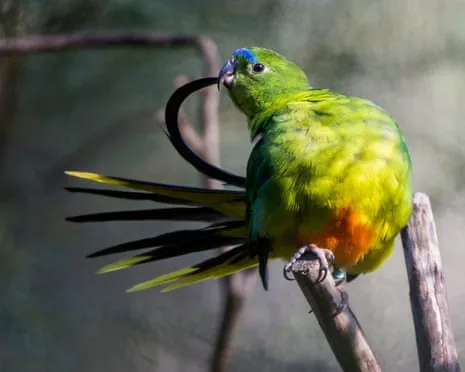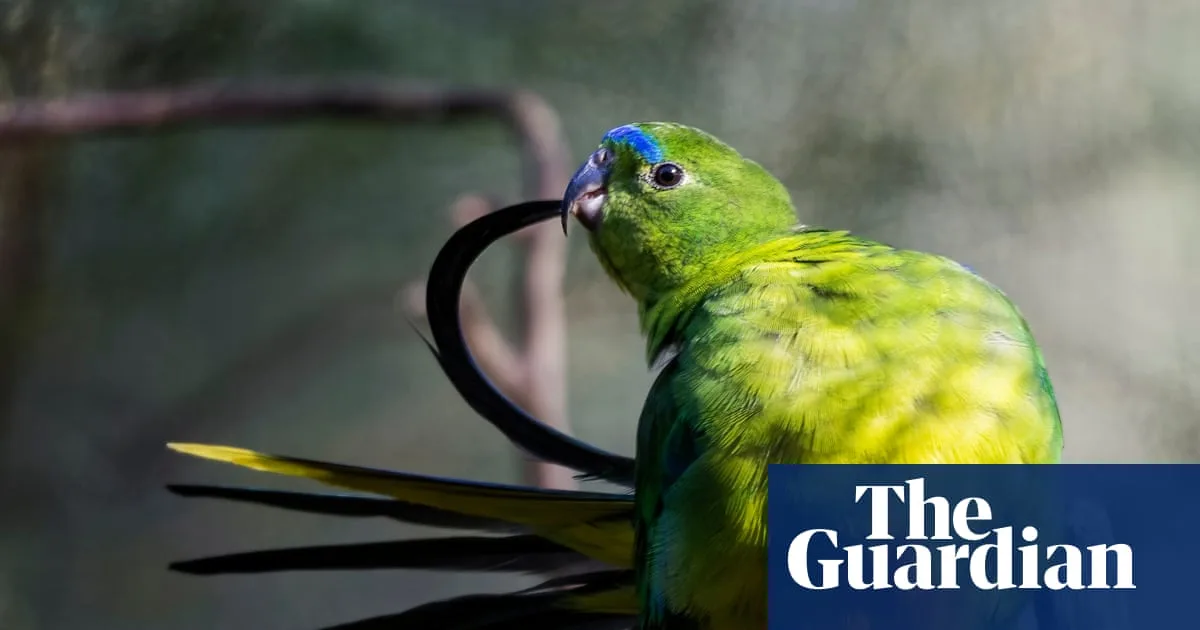
Australian authorities announced on August 11, 2026, a vaccination program targeting bird species especially vulnerable to the H5 avian influenza virus [1, 2, 3, 4, 5, 6]. The rollout prioritizes captive native birds, including endangered species like the orange-bellied parrot, regent honeyeater, and Western Australia's black cockatoo, particularly those in conservation breeding programs [1].
The H5 strain was first detected in Australia in June 2026 in a migratory sea bird, marking the continent's first confirmed case [2, 3, 4, 5, 6]. Following this, an outbreak on Heard and McDonald Islands caused the death of over 13,000 elephant seal pups the same month [2, 3, 4, 5, 6]. Between August 3 and August 10, Australian officials reported the first mass mortality event among wild birds caused by the virus [2, 3, 4, 5, 6].
As of August 10 or 11, 2026, authorities recorded 231 confirmed or suspected H5 bird flu cases across the country, though no cases have surfaced in poultry or agricultural production [2, 3, 4, 5, 6]. Julie Collins, Australian federal agriculture minister, said, "We’ve been very clear that we cannot stop the H5 bird flu from spreading among wild birds, but we can take action to protect the species most at risk. Vaccination is now part of that response" [1]. She also acknowledged, "This will continue to spread across the country" [2].
Vaccinating wild birds poses challenges as the vaccine requires two doses, demanding that birds be captured twice. Murray Watt, environment minister, explained, "It does take two vaccination doses to vaccinate birds, and it is difficult enough to catch wild birds once, let alone twice. [But] where it’s possible to vaccinate wild birds, we will do so" [1]. In a statement in Chinese, Watt added that while vaccinating wild birds is difficult, the primary focus remains on captive birds [6].
About half of Australia's wild bird species and 83% of its mammals are endemic, making species protection critical [2, 3, 4, 5, 6]. The vaccination program follows 18 months of successful trials testing poultry vaccines adapted for native birds [1]. The government aims to begin inoculating captive birds immediately and vaccinate wild birds where feasible, advancing efforts to curb the virus’s impact on Australia's unique wildlife [1].