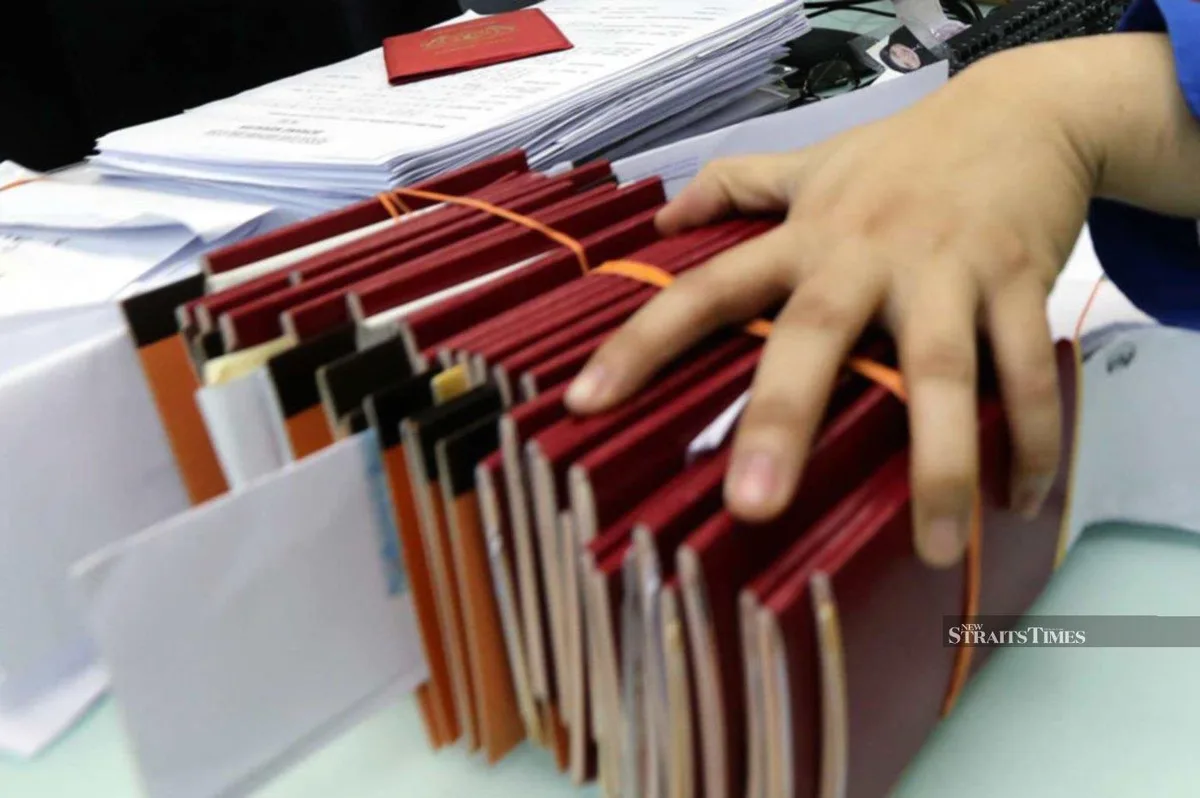
Australia raised its non-refundable international student visa application fee from A$2,000 to A$2,500 on July 3, 2026, a 25% increase for most international students [1, 2, 3, 4, 5, 6]. Students from ASEAN countries faced a much smaller rise of only A$50, making their fee A$2,050, as part of Australia's effort to strengthen ties with Southeast Asia [1, 2, 3, 4, 5, 6].
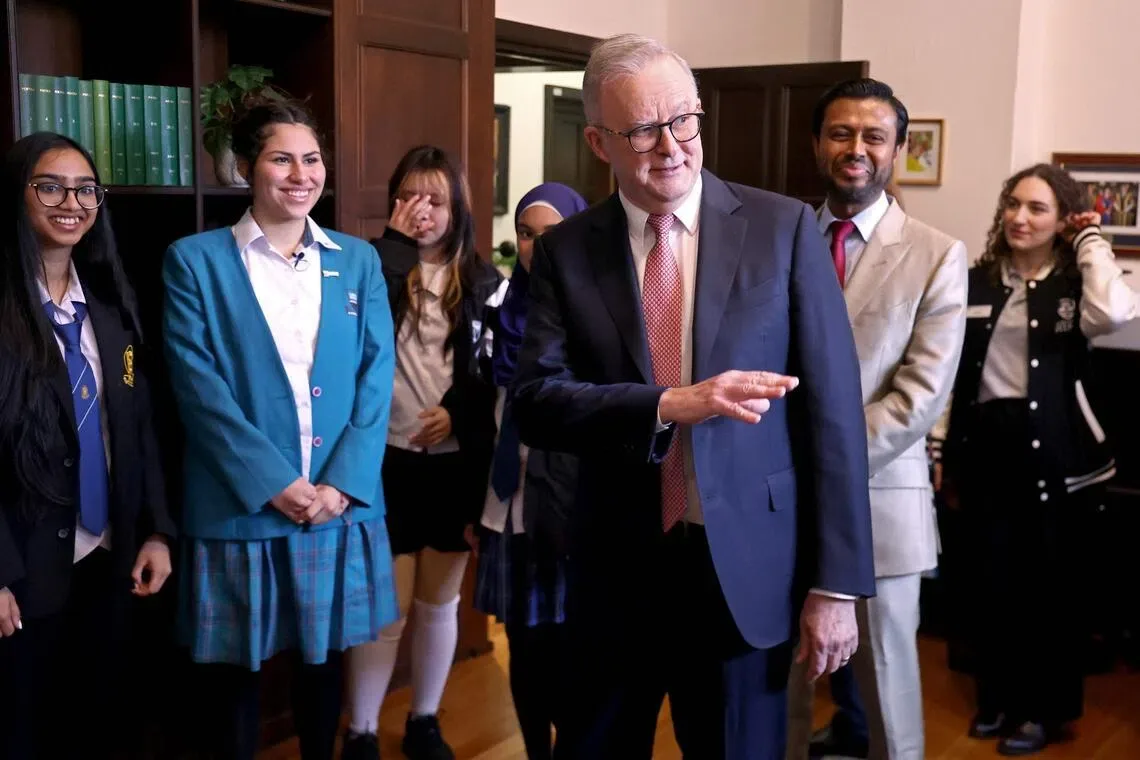
The exemption reflects Australia's commitment to welcoming quality students from the region. Assistant Minister for International Education Julian Hill said, "Australia and ASEAN nations share deep, abiding bonds and it’s important that our young people spend time... building lifelong bonds" [1]. Nicole Chong of AUG Student Services noted the hike for ASEAN students is just 2.5% and demonstrates government determination to maintain strong educational relationships with ASEAN [1].
Australia's international student visa fees remain the highest globally, far exceeding fees in the United States (US$535) and the United Kingdom (£558) [1, 2, 3, 4, 6]. The visa fee had previously risen from A$710 in July 2024 to A$1,600, then to A$2,000 in July 2025, as Australia managed post-pandemic migration pressures [1, 2, 3, 4, 5, 6].
Timor-Leste, which joined ASEAN in October 2025, continues to pay a significantly lower visa fee of A$745, part of Australia's outreach to Pacific nations [1, 2, 3, 4, 5, 6].
Australia hosts around 681,000 foreign students, including large populations from China (160,000), India (111,000), Nepal (61,000), Vietnam (31,000), and Singapore (6,000+) [6]. The country has been the top overseas study destination for Malaysians since 2022, with around 15,000 Malaysian students currently enrolled [1, 2, 3, 4, 6].
Despite the recent fees increases, applications from ASEAN students remain strong. Many students said the new fees would not deter their plans to study in Australia [1, 2, 3, 4, 6]. The international education sector is Australia’s fifth largest export, generating A$55 billion in revenue in 2025 [6].