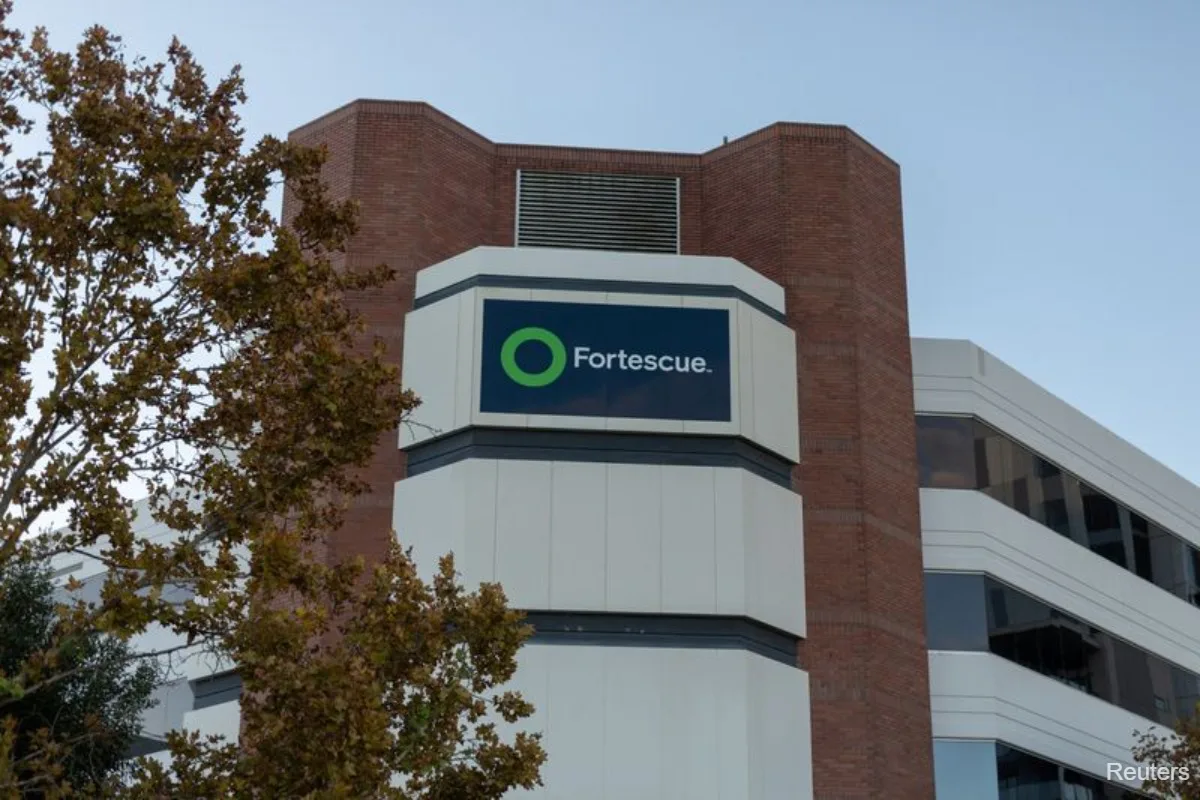
The Federal Court of Australia ordered Fortescue Metals Group to pay 150 million AUD in compensation to the Indigenous Yindjibarndi people for unauthorized mining activities on their traditional land in Western Australia's Pilbara region [1, 2]. This amount is the largest native title compensation payout in Australian history [1, 2].
The Yindjibarndi people have held native title recognition over their land spanning 2,700 square kilometres since 2017, with mining operations active since 2013 [2]. Fortescue operates multiple large open-pit mines, a railway, tailings dam, waste dumps, and stockpiles across more than 135 square kilometres within this area [1].
About 124 of 240 designated Indigenous heritage sites in the mining zone were completely destroyed or damaged by the operations [1]. The Yindjibarndi Ngurra Aboriginal Corporation had demanded over 800 million AUD for economic losses and 1 billion AUD for cultural losses related to the mining and damage to sacred sites [1]. Combined, this claim totals approximately 1.8 billion AUD, although sources differ slightly in the exact figure [1, 2]. Fortescue argued cultural compensation should not exceed 8 million AUD [1].
Fortescue’s mining ventures have generated tens of billions in revenue since production began in 2013 and are expected to continue until the mid-2040s [2]. A Fortescue spokesperson said, "Andrew Forrest and Fortescue care deeply about all First Nations people, including the Yindjibarndi community. Fortescue accepts that the Yindjibarndi People are entitled to compensation" [1].
Community elders, however, criticized the compensation as insufficient. One elder called the 150 million AUD "peanuts" compared to the billions generated by the company from mining on Yindjibarndi land [2].
Jamie Lowe, CEO of the National Native Title Council, said, "The Yindjibarndi People's perseverance is an inspiration to other Traditional Owners who continue to fight for what they are owed" [1].
The court ruling marks a significant moment in native title law, but debate continues over appropriate remuneration for Indigenous landowners. Fortescue maintains it works closely with Indigenous peoples in Pilbara to manage cultural heritage sustainably [1].