Bahasa Melayu and History will remain compulsory subjects for admission into public universities in Malaysia, the Higher Education Ministry confirmed on May 25, 2026 [1, 2, 3]. The cabinet approved new admission pathways the day before for students from non-national education streams, including international schools, tahfiz institutions, Arabic schools, and Chinese private schools, while maintaining the core requirement of passing Sijil Pelajaran Malaysia (SPM) for entry into core programmes [1, 2, 3].
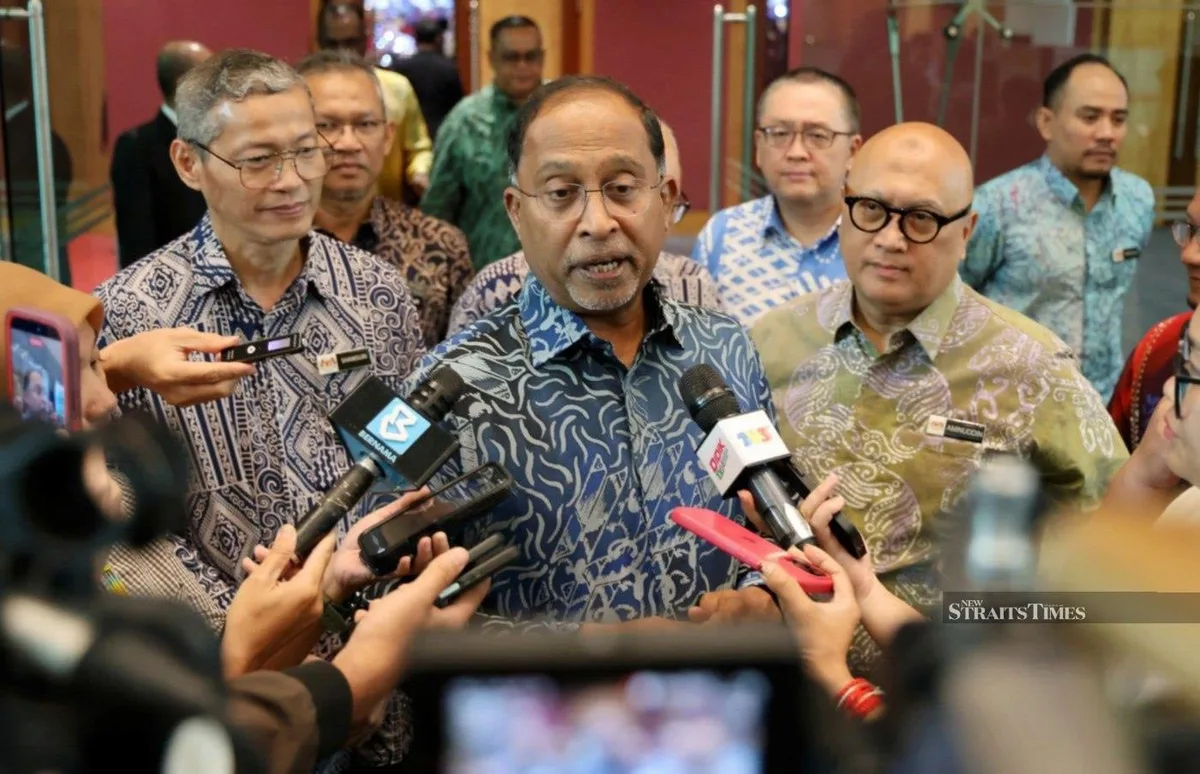
Higher Education Minister Datuk Seri Dr Zambry Abdul Kadir said, "Overall, the government has considered this pathway for certain courses. But the basis remains SPM. To enter university, SPM remains compulsory, regardless of the education stream. Unless there is a specific condition involving History and Bahasa Melayu recognised by the Malaysian Examinations Board for certain courses" [2].
Holders of the Unified Examination Certificate (UEC) may apply for select courses at public universities provided they pass Bahasa Melayu and History under standards set by the Malaysian Examinations Board and certified by the Education Ministry [2, 3]. The same standards apply to UEC students as to others from international or religious private schools, requiring proficiency in Bahasa Melayu and a solid understanding of Malaysian history [3].
Prime Minister Datuk Seri Anwar Ibrahim highlighted the policy ensures no special treatment for UEC holders, noting, "Now we already impose conditions on international schools, don’t we? Many Malay and Malaysian children study there. So we impose the same conditions on them and the same conditions on UEC students. Maahad tahfiz and Arabic schools previously taught their curriculum entirely in Arabic but did not place sufficient emphasis on Bahasa Melayu and History. We imposed the same requirements there. That is why we made this decision to provide a pathway for UEC students" [3].
He emphasized the importance of the national language and history to citizenship, saying, "Anyone who lives in Malaysia must master the national language properly. To become a Malaysian citizen, a person must understand our history, the Federal Constitution, the history of independence and the struggle against colonialism" [3].
The policy aims to widen access to public universities without compromising the national education system. It does not integrate other education systems but maintains national standards for admission [2]. Qualified UEC holders can apply beyond language-related fields, including professional and technical disciplines such as accountancy, subject to accreditation by universities and relevant professional bodies [3].
The government’s next step will be the implementation of these conditional pathways for the upcoming university admission cycle, ensuring students from various educational backgrounds meet the essential prerequisites in Bahasa Melayu and History.